
A pattern observed across thousands of LinkedIn accounts is that profile views don't follow from profile quality — they follow from post engagement velocity. Professionals who optimize their headline, add a polished banner, and post consistently still plateau at 5–15 views per week because they're treating profile views as the strategy, when they're actually the result. The real LinkedIn profile view strategy 2026 starts upstream: engineer early engagement on your posts, and the algorithm sends curious readers directly to your profile. Fix that one lever, and everything else compounds.
- Profile views are a downstream result of post engagement — not something you optimize directly
- LinkedIn's 2026 algorithm rewards engagement-to-reach ratio; 30 comments in the first hour beats 300 likes spread over three days
- Viewing other people's profiles intentionally is a low-effort tactic that generates real reciprocal views
- The fastest overlooked win: reaching out to profile viewers within 24 hours converts at far higher rates than cold outreach
- Aggressive automation tools risk account restrictions — community-based engagement tools are the safer, more effective alternative
- Most people get LinkedIn profile optimization wrong by leading with job titles instead of outcomes they deliver
- Why Nobody Is Viewing Your LinkedIn Profile
- The Real LinkedIn Profile View Strategy in 2026
- LinkedIn Profile Optimization for Leads
- Boosting Profile Views With Engagement Tools
- Frequently Asked Questions About LinkedIn Profile Views in 2026
Why Nobody Is Viewing Your LinkedIn Profile (And What's Actually Going On)
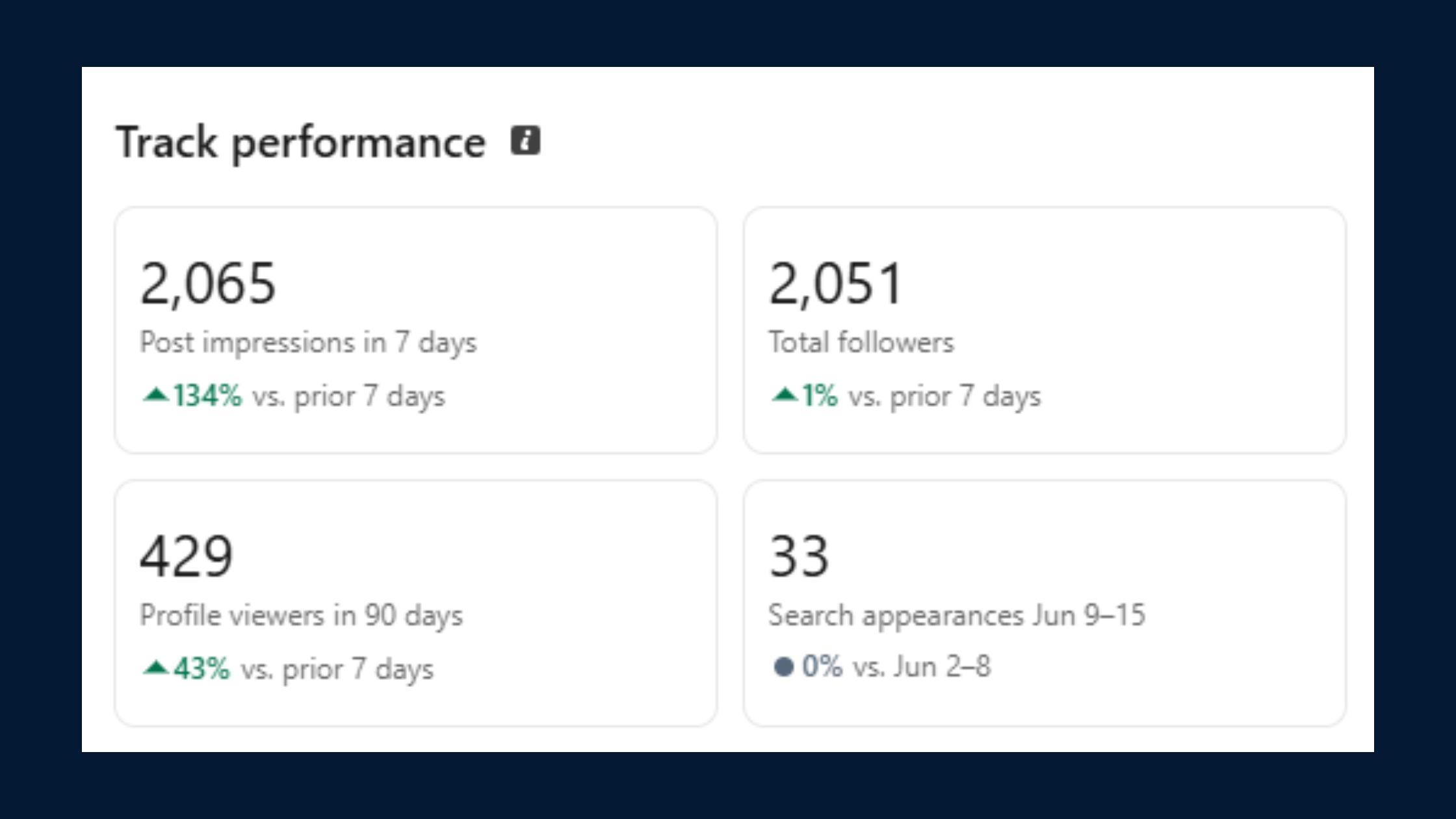
Most professionals hit a visibility wall — not because their profile is weak, but because LinkedIn's algorithm deprioritizes dormant accounts regardless of credentials. Profile views are a downstream signal. They follow post visibility, comment activity, and social proof momentum. Trying to fix a profile view problem by rewriting your headline is like fixing a slow website by changing its font.
Why People View Your Profile (And Why It Matters More Than You Think)
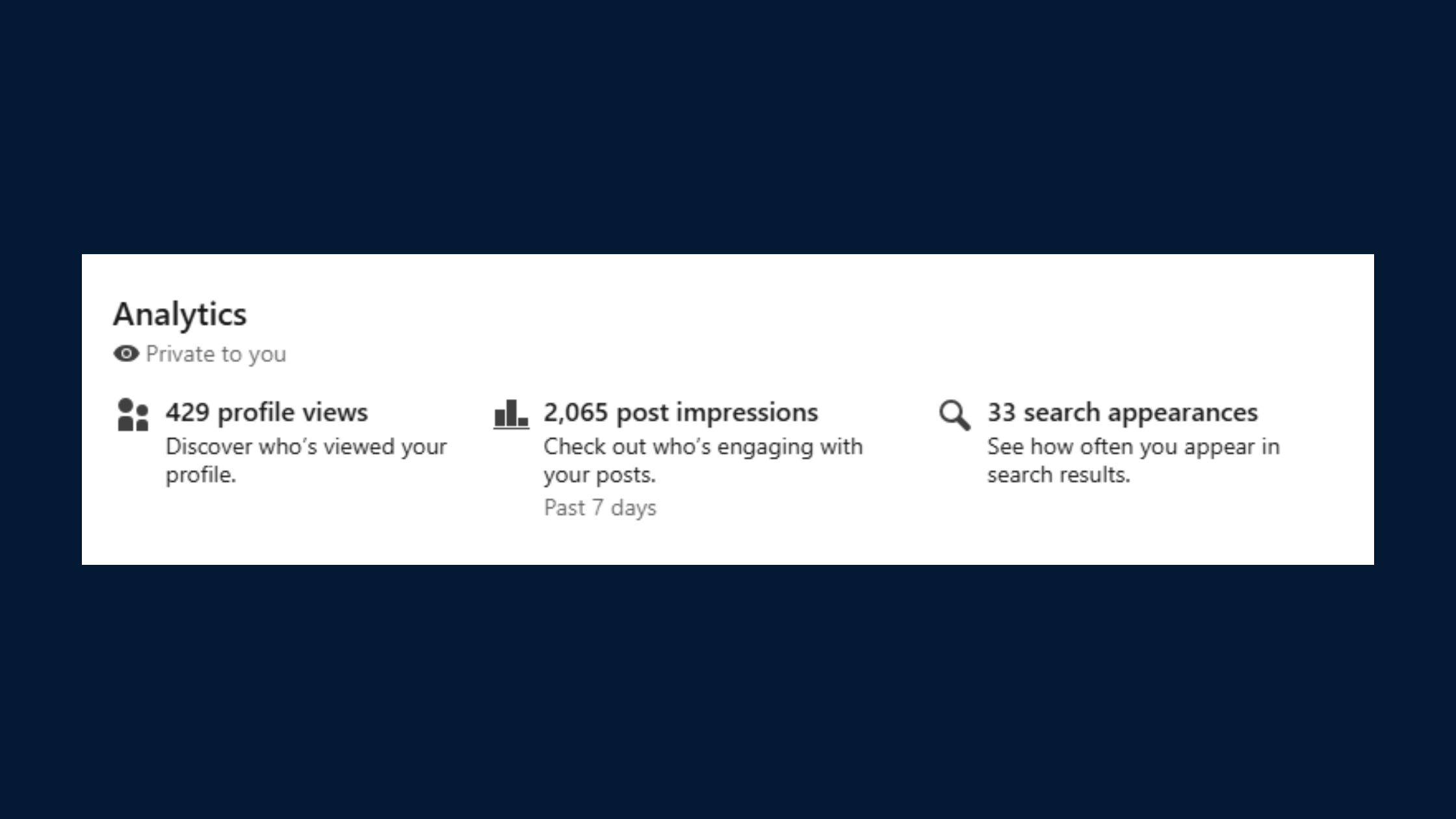
When someone views your profile, they've made a micro-decision of intent. They saw your post, your comment on someone else's post, or your name in a search — and clicked through to learn more. That intent makes them far warmer than any cold connection request you'll ever send. Understanding why people view your LinkedIn profile rewires how you approach the whole platform: it's not about being found, it's about being worth clicking on.
According to data cited across LinkedIn creator discussions, the increase in profile views after a viral post grew over two to three weeks, with the bulk arriving 9–10 days after the initial publish date. This tells you something important: profile view momentum is slow to build and slow to decay — which means consistent posting compounds far beyond what any single update can achieve.
The frustration of trying hashtags, rewriting your headline, and posting three times a week without traction is the most common pain point reported in LinkedIn creator communities. The missing piece is almost never content quality — it's the absence of early engagement that signals to LinkedIn's algorithm that the post is worth distributing further.
The Real LinkedIn Profile View Strategy in 2026: How Visibility Actually Works
The strategy most LinkedIn guides skip entirely: post engagement velocity is the primary driver of profile views. When a post receives likes and comments quickly after publishing, LinkedIn's distribution algorithm treats it as a signal of relevance and surfaces it to a wider audience. More reach means more curious readers clicking through to your profile. The post is the funnel — your profile is the landing page.
A post with 30 comments in the first hour reaches 10x more feeds than a post with 300 likes spread over three days. Early engagement is the algorithm's trust signal — not total engagement volume.
How to Appear in LinkedIn Profile Search Results in 2026
To appear in LinkedIn profile search results, your profile needs three things working together: a keyword-optimised headline that matches what your target audience searches for, recent activity signals (posts, comments, reactions from the past 30 days), and a healthy SSI score. The Social Selling Index (SSI) is LinkedIn's internal score (0–100) measuring how well you establish your brand, find the right people, engage with insights, and build relationships. A higher SSI directly correlates with your profile's ranking in "Who Viewed You" feeds and search results — making LinkedIn SSI score and profile visibility one of the most underappreciated levers available.
Does Viewing Other People's Profiles Actually Get You More Views?
Yes — and more consistently than most people expect. Does viewing LinkedIn profiles increase your own views? When you view someone's profile with a non-private setting, LinkedIn notifies them. A significant portion check who viewed them and visit your profile in return. The pattern observed across active users is that intentionally viewing 10–20 relevant profiles per day generates a steady reciprocal stream — not a flood, but a reliable drip of warm, targeted views from people in your exact niche. Combined with posting activity, it compounds quickly.
Understanding how visibility works is only half the equation — the other half is what happens when a viewer lands on your profile.
LinkedIn Profile Optimization for Leads: Turning Views Into Clients in 2026
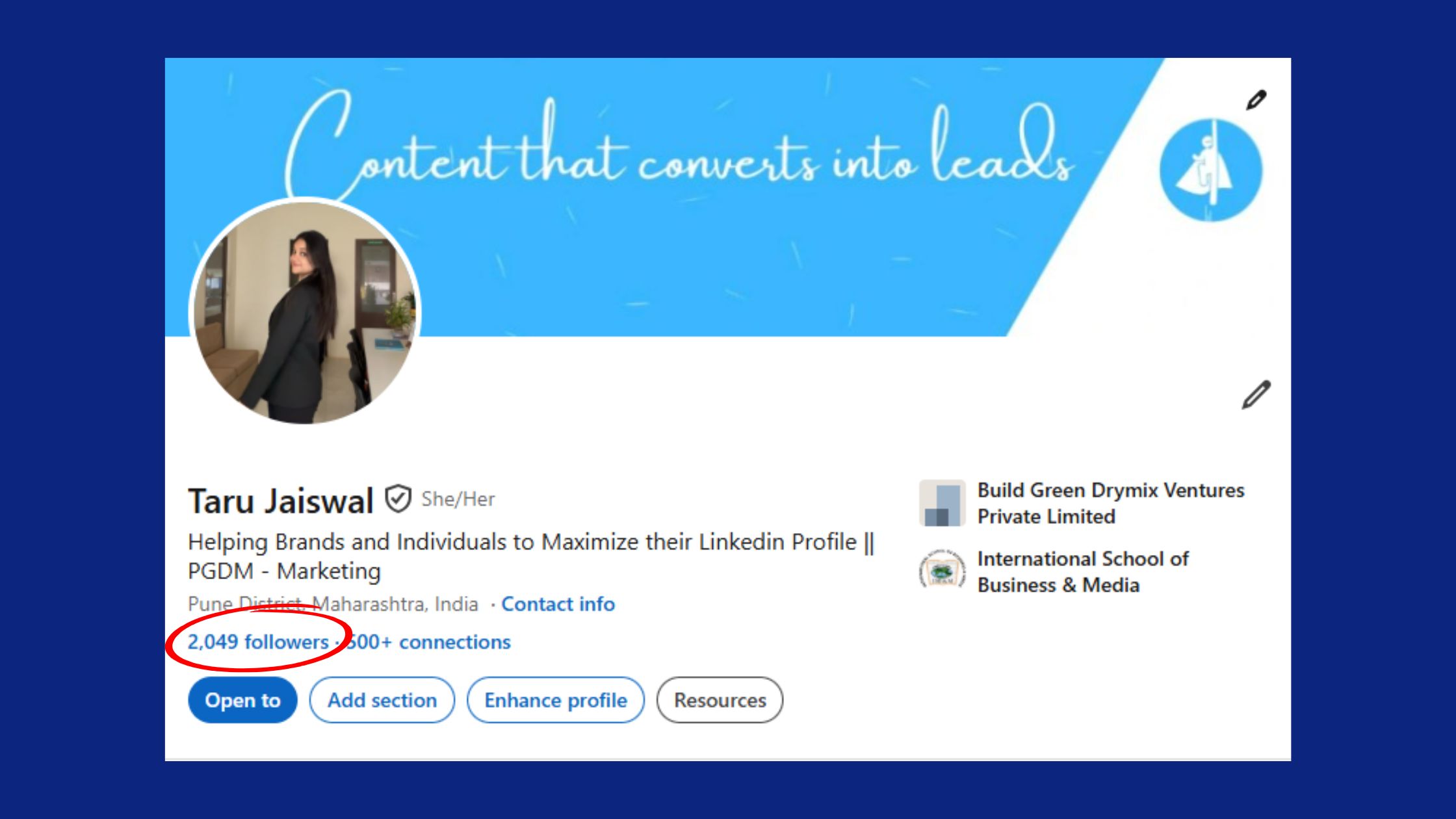
Every profile view that doesn't convert is a missed lead. The core principle of LinkedIn profile optimization for leads is this: your profile is not a resume — it's a landing page. Visitors decide within roughly 3 seconds whether to connect or leave, based on your banner image, headline, and the first line of your About section. Those three elements must work as a single, cohesive hook.
What separates top performers here is specificity. Instead of "Marketing Director at Acme Corp," the highest-converting headlines follow the format: "I help [specific audience] achieve [specific outcome] — [brief proof point]." This communicates value immediately and filters in your ideal viewer while filtering out everyone else.
LinkedIn Outreach Using Profile Views: A Simple Framework
Should you reach out after someone views your LinkedIn? Absolutely — and the data supports doing it fast. A message sent within 24 hours of a profile view converts at significantly higher rates than cold outreach because the intent signal is already there. They came to you first. Use this LinkedIn profile view notifications strategy as your daily lead-gen routine:
- Check your viewers daily — morning, before you post
- Segment by relevance — ICP match, warm lead, recruiter, or general curiosity
- Send a short, personalised note to ICP matches only — reference something specific from their profile, not the view itself
- Add a soft CTA — offer a resource, invite a conversation, or ask one relevant question
This is the core of how to use LinkedIn profile views to generate leads. It requires 10–15 minutes per day and consistently outperforms any cold outreach sequence because the first touch was theirs, not yours. For a deeper look at turning this into pipeline, see LinkedIn hacks that turn profile views into pipeline growth.
Boosting Profile Views With Engagement Tools: What Works, What to Avoid
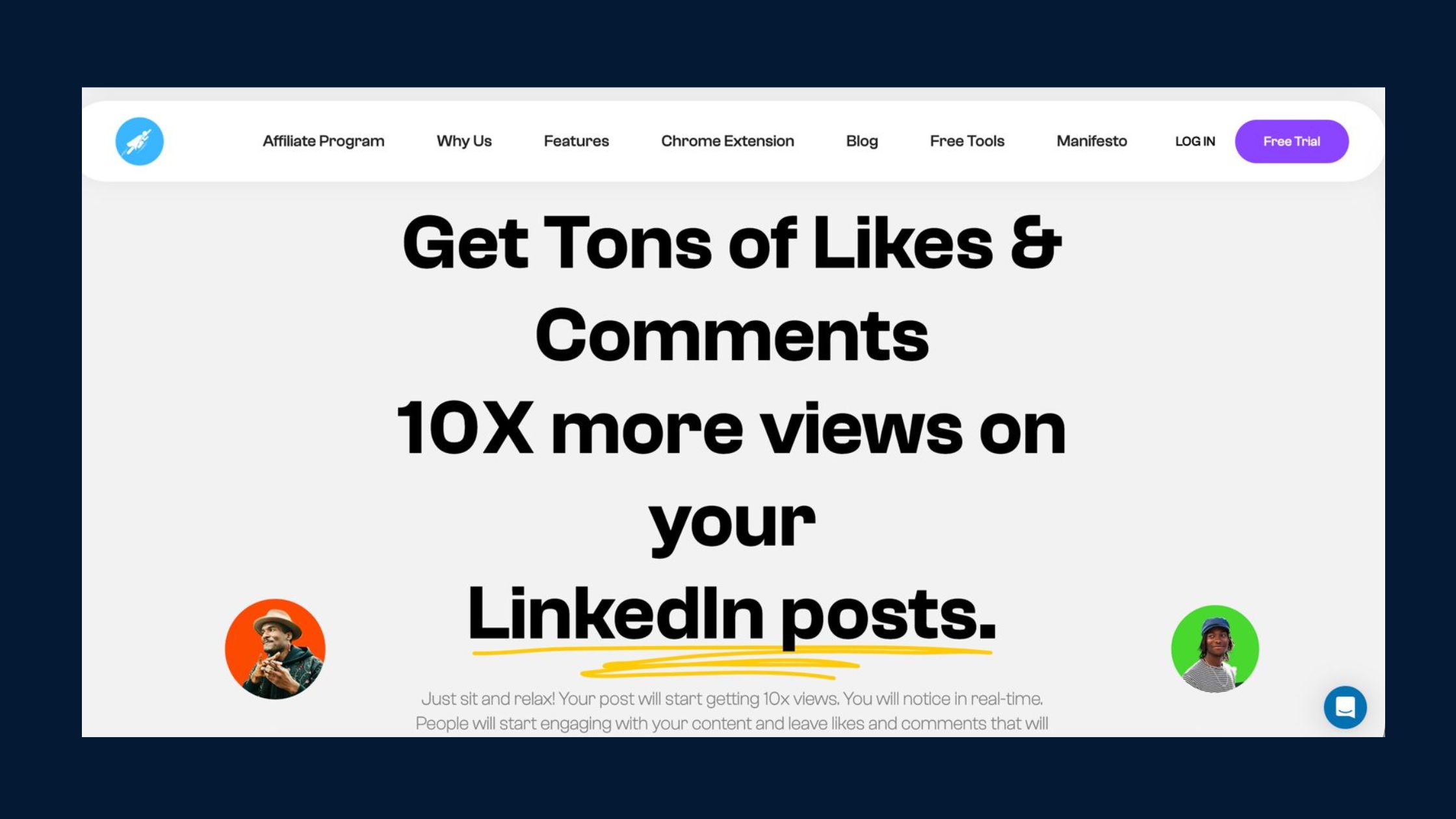
Roughly 7 in 10 posts on LinkedIn receive fewer than 5 engagements, according to patterns consistently observed across creator communities — which means the majority of content never gets the early velocity signal that triggers broader distribution. This is exactly where engagement tools come in.
Community-based platforms like HyperClapper work by connecting your post with real engagement groups called channels — each channel delivering approximately 50 genuine engagements from real users. That early social proof momentum is precisely what LinkedIn's algorithm reads as a signal to push your post further, which generates profile click-throughs from audiences who would never have seen you otherwise. According to a Podawaa case study (2026), three boosted LinkedIn posts drove 150+ profile visits in a single week without any increase in posting frequency.
✓ The LinkedIn Profile View Growth Checklist
- ☐Headline states who you help + outcome you deliver (not just job title)
- ☐Post 3–5x per week using formats with proven 2026 reach (documents, newsletters, native video)
- ☐Trigger early engagement on each post within the first 60 minutes of publishing
- ☐View 10–20 relevant profiles daily with a public (non-private) setting
- ☐Check profile viewers daily and reach out to ICP matches within 24 hours
- ☐Follow and post in 3–5 niche hashtags relevant to your exact audience
- ☐Check SSI score monthly and improve the lowest-scoring of its four pillars
Common Mistakes That Kill Your Profile View Growth
The most common failure mode is treating LinkedIn profile optimization as a one-time task. Creators who update their profile, post for two weeks, see minimal results, and then go quiet typically take 3–4 weeks of consistent activity to rebuild algorithmic momentum after going dormant — a painful cycle. Here are the best LinkedIn profile optimization tips 2026 for avoiding it:
- Using private browsing mode when viewing profiles — eliminates your single best reciprocal view tactic
- Posting at random times without regard for when your audience is active — LinkedIn's first-hour engagement window is unforgiving
- Over-relying on bot-based automation for profile views or connection requests — LinkedIn's detection has improved significantly in 2026, and restrictions are swift
- Ignoring the About section's first line — it's visible in preview cards across the platform and is read far more than the full section
For profiles targeting skill-based visibility, completing LinkedIn skill assessments is a consistently underused way to boost profile views — LinkedIn surfaces verified skill profiles more prominently in recruiter and peer searches.
Get the early engagement that drives real profile views
HyperClapper connects your posts with real engagement channels — generating the social proof momentum LinkedIn's algorithm rewards, without fake activity or bot risk.
Try HyperClapper FreeFrequently Asked Questions About LinkedIn Profile Views in 2026
Can I see who exactly viewed my profile on LinkedIn?
Free accounts see only the last 5 profile viewers, with older ones anonymised. LinkedIn Premium unlocks the full list of viewers from the past 90 days, including filters by company, job title, and how they found you. For active lead-gen use, Premium's viewer data is its most practically valuable feature — everything else is secondary.
What is the best strategy to get more profile views on LinkedIn in 2026?
The most effective approach is to drive early engagement on your posts within the first 60 minutes of publishing. High engagement velocity triggers LinkedIn's algorithm to distribute your post to a wider audience, who then click through to your profile. Post 3–5x per week, engage in comments daily, and view relevant profiles with a public setting to generate reciprocal traffic.
Can viewing other people's LinkedIn profiles help you get more views on your own?
Yes — when you view profiles with a non-private setting, LinkedIn notifies the person. A meaningful percentage check who viewed them and visit your profile in return. Viewing 10–20 targeted profiles daily creates a reliable stream of reciprocal views from people in your exact niche. It's one of the lowest-effort, highest-intent tactics available. See more detail at our full profile views guide.
How does the LinkedIn algorithm decide whose profile to show in "Who Viewed You"?
LinkedIn surfaces profiles to viewers based on shared connections, overlapping keywords, recent activity levels, and SSI score. A higher SSI pushes your profile into more "Who Viewed You" feeds. Recent post activity within 30 days is a key freshness signal — dormant profiles lose placement even when their credentials are strong.
What do most people get wrong about LinkedIn profile optimization?
Most people optimise their profile in isolation — rewriting their headline without creating the post engagement that sends visitors there in the first place. A profile is a destination, not a discovery mechanism. The error is treating it as the strategy when it's actually the conversion layer. Fix the upstream (posts, engagement, SSI) and profile views follow naturally. For a full breakdown, explore our common LinkedIn profile view questions answered.
Is LinkedIn Premium worth it for profile views and lead generation?
LinkedIn Premium is worth it specifically if you're actively using the "Who Viewed Your Profile" data for outreach. The ability to see your full 90-day viewer list with job title and company filters makes lead qualification significantly faster. It is not, however, a substitute for organic visibility — Premium shows you who visited; it doesn't send more visitors.
What does it mean when someone views your LinkedIn profile?
It means they've seen you somewhere on LinkedIn — a post, a comment, a search result — and wanted to know more. That intent makes them significantly warmer than a cold prospect. What happens when you view someone's LinkedIn profile is essentially a two-way intent signal: you're both evaluating relevance. Act on it within 24 hours for the best conversion rates.
Should I use automation tools to get more LinkedIn profile views?
Avoid bot-based tools that mass-view profiles or scrape connections — LinkedIn's detection systems flagged a sharp uptick in restrictions for this behaviour in 2026. Community-based engagement tools that boost post engagement (which drives organic profile clicks) are the safer and more effective alternative. Tools like HyperClapper operate on real engagement rather than artificial activity.
What consistently separates accounts with compounding profile view growth from those that plateau is not any single optimisation — it's the combination of post velocity, reciprocal viewing habits, and a profile that converts when visitors arrive. Accounts that get all three right see views, leads, and connections compound week over week. Accounts that fix only one typically stall within a month, wondering why the tactic stopped working.



