A pattern observed across teams migrating away from Interseller is that they aren't just replacing a tool — they're rethinking which channel actually drives their pipeline. Interseller alternative outreach automation is now one of the most searched topics in B2B sales tooling, and for good reason: Interseller was acquired by Greenhouse in 2021 and its roadmap shifted away from standalone sales outreach entirely. For LinkedIn-first growth strategies, HyperClapper fills the gap Interseller never covered — real community engagement, AI-powered replies, and post visibility that compounds over time, not just a one-off spike.
- Who this is for: Bootstrapped founders, sales teams, and marketers who used Interseller for outreach and need a LinkedIn-focused replacement in 2026.
- What you'll learn: What Interseller was, why it's no longer viable for sales teams, and which tools now cover each part of its former feature set.
- HyperClapper vs Interseller: These tools solve different problems — Interseller was email-first; HyperClapper is LinkedIn-native. For LinkedIn growth, HyperClapper has no direct equivalent.
- The honest recommendation: Pair HyperClapper for LinkedIn post visibility with Apollo or Lemlist for cold email sequences — no single tool replaces Interseller's full stack.
- Most counterintuitive finding: The biggest gap Interseller users face isn't email automation — it's LinkedIn reach. Most replacements miss this entirely.
- What Interseller Was — and Why It Left a Gap in 2026
- What HyperClapper Is and How It Works for LinkedIn Growth
- HyperClapper vs Interseller: Head-to-Head LinkedIn Feature Comparison
- Why Teams Are Switching from Interseller to HyperClapper
- Top Interseller Alternatives for LinkedIn Growth and B2B Outreach in 2026
- Risks, Limitations, and Common Mistakes to Avoid With LinkedIn Automation
- Frequently Asked Questions About Interseller Alternative Outreach Automation
What Interseller Was — and Why It Left a Gap in 2026
Interseller was a cold email sequencing and prospect enrichment tool built for small sales and recruiting teams — it found verified emails, automated multi-step follow-up sequences, and synced contacts to CRMs. It sat at the intersection of prospect list building and enrichment and sales engagement platform for small teams, which made it genuinely useful for bootstrapped teams that couldn't afford enterprise tools like Outreach.io.
According to Slicey Tools' Interseller Review (2026), Interseller finds candidate emails and automates outreach sequences, and has been owned by Greenhouse since 2021 — though with no public pricing and development attention redirected toward recruiting infrastructure. That last point is the core issue for sales teams: the product is effectively in maintenance mode for outbound sales use cases.
What Interseller Was Known For
Interseller's strongest capabilities were:
- Automated email sequences with reply detection and follow-up triggers
- Built-in email finder and verification for prospect enrichment
- CRM sync and contact management with HubSpot and Salesforce
- Recruiting-specific workflows that resonated with talent acquisition teams
What it never addressed was LinkedIn. Its outreach was channel-agnostic in name but email-first in practice — LinkedIn post visibility, comment engagement, and algorithmic reach were entirely outside its scope.
Interseller LinkedIn Outreach Limitations
Interseller LinkedIn outreach limitations are significant: the platform has no native LinkedIn post engagement features, no comment automation, no channel-based community boosting, and no LinkedIn-specific analytics. Teams that grew their LinkedIn audience alongside their email list found they were managing two completely separate workflows with no overlap.
The community pain point here is specific: bootstrapped founders and small sales teams now need an Interseller replacement that matches sequence automation depth on the email side while also handling LinkedIn visibility — and the two needs are pulling them toward different tools.
Now that the gap is clear, it helps to understand exactly what HyperClapper brings to the table — and why LinkedIn-first teams are landing here.
What HyperClapper Is and How It Works for LinkedIn Growth
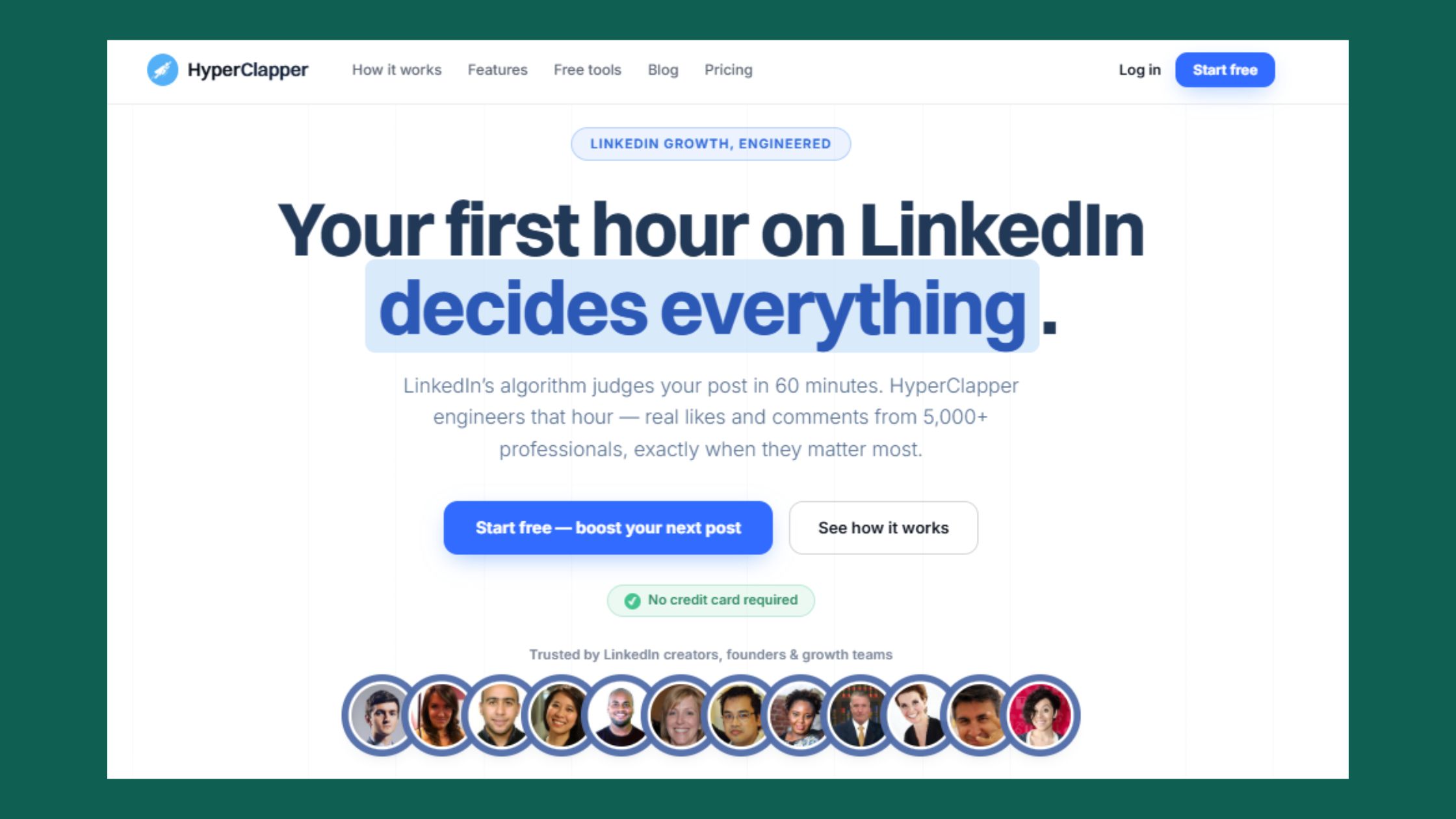
Teams that consistently grow on LinkedIn share one trait: their posts don't just get published — they get seen. HyperClapper is a HyperClapper LinkedIn automation tool built around that exact outcome: real community engagement, AI-powered replies, and post boosting that works with LinkedIn's algorithm rather than against it.
The mechanism is straightforward. A user submits a LinkedIn post and selects engagement channels — each channel is a group of roughly 50 real users who can like and comment on the post. Select three channels and you reach up to 150 genuine engagements from real people inside the platform. This is not bot traffic or fake activity — it's coordinated community support.
The difference between a post that reaches 500 people and one that reaches 5,000 is rarely the quality of the writing. It's whether the algorithm saw early engagement signals worth amplifying. That's the gap HyperClapper closes.
Core Features: Channels, AI Replies, and Company Page Boosting
HyperClapper's feature set is purpose-built for LinkedIn visibility:
- Post Boosting via Channels: Submit a post, pick channels, receive real likes and comments from the community. Scales from ~50 to ~150+ engagements per post.
- AI Replies: Generate and publish contextually relevant comments that keep the conversation active — LinkedIn rewards post depth, not just initial reactions.
- Feed More AI Replies: Extend a post's lifespan by adding fresh AI replies days after publishing, sustaining algorithmic momentum.
- Company Page Boosting and Replies: Boost from brand pages, not just personal profiles — useful for agencies and marketing teams managing multiple clients.
- Content Guard: Moderation layer that filters out politically sensitive or controversial content before it's submitted, reducing account risk.
- Analytics: Post-level performance data to track what's working and where to focus next.
How HyperClapper Improves LinkedIn Reach
How does HyperClapper improve LinkedIn reach? It works by triggering LinkedIn's early engagement signals — the likes, comments, and reply depth that the algorithm interprets as signals of quality content worth distributing further. Data from LinkedIn engagement research shows content with active engagement receives 2.4x more views than equivalent posts without it. In practice, a post that would organically reach 300 connections can reach well into the thousands when early engagement signals are strong.
What separates top-performing LinkedIn accounts from those stuck at flat reach is not posting frequency alone — it's the combination of post quality and early engagement density. HyperClapper addresses the second half of that equation directly.
HyperClapper vs Interseller: Head-to-Head LinkedIn Feature Comparison
Side-by-side, these tools solve fundamentally different problems. The table below makes that distinction concrete — and helps teams understand what they're actually replacing.
| Feature | HyperClapper | Interseller |
|---|---|---|
| LinkedIn Post Boosting | ✅ Core feature | ❌ Not available |
| AI Reply Generation | ✅ Native + Feed More | ❌ Not available |
| Community Engagement Channels | ✅ Real users, ~50/channel | ❌ Not available |
| Company Page Support | ✅ Boost + replies | ❌ Not available |
| Content Moderation / Safety | ✅ Content Guard | ❌ Not available |
| Cold Email Sequences | ❌ Not in scope | ✅ Core feature |
| Email Finder / Enrichment | ❌ Not in scope | ✅ Built-in |
| CRM Sync | ❌ Not in scope | ✅ HubSpot / Salesforce |
| Active Development (2026) | ✅ Actively maintained | ⚠️ Maintenance mode |
| LinkedIn-Specific Analytics | ✅ Post-level insights | ❌ Not available |
What features make a LinkedIn automation tool effective in 2026 comes down to four criteria: real user engagement (not bots), algorithm-aligned comment depth, content safety controls, and post-level analytics. HyperClapper checks every box. Interseller was built for none of them.
HyperClapper Pricing vs Interseller Cost
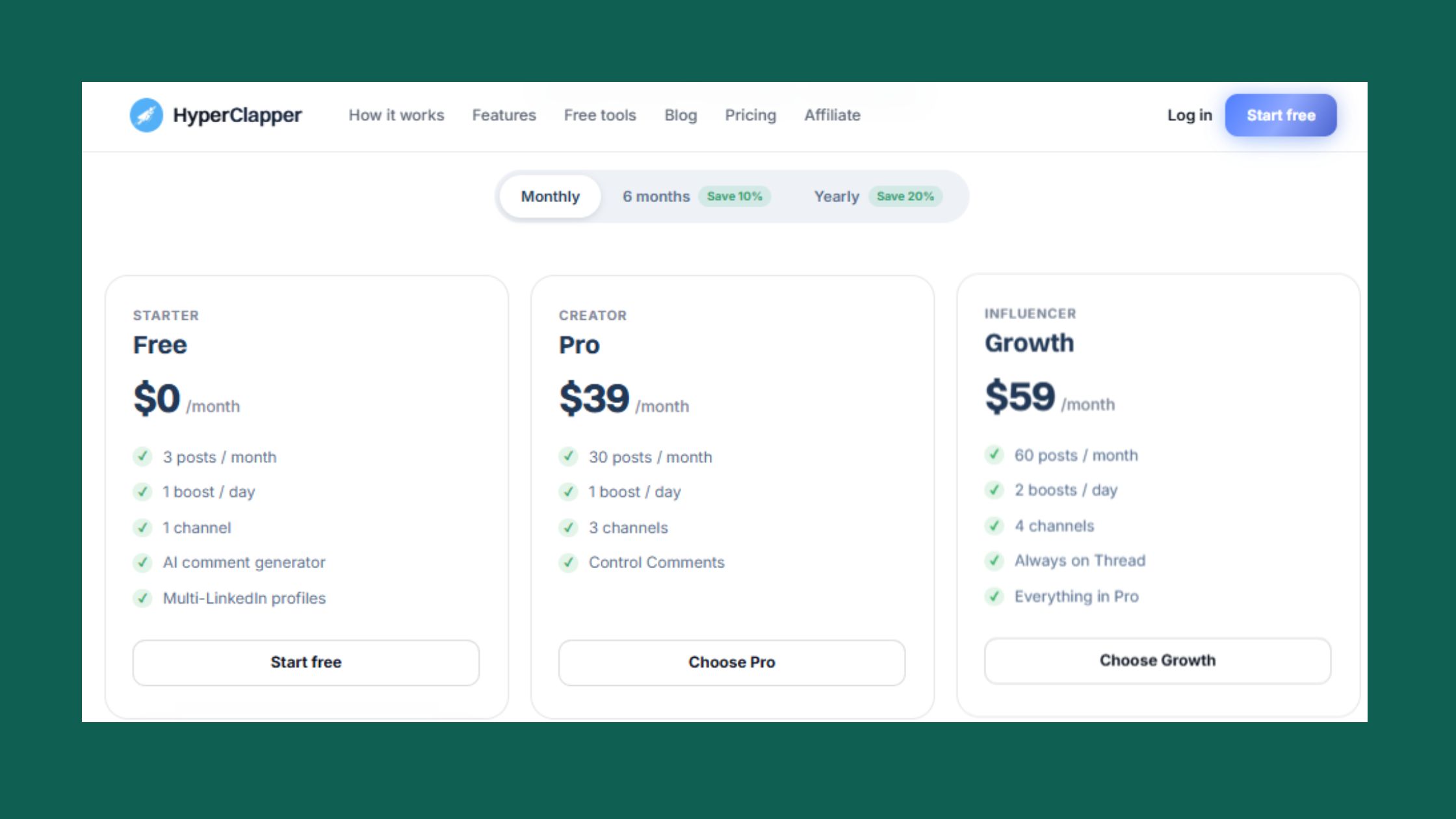
HyperClapper pricing vs Interseller cost is a clear differentiator. Interseller operated with no public pricing — teams were quoted enterprise rates that typically excluded small or bootstrapped operations. HyperClapper's channel-based model scales with actual usage, making it accessible for solo founders and small teams without forcing a sales call or a contract. For budget-conscious teams, that difference alone removes a significant barrier.
The channel structure matters beyond pricing — it makes LinkedIn growth predictable and measurable in a way Interseller's email-first model never could for social reach.
Why Teams Are Switching from Interseller to HyperClapper
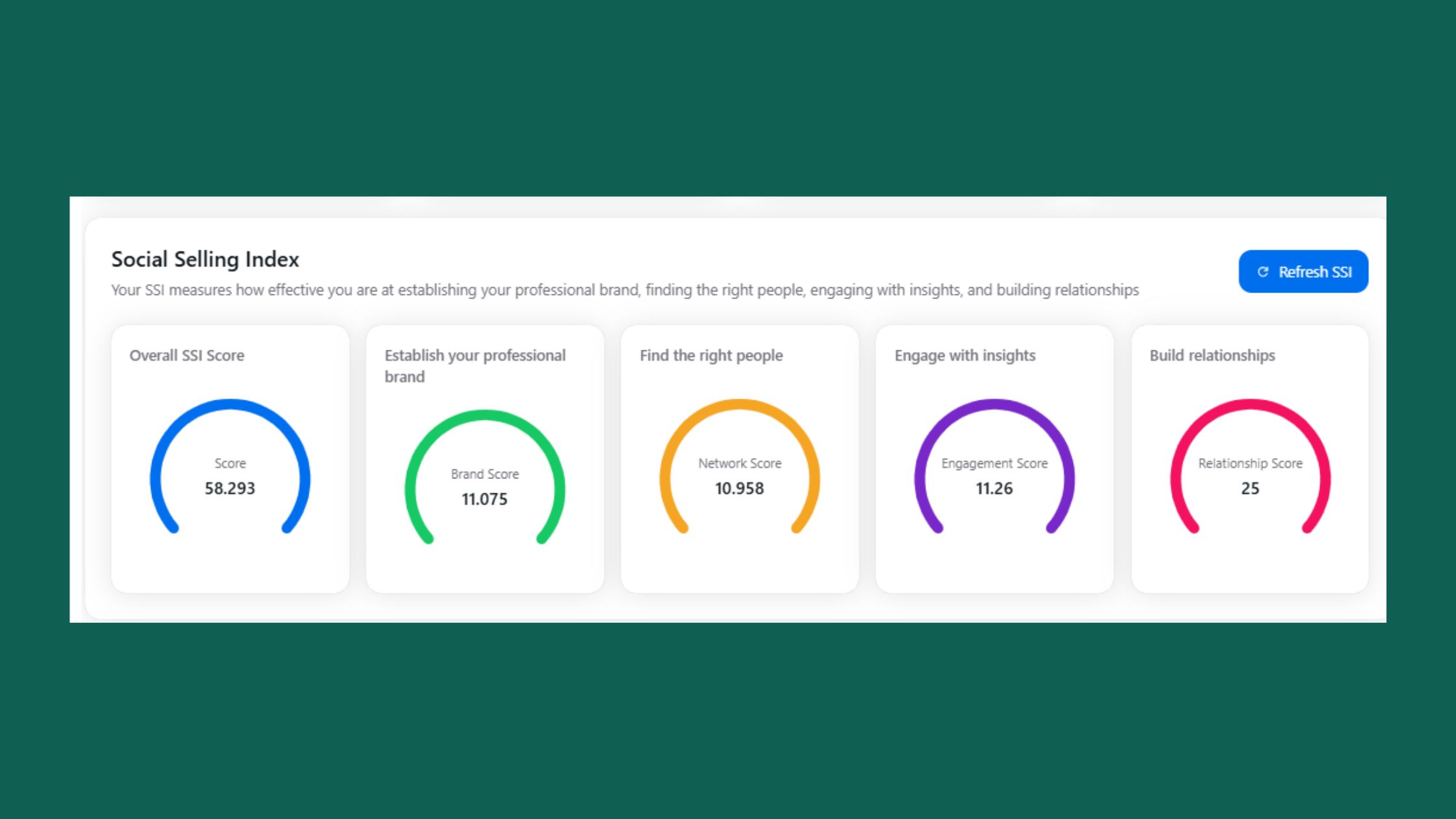
The most common migration trigger isn't frustration with Interseller's interface — it's the realisation that LinkedIn posts aren't converting an existing audience into pipeline. A recurring pattern among founders trying to grow through LinkedIn is that they have solid content and a relevant audience, but post reach keeps plateauing below what the follower count should theoretically deliver.
Why switch from Interseller to HyperClapper is less about feature parity and more about channel strategy. The Greenhouse acquisition effectively ended Interseller as an independently evolving sales product. Teams that still need cold email sequence automation are already looking at Apollo or Lemlist. But the LinkedIn visibility gap — low organic reach despite quality posts — is the problem HyperClapper was designed to solve.
Migrating from Interseller: What to Do With Your Contacts and Campaigns
For teams mid-migration, the priority order is:
- Export all contact data immediately — CSV exports from Interseller's contact database, including enriched fields, before access is restricted or the platform is deprecated further.
- Document active sequences — screenshot or export the step-by-step logic of any running email sequences so you can replicate them in Apollo, Lemlist, or Instantly.
- Identify your LinkedIn contacts — segment any Interseller contacts who are also LinkedIn connections; these become your first HyperClapper audience, since you're not starting from zero.
- Separate your channels: Route cold email automation to a dedicated email tool; route LinkedIn post visibility to HyperClapper. Trying to find one tool that does both leads to compromising on both.
Creators who skip the data export step typically find themselves rebuilding prospect lists from scratch — a painful process that delays the full stack switch by weeks.
Start Growing on LinkedIn Without the Plateau
HyperClapper's channel-based engagement system puts your posts in front of real users — no bots, no risk, no guesswork.
Try HyperClapper FreeTop Interseller Alternatives for LinkedIn Growth and B2B Outreach in 2026
No single tool replaces Interseller's full feature set honestly. The right answer is a two-tool stack: one for email outreach automation, one for LinkedIn visibility. Here's how the leading options break down.
| Tool | Best For | Replaces Interseller? | LinkedIn Post Engagement |
|---|---|---|---|
| HyperClapper | LinkedIn post visibility, community engagement | Partial — LinkedIn only | ✅ Native, real users |
| Apollo.io | Prospect enrichment, email sequences, CRM sync | Strong — email/data side | ❌ Limited |
| Lemlist | Cold email + multi-channel sequences, deliverability | Partial — email-first | ❌ Not meaningful |
| Instantly | High-volume cold email, inbox rotation | Partial — email volume focus | ❌ Not available |
| SalesRobot | LinkedIn connection + message automation | Partial — connection outreach | ⚠️ Connection-focused, not post engagement |
According to Haus Advisors' AI Outreach Statistics (2026), AI usage among sales reps rose 79% year-over-year — from 24% in 2023 to 43% — and the average cold email response rate sits at 5.1%. In practice, that means even a well-optimised cold email sequence reaches fewer than 1 in 20 recipients. LinkedIn engagement that builds authority and visibility alongside email outreach isn't a luxury — it's what makes the email follow-up land with warmer context.
According to SyncGTM's analysis of cold outreach tools (2026), 68% of B2B sales teams plan to consolidate their outreach tools this year. This means the winning stack in 2026 is tighter, not broader — one strong email tool, one strong LinkedIn tool, and nothing redundant between them.
Best LinkedIn Engagement Automation Software for Sales Prospecting
For teams evaluating best LinkedIn engagement automation software specifically for LinkedIn growth tool for sales prospecting use cases, the shortlist narrows quickly. SalesRobot focuses on connection request automation — useful for expanding a network, but it doesn't amplify posts already published. Tools like Waalaxy and Expandi also sit in the connection and message automation space. See the Waalaxy alternatives breakdown for a deeper look at that category.
HyperClapper is the only tool in this comparison built specifically around automate LinkedIn profile engagement at the post level — not connection requests, not messages, but the visibility signals that determine how far a post travels through LinkedIn's feed.
For a full cost breakdown across the LinkedIn tool landscape, the comprehensive LinkedIn growth cost comparison covers pricing across the major tools in detail.
Risks, Limitations, and Common Mistakes to Avoid With LinkedIn Automation
Teams that see the best results from LinkedIn automation share a specific discipline: they treat engagement tools as amplifiers, not shortcuts. The most common failure mode is submitting low-quality posts to maximum channels and expecting the algorithm to reward volume — it doesn't. LinkedIn's distribution model rewards content that sustains genuine conversation, and no tool overrides that underlying logic.
Frequently Asked Questions About Interseller Alternative Outreach Automation
What is Interseller?
Interseller was a cold email sequencing and prospect enrichment tool for small sales and recruiting teams. It automated multi-step follow-up sequences, found verified emails, and synced contacts to HubSpot and Salesforce. Greenhouse acquired it in 2021 and its roadmap has since shifted toward recruiting infrastructure, leaving it in maintenance mode for sales outreach.
Can Interseller automate outreach?
Interseller can automate email outreach sequences with reply detection and follow-up triggers, but it has no LinkedIn automation capabilities. Its email sequencing still functions, but the platform is no longer actively developed for sales use cases, making it a risky long-term choice for outbound sales teams in 2026.
What are Interseller alternatives?
The strongest Interseller alternatives depend on your channel priority. For cold email sequences, Apollo and Lemlist cover enrichment and automation. For LinkedIn growth specifically, HyperClapper is the purpose-built option — it handles post visibility and community engagement that Interseller never addressed. Most teams end up pairing one email tool with HyperClapper.
Which is better for LinkedIn growth, HyperClapper or Interseller?
HyperClapper is the clear choice for LinkedIn growth. Interseller has no native LinkedIn features — no post boosting, no comment engagement, no LinkedIn analytics. HyperClapper is built entirely around LinkedIn visibility, using real community channels and AI-powered replies to drive the early engagement signals that expand algorithmic reach.
What are the main differences between HyperClapper and Interseller?
Interseller is an email-first prospecting tool with sequence automation and CRM sync. HyperClapper is a LinkedIn-native engagement platform focused on post visibility and community boosting. They solve different problems: Interseller targets cold email pipeline, while HyperClapper targets LinkedIn reach and the algorithmic amplification that compounds over time.
How does HyperClapper outperform Interseller for LinkedIn engagement?
HyperClapper outperforms Interseller on LinkedIn because Interseller simply has no LinkedIn engagement features. HyperClapper's channel system connects a post to groups of roughly 50 real users who like and comment, generating the early engagement signals LinkedIn's algorithm rewards with broader distribution — something Interseller was never designed to do.
Can HyperClapper replace Interseller for LinkedIn sales outreach?
HyperClapper replaces Interseller's LinkedIn gap completely but not its cold email functionality. For a full replacement, pair HyperClapper for LinkedIn post visibility and inbound-pull with Apollo or Lemlist for email sequences. Together they cover everything Interseller did — and add the LinkedIn reach Interseller never offered.
Is Interseller still worth using for LinkedIn outreach in 2024?
No — Interseller has never supported LinkedIn outreach natively and is no longer actively developed for sales use cases following the Greenhouse acquisition. Teams relying on it for LinkedIn visibility are managing a gap the tool was never built to fill. Exporting your contact data and migrating to a maintained platform is the practical move.