
A pattern observed consistently across outreach tool comparisons is that most teams choosing between lemlist alternatives cold outreach options are actually solving two completely different problems — and picking the wrong tool for the wrong problem. Lemlist is a multichannel cold email sequencer with LinkedIn as a bolt-on. HyperClapper is a LinkedIn engagement platform where real community members amplify your posts through structured channels. If your primary goal is LinkedIn visibility, post reach, and real engagement, you are almost certainly overpaying for Lemlist's email infrastructure you will barely use. This breakdown gives you the frank, scenario-based comparison that most articles skip.
- HyperClapper wins on LinkedIn engagement and price — Lemlist wins on email-heavy multichannel sequences.
- Lemlist's multichannel plans start at $99/month per seat and climb fast for agencies — a common cancellation trigger found in G2 and Capterra reviews.
- HyperClapper uses real community channels (each ≈ 50 engagements) plus AI replies — no scraping, no fake activity, no inbox placement complexity.
- Most counterintuitive finding: teams paying for Lemlist's LinkedIn steps typically generate most of their pipeline from email — meaning they're funding an entire email deliverability stack to add a few LinkedIn touches they could get far cheaper elsewhere.
- For solo creators, coaches, agencies managing client LinkedIn pages, and founders building personal brands, HyperClapper delivers comparable LinkedIn output at a fraction of the cost.
- For SDR teams where cold email is the core revenue motion, Lemlist's deliverability infrastructure and CRM integrations remain a genuine advantage.
- Lemlist: What It Is, What It Costs, and Why Users Leave
- What HyperClapper Does and How It Works
- Head-to-Head Feature Comparison: HyperClapper vs Lemlist in 2026
- Can HyperClapper Replace Lemlist? A Scenario-Based Answer
- Best Lemlist Alternatives in 2026 — The Broader Landscape
- LinkedIn Engagement Automation: Benefits, Risks, and How to Do It Right
- The Verdict: Which Tool Wins for Your Situation in 2026
- Frequently Asked Questions About HyperClapper vs Lemlist
Lemlist: What It Is, What It Costs, and Why Users Leave
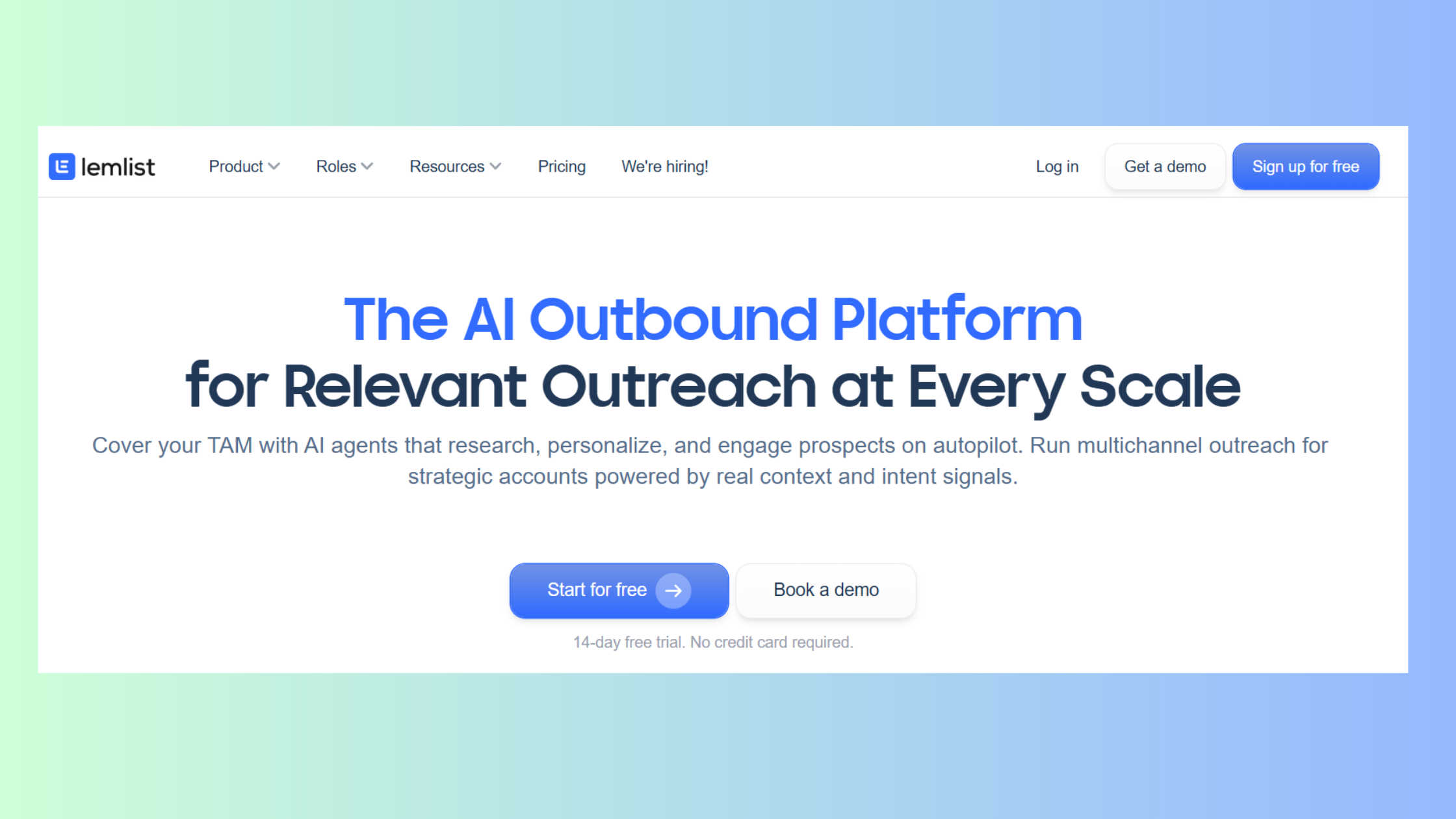
Lemlist is a multichannel cold outreach platform — meaning it chains together email sequences, LinkedIn touchpoints, and basic call tasks into a single automated workflow. That architecture is genuinely powerful for outbound sales teams running high-volume prospecting. The friction shows up almost entirely in the pricing model, especially the moment a small team or agency tries to scale beyond a single seat.
Lemlist's Key Features Broken Down
Lemlist's core value sits in three areas:
- Multi-inbox cold email sequencing — automated email sequences with per-contact personalisation including dynamic images, video thumbnails, and liquid syntax variables
- LinkedIn steps inside sequences — connection requests, messages, and profile visits embedded in the same workflow as email steps
- Sender reputation warm-up protocols — Lemlist's built-in email warm-up tool (lemwarm) gradually increases sending volume to protect inbox placement and deliverability
- Outbound sales stack integration — native connectors to HubSpot, Salesforce, Pipedrive, and Zapier for CRM sync
- Personalisation at scale automation — dynamic content blocks that auto-populate prospect-specific details across thousands of emails
These features are well-built. The complaints are rarely about capability — they're about cost relative to how much of the stack actually gets used.
Lemlist's Risks and Limitations to Know Before Buying
How much does Lemlist cost per month in 2026? The plan structure looks like this:
- Email Starter: ~$39/month per seat — email only, limited sending, no LinkedIn automation
- Email Pro: ~$69/month per seat — full email sequencing, warm-up included
- Multichannel Expert: ~$99/month per seat — adds LinkedIn and call steps
- Enterprise: custom pricing — dedicated support, advanced compliance, volume limits unlocked
The sting for agencies is the per-seat model. Managing five client inboxes from one dashboard means five seats — that's $495/month at the Multichannel Expert tier before a single campaign launches. A recurring pattern among agency operators reviewing Lemlist on G2 and Capterra is exactly this: they love the product's output, then cancel when the per-seat bill arrives for client three or four.
Is Lemlist worth the price? Honestly: yes for teams where email deliverability infrastructure is the business-critical variable, and no for teams paying Multichannel Expert rates primarily to add a few LinkedIn touches to an otherwise email-driven sequence. The email deliverability architecture is a genuine differentiator — but you shouldn't pay for an engine you're not driving.
That pricing ceiling is where the search for a Lemlist alternative cheaper than the multichannel tier consistently begins — and it's where HyperClapper enters the picture for LinkedIn-first users.
What HyperClapper Does and How It Works
HyperClapper is a LinkedIn engagement platform — a tool built specifically to increase the reach, visibility, and social proof of LinkedIn posts through real community engagement, not cold outreach sequences. The distinction matters: where Lemlist pushes messages into inboxes, HyperClapper pulls attention to your content through algorithmic amplification.
The mechanism is straightforward. Users submit a LinkedIn post to the platform, select one or more channels — each channel is a group of real platform members who engage with posts — and receive genuine likes and comments from relevant users. One channel delivers approximately 50 possible engagements. Three channels get you to roughly 150. That engagement triggers LinkedIn's distribution algorithm to show the post to a wider organic audience, compounding the initial boost.
HyperClapper Pricing Plans — How It Compares on Cost
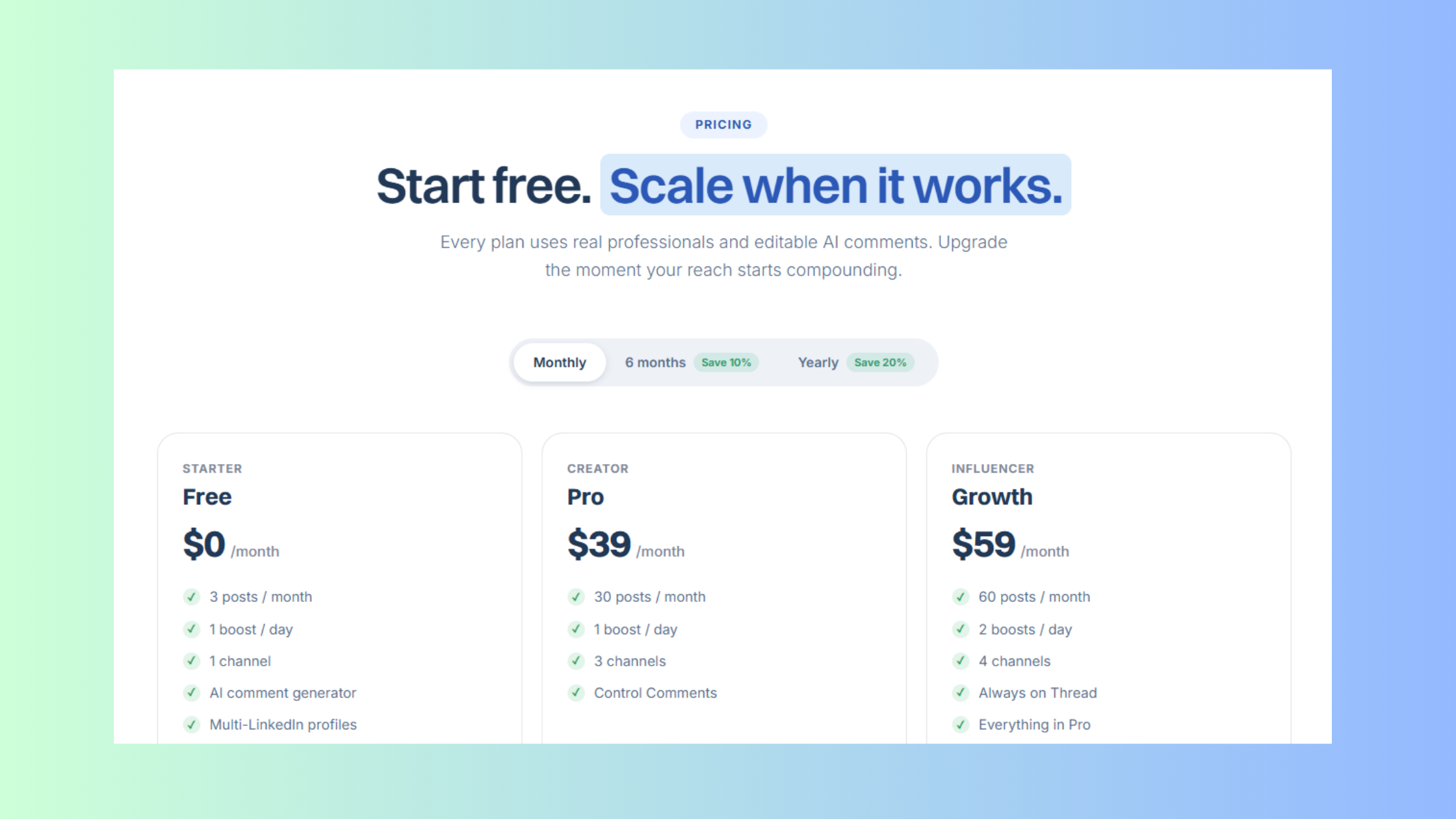
HyperClapper's pricing is structured to stay accessible for solo founders and small teams — the users who are most often priced out of Lemlist's higher tiers. HyperClapper pricing plans are publicly available at hyperclapper.com, and the cost delta compared to Lemlist's Multichannel Expert tier is significant enough that the savings alone can fund months of LinkedIn content production. For the most current plan details, check the pricing page directly — but the positioning is consistently more accessible than comparable multichannel outreach tools.
HyperClapper's Safety and Content Guard System
Content Guard is HyperClapper's built-in moderation layer — a filtering system that screens posts before they enter the engagement network to block content involving politics, violence, hate speech, or sensitive global events. This matters for two reasons. First, it protects the community's credibility by preventing the platform from being used to amplify divisive or risky content. Second, it reduces the risk of brand-damaging engagement appearing on a client's post — a real concern for agencies managing multiple accounts.
The platform also uses real community members rather than bot accounts, with no profile scraping. This architecture is meaningfully different from tools that simulate engagement through automated accounts, and it's the core reason HyperClapper LinkedIn automation features carry a lower LinkedIn risk profile than scraping-based alternatives.
Understanding the safety model is useful context — but the real question for most buyers is how the two tools stack up feature-by-feature at the same price point.
Head-to-Head Feature Comparison: HyperClapper vs Lemlist in 2026
The cold outreach tool comparison 2025–2026 conversation typically lumps LinkedIn engagement tools and cold email sequencers into one category, which produces misleading rankings. The table below separates the two clearly.
| Attribute | HyperClapper | Lemlist |
|---|---|---|
| Primary Channel | Email + LinkedIn + Calls | |
| Engagement Model | Real community channels (≈50 engagements per channel) | Automated outbound sequences to prospect lists |
| AI Features | AI Replies + Feed More AI Replies for post longevity | AI email personalisation, subject line generation |
| Company Page Support | Yes — post boosting and replies from company pages | No native company page engagement |
| Email Deliverability Infrastructure | Not applicable (no cold email module) | Strong — lemwarm, multi-inbox, sender reputation tools |
| Content Moderation | Content Guard — filters sensitive/risky topics | No equivalent moderation layer |
| CRM Integrations | LinkedIn-native workflows (no CRM pipeline focus) | HubSpot, Salesforce, Pipedrive, Zapier |
| Profile Scraping | None — no scraping architecture | Prospect data import via CSV or prospecting module |
| Best For | LinkedIn creators, agencies, founders, personal brands | SDR teams, email-heavy outbound, sales stack users |
| Starting Price | Lower — see hyperclapper.com for current plans | ~$39/seat/month (Email Starter) to ~$99/seat/month (Multichannel) |
On the deliverability angle: email deliverability infrastructure — the systems that determine whether a cold email lands in inbox or spam — is where Lemlist genuinely earns its price tag for email-first teams. According to EmailMonday (2026), email marketing carries an average ROI of $44 for every $1 spent — which explains why teams building email as a primary channel invest seriously in inbox placement tools. HyperClapper doesn't compete on email deliverability because it doesn't send cold email. It competes on LinkedIn algorithmic reach, which is an entirely separate distribution mechanism.
According to data cited by Sendr.ai (2026), personalised outreach campaigns can generate click-through rates up to 7x higher than standard sends — reinforcing why personalisation depth matters whichever channel you commit to. In practice, that means choosing the right channel for your audience first, then selecting the tool that maximises performance on that channel.
The question is never "which outreach tool is better" — it's "which distribution channel does my audience actually respond to?" Get that answer right first, and the tool choice becomes obvious.
User sentiment on G2 and Capterra in 2026 shows a consistent pattern: Lemlist earns high marks for feature depth and deliverability tooling, while cancellation reviews cluster around cost — specifically per-seat pricing for multi-account management. HyperClapper's reviews emphasise ease of setup and the real-engagement model as the primary differentiator from older pod-based tools.
Get Real LinkedIn Engagement Without the Lemlist Price Tag
HyperClapper connects your posts to real engagement channels — no cold email setup, no per-seat billing surprises, no fake activity.
Try HyperClapper FreeCan HyperClapper Replace Lemlist? A Scenario-Based Answer
Can HyperClapper replace Lemlist? The direct answer: cleanly and completely for users whose primary goal is LinkedIn post visibility and engagement. Not at all for teams running cold email sequences as their core outbound revenue motion. Framing this as "replace" misses the point — the tools solve adjacent but distinct problems.
Who HyperClapper Is Built For
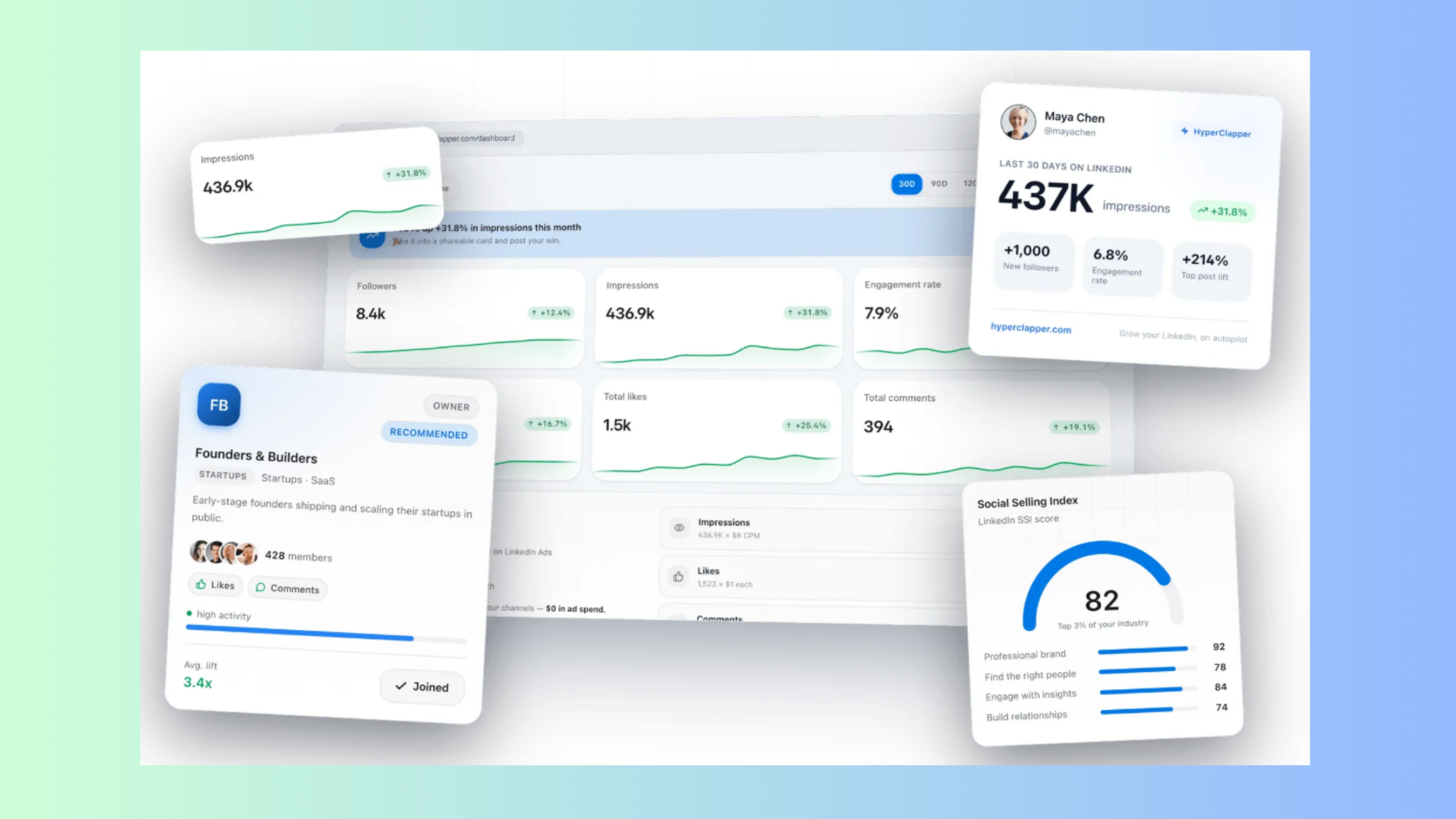
The use-case recommendation matrix breaks down as follows:
- Solo creator or personal brand builder: HyperClapper wins — post reach, AI replies, and engagement analytics without managing any outbound sequences or prospect lists
- Small agency managing LinkedIn content for clients: HyperClapper wins on price and safety — company page boosting plus Content Guard makes multi-client management practical without per-seat blowout costs
- SDR team running high-volume cold email: Lemlist holds the advantage — multi-inbox sequencing, warm-up protocols, and CRM sync are built for this workflow
- Hybrid team doing both LinkedIn content and email outreach: Evaluate a stack split — use HyperClapper for LinkedIn amplification alongside a lower-cost email tool like Instantly or Smartlead rather than paying Lemlist's multichannel premium for both
- Recruiter or coach building a LinkedIn audience: HyperClapper — the real-engagement model builds genuine social proof that attracts inbound, which compounds in ways that cold outreach cannot
Is HyperClapper better than Lemlist? Better at LinkedIn engagement, at a fraction of the cost for that specific use case. The conventional comparison framing — "which is better overall" — is the wrong question. The right question is whether your primary outreach channel is LinkedIn content or cold email. Once you answer that, the tool choice is self-evident.
Creators who skip the channel-first thinking typically find themselves switching tools within three to four months after realising their actual engagement source doesn't match the tool they're paying for. The fix is mapping your primary channel before signing any contract.
Understanding where HyperClapper sits in the broader market helps frame it properly against the full set of Lemlist alternatives — not just as a direct head-to-head.
Best Lemlist Alternatives in 2026 — The Broader Landscape
The best Lemlist alternative 2025–2026 depends almost entirely on which half of the market you're in. Cold outreach tools in 2026 split cleanly into two categories that most comparison articles conflate:
- Email-first tools: Instantly, Smartlead, Woodpecker, Salesforge — compete on deliverability, inbox rotation, and send volume at lower per-seat cost than Lemlist
- LinkedIn-first tools: HyperClapper, Expandi, Dripify — compete on LinkedIn-native engagement, automation safety, and profile reach rather than inbox placement
For a deeper look at how LinkedIn automation tools compare across the full market, that breakdown covers the major platforms side by side.
For email-heavy teams evaluating a Lemlist switch, the evaluation criteria should focus on:
- Multi-inbox cold email sequencing capacity (how many sending accounts per seat)
- Sender reputation warm-up protocol quality
- Email deliverability infrastructure — specifically whether warm-up is included or a paid add-on
- CRM integration depth — HubSpot, Salesforce, and Zapier compatibility matter for pipeline tracking
For LinkedIn-first teams, the evaluation criteria shift entirely:
- Real versus simulated engagement (community members vs bot accounts)
- Company page support — critical for brands, not just individuals
- Content moderation — what prevents inappropriate content from entering your engagement network
- AI reply quality — how well AI-generated comments sustain genuine conversation threads
If you're also comparing options across the Waalaxy side of the market, this breakdown of Waalaxy alternatives covers how the LinkedIn automation segment breaks down further. For agencies that have evaluated Zopto, the Zopto alternatives guide covers that segment specifically.
On compliance — a gap most comparison articles miss entirely: CAN-SPAM and GDPR responsibility sits with the sender, not the tool. Every cold outreach platform you evaluate needs a clear data processing agreement (DPA) before you send to EU contacts. Check each vendor's privacy documentation before running any European campaign, regardless of which platform you choose.
Common Mistakes When Switching Away from Lemlist
Teams that consistently struggle when switching cold outreach tools share a recognisable pattern: they replicate their old workflow in the new tool rather than redesigning it for the new tool's strengths. Switching to HyperClapper and trying to build email sequences in it will fail — it's not built for that. Switching to Instantly and expecting LinkedIn community engagement will also fail. Map the workflow to the tool's actual architecture, not your previous process.
%2520(1).png) hyperclapper.com
hyperclapper.comLinkedIn Engagement Automation: Benefits, Risks, and How to Do It Right
The LinkedIn engagement automation tool category earns its reputation for results — and its reputation for account restrictions — in roughly equal measure, depending entirely on how it's used. Done right, it compounds. Done aggressively, it gets accounts flagged within weeks.
The genuine benefits of LinkedIn engagement automation, when the model uses real community members rather than bots:
- Consistent post visibility — early engagement signals quality content to LinkedIn's distribution algorithm, expanding organic reach beyond your direct followers
- Social proof compounding — posts with 40-50 early likes and comments attract organic engagement from people outside the platform who see the social proof as a credibility signal
- Inbound attraction — a pattern consistently observed across high-engagement LinkedIn accounts is that regular post amplification generates inbound connection requests and DMs that cold outreach cannot replicate at equivalent volume
- Longevity through AI replies — Feed More AI Replies keeps conversations active days after publishing, which LinkedIn's algorithm interprets as sustained engagement depth rather than a one-day spike
The risks cluster around three failure modes that account for the vast majority of LinkedIn automation problems:
- Aggressive connection request volume — sending 50+ connection requests per day through automation tools triggers LinkedIn's spam detection. Accounts that exceed these thresholds typically face restrictions within 10-14 days that require 3-4 weeks of manual recovery posting to restore normal distribution.
- Fake engagement from bot accounts — engagement from accounts with no real activity history, incomplete profiles, or obviously artificial patterns damages credibility with real followers who notice the discrepancy between follower count and genuine interaction quality
- Profile scraping in violation of LinkedIn's ToS — tools that scrape profile data for prospecting lists are explicitly prohibited by LinkedIn's terms of service and have faced legal challenges. The risk is platform-wide, not just account-level.
HyperClapper's community-based model addresses all three: connection requests aren't part of the product's architecture, engagement comes from real members with genuine LinkedIn histories, and no scraping occurs. That's what "safer engagement system" means in practice — not zero risk, but a meaningfully lower risk profile than the automation patterns that generate the headline account bans.
Personalisation at scale on LinkedIn looks different from email: AI replies that reference the actual post topic, ask follow-up questions, or add a relevant data point signal that real humans are engaging — which is exactly what LinkedIn's algorithm is designed to reward. Generic "Great post!" comments, even from real accounts, generate minimal algorithmic lift.
What separates top performers in LinkedIn engagement automation is not the volume of activity — it's the quality of the engagement signal. Ten contextually relevant comments outperform fifty generic likes every time, because LinkedIn's algorithm weights conversation depth over raw reaction counts.
✓ The LinkedIn Engagement Safety Checklist
- ☐Confirm your tool uses real community members — not bot accounts or simulated profiles
- ☐Verify no profile scraping is involved in the engagement model
- ☐Keep daily connection request volume under LinkedIn's recommended thresholds (under 20-30/day for new accounts)
- ☐Review AI reply content before publishing to confirm it sounds contextually relevant, not generic
- ☐Check that the platform has a content moderation system for sensitive topics (politics, violence, etc.)
- ☐For agencies: confirm company page engagement is supported separately from personal profiles
- ☐Test with one channel on one post before scaling to multi-channel deployment
The Verdict: Which Tool Wins for Your Situation in 2026
Bottom line — structured by the three most common buyer profiles in this comparison:
- Budget-conscious LinkedIn creator or founder: HyperClapper is the clear choice. The pricing differential versus Lemlist's Multichannel Expert tier is substantial, the LinkedIn-native feature set is purpose-built for this use case, and the real-engagement model builds the kind of social proof that compounds into inbound pipeline over time. For an even wider view of where HyperClapper sits in the broader landscape, the Mailshake alternatives comparison covers the full sales automation segment.
- Agency managing LinkedIn content for multiple clients: HyperClapper wins on price, safety, and company page support. Lemlist's per-seat pricing makes multi-client management expensive at scale; HyperClapper's architecture accommodates agency workflows at a cost model that doesn't penalise client growth.
- Outbound sales team running cold email at volume: Lemlist retains the advantage. Its email deliverability infrastructure, multi-inbox sequencing, sender reputation warm-up protocols, and CRM integration depth are built for this workflow in ways HyperClapper is not designed to replicate.
Is Lemlist worth the price in 2026? Yes — for teams where email is the primary revenue-generating channel and deliverability infrastructure is a business-critical variable. No — for teams paying Multichannel Expert rates primarily to add LinkedIn steps to sequences when their actual LinkedIn engagement problem is post visibility, not outbound messaging.
For context on what LinkedIn Premium adds to the equation for professionals weighing their full LinkedIn investment, this breakdown of LinkedIn Premium costs helps clarify where platform spend versus tool spend makes most sense.
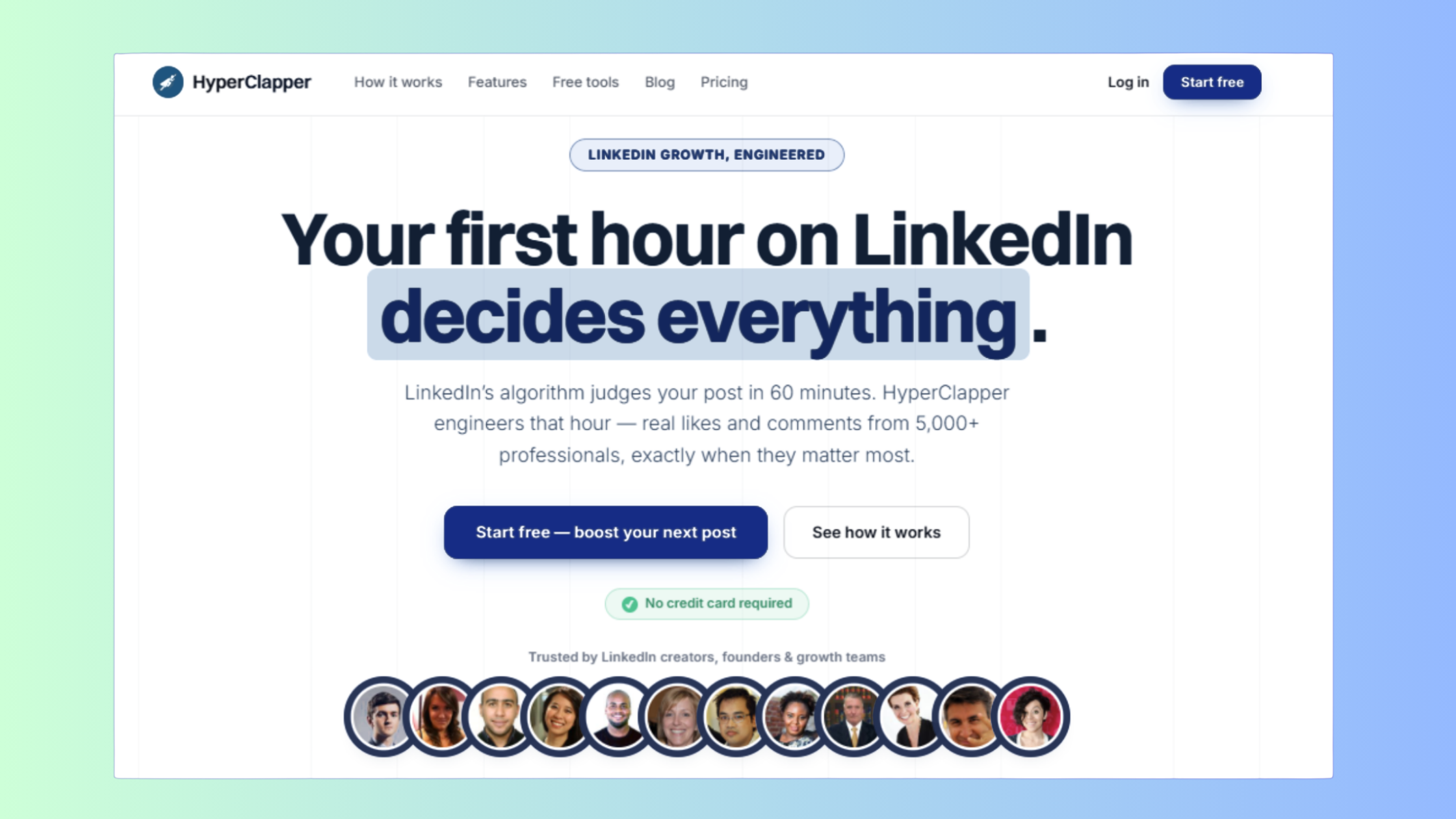
The strongest reason to try HyperClapper first if you're primarily a LinkedIn content creator: the pricing delta versus Lemlist's Multichannel Expert tier funds months of LinkedIn content strategy — and the real-engagement model sidesteps the email deliverability and CAN-SPAM compliance complexity entirely. No sender reputation to build, no warm-up protocol to manage, no inbox placement variables to monitor. The workflow is: post good content, amplify it through real community channels, let AI replies sustain the conversation.
Final checklist before deciding:
- Map your primary distribution channel — LinkedIn content or cold email?
- Count your active seats — how does per-seat pricing scale to your team size?
- Check free trial availability on both platforms before committing
- Run a 30-day test on whichever tool matches your channel priority
Ready to Build Real LinkedIn Reach Without Paying for Features You Don't Need?
HyperClapper's channel-based engagement model is designed for creators, agencies, and founders who want genuine LinkedIn growth — not another cold outreach sequence tool.
Start With HyperClapperWhat consistently separates accounts with real LinkedIn reach from accounts with impressive follower numbers is not which tool they chose — it's whether they matched their tool to their actual distribution model. Teams that align their platform to their channel see compounding returns. Teams that pay for a multichannel tool and use 20% of it plateau regardless of how much they spend.
Frequently Asked Questions About HyperClapper vs Lemlist and Cold Outreach Tools
What are the main differences between HyperClapper and Lemlist for LinkedIn outreach?
HyperClapper amplifies LinkedIn posts through real community engagement channels, while Lemlist automates outbound sequences combining cold email with LinkedIn connection steps. HyperClapper is built for content visibility and post reach; Lemlist is built for prospect-to-pipeline cold outreach. They solve different LinkedIn problems — one builds audience, the other contacts prospects directly.
Which tool is more affordable for cold email and LinkedIn automation — HyperClapper or Lemlist?
HyperClapper is significantly more affordable for LinkedIn-specific use cases. Lemlist's Multichannel Expert plan runs approximately $99 per seat per month, which compounds fast for agencies or teams with multiple accounts. HyperClapper's pricing is structured to stay accessible for solo users and small teams. For cold email specifically, HyperClapper does not offer email sequencing — so the comparison only applies to LinkedIn workflows.
Is HyperClapper a good alternative to Lemlist for small teams?
Yes — for small teams whose primary goal is LinkedIn visibility, engagement, and personal brand growth. HyperClapper's real-community channel model, AI replies, and company page support cover the LinkedIn side of most small team outreach needs at a lower cost. It is not a good Lemlist alternative for small teams whose core motion is cold email prospecting at volume.
What features does HyperClapper have that make it competitive with Lemlist?
HyperClapper offers features Lemlist does not: real community engagement channels (not simulated), company page post boosting and replies, Content Guard moderation for sensitive topics, and Feed More AI Replies for sustained post longevity. For LinkedIn-native engagement strategy, these features are purpose-built in ways Lemlist's LinkedIn module — designed as an add-on to email sequences — is not.
How much does Lemlist cost per month in 2026, and is it worth it?
Lemlist pricing too expensive is the most common G2 cancellation reason. Plans range from approximately $39/seat (Email Starter) to $99/seat (Multichannel Expert) per month. It's worth it when email deliverability and CRM-integrated sequencing are central to your revenue motion. It's not worth it when you're primarily paying for LinkedIn features you use infrequently alongside email sequences that generate most of your actual replies.
Does HyperClapper comply with LinkedIn's terms of service and data privacy regulations?
HyperClapper is designed with a safer, non-scraping engagement architecture — no profile scraping, real community members rather than bots, and Content Guard filtering to prevent sensitive content from entering the network. This meaningfully reduces the risk profile compared to scraping-based tools. That said, all third-party LinkedIn tools operate in a space where LinkedIn's ToS restricts certain automations — users should review platform guidelines and HyperClapper's own documentation before deploying at scale.
What integrations does Lemlist support compared to HyperClapper?
Lemlist integrates natively with HubSpot, Salesforce, Pipedrive, and Zapier — making it a natural fit for outbound sales stack integration where CRM pipeline sync is essential. HyperClapper focuses on LinkedIn-native workflows rather than CRM pipeline management. If your evaluation depends on CRM integration depth, Lemlist holds a clear advantage; if your workflow lives on LinkedIn without a CRM, that advantage is irrelevant to your decision.



