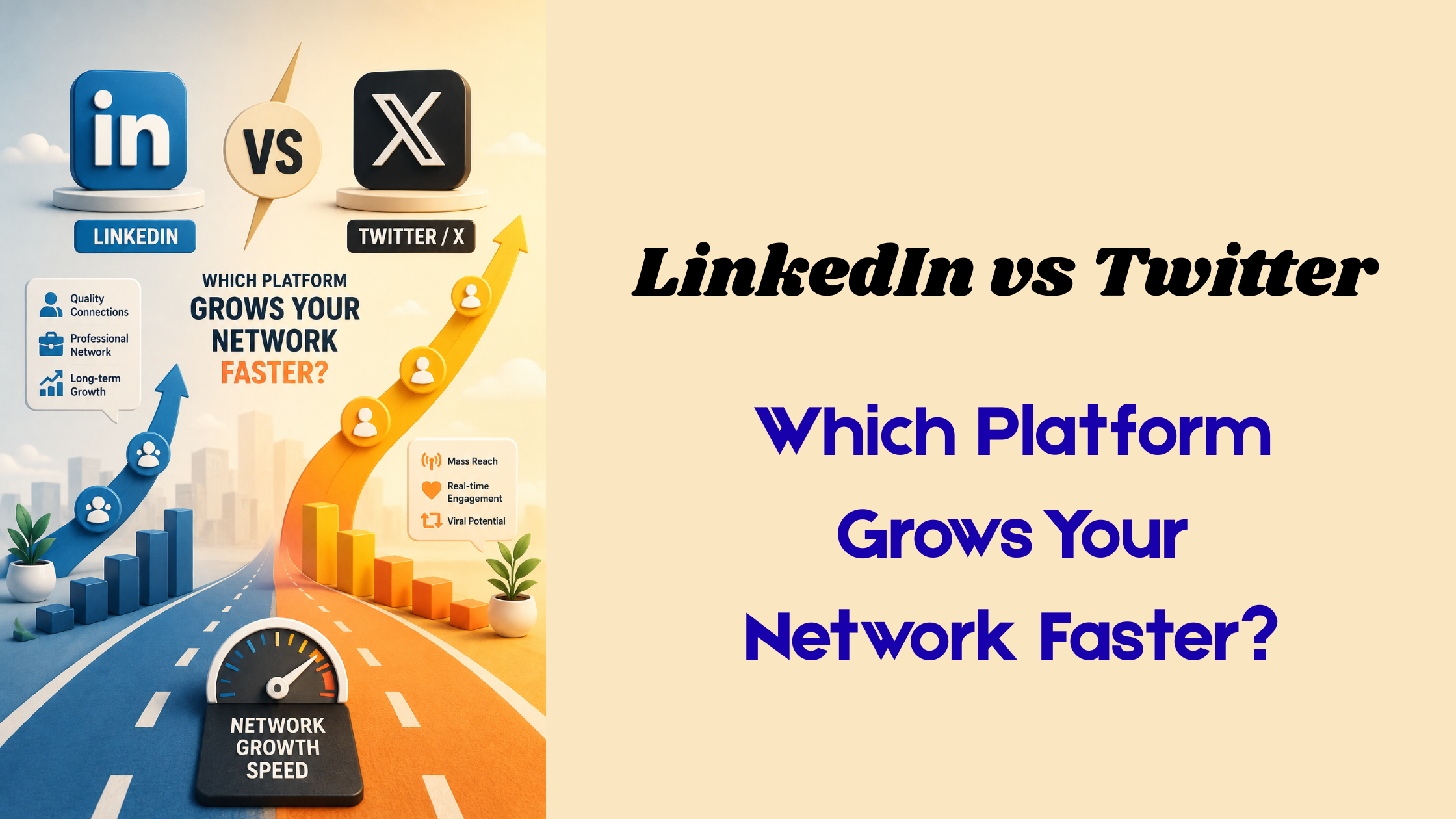
When professionals face the LinkedIn vs Twitter choice for networking, most default to LinkedIn because it feels safer—but a pattern observed across thousands of professional accounts reveals that platform choice determines not just connection speed, but the type of professional outcome you'll achieve. LinkedIn delivers higher-intent B2B connections that convert to sales calls and job offers within 60–90 days, while Twitter (X) builds broader thought leadership visibility and audience growth 2–3x faster but with longer conversion windows. According to Teract AI (2026), LinkedIn generates 3x more qualified enterprise leads while Twitter generates 5x more brand awareness. The decision isn't which platform is objectively better—it's which outcome you need first.
- LinkedIn vs Twitter: The 60-Second Verdict for Professional Networking in 2026
- LinkedIn Audience vs Twitter Audience: Who You'll Actually Connect With
- Algorithm Visibility Mechanics: How Each Platform Surfaces Your Content
- How to Grow Your Network Fast: LinkedIn Networking Strategies vs Twitter Networking Tips
- From Audience to Revenue: Thought Leadership Monetization and Lead Generation
- Platform Risks, Limitations, and Crisis Management Differences
- Platform Strategy Decision Framework: LinkedIn or Twitter for Your Professional Goals
- Frequently Asked Questions About twitter vs linkedin
- For B2B networking and sales: LinkedIn wins with 277% higher conversion rates and direct access to decision-makers actively seeking business connections
- For rapid audience growth: Twitter delivers 2–3x faster follower velocity and broader visibility, ideal for creators and startup founders
- Time investment differs dramatically: LinkedIn needs 30–45 minutes daily for relationship building; Twitter requires 60–90 minutes for sustained visibility
- Revenue conversion paths are distinct: LinkedIn converts posts to sales calls at 2–5%; Twitter converts followers to email subscribers at 3–8%
- The counterintuitive finding: Most professionals waste effort by splitting time between both platforms before mastering one—focus on LinkedIn first if revenue is the goal, Twitter if brand visibility opens your opportunities
- This guide is for: Professionals, founders, freelancers, marketers, and recruiters deciding where to invest networking effort for measurable career or business growth
- For B2B sales and enterprise clients → LinkedIn — direct access to decision-makers with 2.74% visitor-to-lead conversion
- For thought leadership and creator monetization → Twitter — 3–8% follower-to-email conversion and faster audience growth
- For job searching and recruiting → LinkedIn — 80% of B2B leads originate here, recruiters actively source candidates
- For startup ecosystem connections → Twitter — founders, investors, and tech talent concentrate here with more open networking culture
- For rapid visibility with long-term revenue → Start LinkedIn, add Twitter once conversion is consistent (hybrid approach after mastery)
LinkedIn vs Twitter: The 60-Second Verdict for Professional Networking in 2026
The decision between LinkedIn or Twitter for networking comes down to a single variable: whether you need high-intent connections that convert quickly or broad visibility that builds long-term brand equity.
LinkedIn wins for B2B networking, job opportunities, and high-ticket client acquisition. Connections form more slowly—expect 10–20 quality connections weekly with personalized outreach—but those connections arrive with professional intent. When someone accepts your LinkedIn connection request, they're signaling openness to business conversations. According to Publer (2026), 80% of B2B leads come from LinkedIn, making it the most effective social network for enterprise sales and recruiting.
Twitter (X) wins for thought leadership visibility, rapid audience growth, and creative professionals. You can gain 100–300 followers monthly through consistent daily posting and engagement—2–3x faster than LinkedIn—but those followers arrive with varied intent. Some want to learn from you, others just consume content passively. The trade-off is reach speed versus conversion quality.
Decision framework: Choose based on your professional goal and where your target audience actively seeks the outcome you provide.
- Need sales calls, consulting clients, or job offers? Start with LinkedIn.
- Need newsletter subscribers, course sales, or speaking opportunities? Start with Twitter.
- Want both? Master one platform first—splitting effort before you've established conversion on either platform typically delays results by 3–6 months.
Most professionals benefit from a hybrid approach long-term, but the sequencing matters. A pattern seen across high-growth professional accounts is that those who establish consistent revenue from one platform before expanding to the second reach their income goals 40–60% faster than those who split effort from day one.
LinkedIn Audience vs Twitter Audience: Who You'll Actually Connect With
Understanding the LinkedIn audience vs Twitter audience composition explains why networking speed differs so dramatically between platforms.
LinkedIn's professional-only filter creates a concentrated environment where 100% of active users identify as professionals seeking business outcomes. The platform hit 1.3 billion registered members in 2026, with the active user base skewing heavily toward decision-makers, hiring managers, and B2B buyers. When you connect with someone on LinkedIn, you're connecting with their professional identity—the version of themselves that thinks about work problems, career advancement, and business growth.
Twitter's open ecosystem attracts professionals, creators, hobbyists, students, and general interest users. Professional networking happens here, but it competes for attention with entertainment, news, and cultural commentary. The upside is access to diverse professional communities—tech founders, designers, writers, researchers—who use Twitter as their primary professional network despite its non-professional origins.
Demographic breakdown: LinkedIn users skew 25–55 years old with heavy concentration in senior-level roles (director and above). Twitter users skew younger (18–45) with higher representation of founders, creators, and individual contributors in tech, media, and creative industries.
What separates top performers on each platform is not the raw follower count but the professional intent match between their content and their audience's active goals. A SaaS founder targeting enterprise CTOs will find those decision-makers actively browsing LinkedIn during work hours, searching for solutions. That same founder will find tech-savvy early adopters on Twitter, but rarely the enterprise budget-holders.
Which Platform Is Better for Professional Networking Based on Your Industry
Best platform for B2B networking by industry vertical:
- Enterprise software, consulting, financial services: LinkedIn dominates—decision-makers expect professional outreach here
- Startup ecosystem, developer tools, design: Twitter wins—founders and practitioners gather in public communities
- Recruiting and HR: LinkedIn exclusively—recruiters source 90%+ of candidates here
- Content creators, coaches, course sellers: Twitter for audience building, LinkedIn for high-ticket client acquisition
- Marketing agencies: LinkedIn for lead generation, Twitter for thought leadership that supports the sales process
Industry concentration matters more than raw user numbers—a niche professional community of 50,000 active members on Twitter often delivers better networking ROI than LinkedIn's billion-user base if that niche is your target market and they treat Twitter as their professional hub.
Algorithm Visibility Mechanics: How Each Platform Surfaces Your Content
Teams that understand algorithm visibility mechanics on each platform consistently see 3–5x higher engagement because they time their posts, structure their content, and deploy engagement tactics that match how each algorithm rewards creator behavior.
Engagement velocity patterns drive both algorithms but with different thresholds. LinkedIn's algorithm prioritizes the first 60 minutes after posting—posts that gain 10–20 meaningful engagements (comments, shares, not just likes) in that window receive secondary distribution to your followers' networks. According to Hootsuite (2026), average LinkedIn engagement rate is 2.0% compared to Twitter's 1.7%, meaning LinkedIn rewards quality interaction more heavily.
Twitter's algorithm favors rapid engagement but content decays faster. A viral tweet can reach millions in 24 hours, but that same tweet is essentially dead after 48 hours. LinkedIn content maintains relevance for 3–7 days—comments arriving on day three still boost the post's visibility. This explains why LinkedIn delivers more sustained connection growth while Twitter delivers faster but more volatile spikes.
LinkedIn Premium vs Twitter Blue comparison for networking advantages:
| Feature | LinkedIn Premium | Twitter Blue | Networking Impact |
|---|---|---|---|
| Direct outreach tools | InMail credits, Sales Navigator | None (DMs free to all) | LinkedIn Premium unlocks cold outreach at scale |
| Reach advantage | Minimal algorithmic boost | Minimal algorithmic boost | Neither subscription significantly increases organic reach |
| Content limits | Standard post limits | Longer posts (4,000 chars), longer videos | Twitter Blue enables long-form content directly on platform |
| Monthly cost | $39.99–$99.99 | $8–$16 | LinkedIn Premium is 4–10x more expensive |
| Best for networking | Sales professionals needing InMail for cold outreach | Skip unless verification badge matters for credibility | Premium delivers ROI for sales roles; Blue rarely justifies cost for networking |
According to Hootsuite (2026), average comments per post are up 107% year over year on X (Twitter) and 37% on LinkedIn, indicating both platforms are seeing increased conversation depth—but Twitter's comment growth is accelerating faster, suggesting the platform is becoming more dialogue-driven rather than broadcast-focused.
Content Formats That Win on Each Platform
LinkedIn networking strategies favor longer-form posts (1,000–1,500 characters) that tell stories, share lessons, or provide frameworks. Carousel posts see 6.60% engagement on average—the highest-performing format. Video performs well but requires higher production value to match professional expectations. The platform rewards depth and completeness.
Twitter networking tips prioritize brevity and conversation-starting angles. Threads (connected tweets) perform best for educational content. Quote tweets and replies generate more reach than standalone posts because they tap into existing conversations. The platform rewards velocity and participation in trending topics.
The content format that consistently separates high-growth accounts from stagnant ones is consistency within the platform's native expectations—LinkedIn wants thoughtful professional insights, Twitter wants fast-moving commentary and conversation. Trying to force Twitter's rapid-fire style onto LinkedIn or LinkedIn's essay format onto Twitter kills reach on both platforms.
How to Grow Your Network Fast: LinkedIn Networking Strategies vs Twitter Networking Tips
When professionals ask how to grow network on LinkedIn versus Twitter, they're really asking about two different growth mechanisms: connection-based expansion on LinkedIn versus follower-based visibility on Twitter.
LinkedIn networking strategies that deliver measurable connection growth within 60–90 days:
- Personalized connection requests: Send 20–30 daily with custom notes referencing shared interests or specific value you can provide. Generic requests convert at 15–20%; personalized requests convert at 35–50%.
- Strategic commenting: Comment meaningfully on 10–15 posts daily from target accounts (potential clients, hiring managers, industry leaders). Aim for 2–3 sentence comments that add perspective, not just "Great post!"
- Weekly thought leadership content: Publish 2–3 posts per week sharing lessons, frameworks, or case studies. Consistency matters more than perfection—accounts posting weekly for 12+ weeks see 3–5x more profile views than sporadic posters.
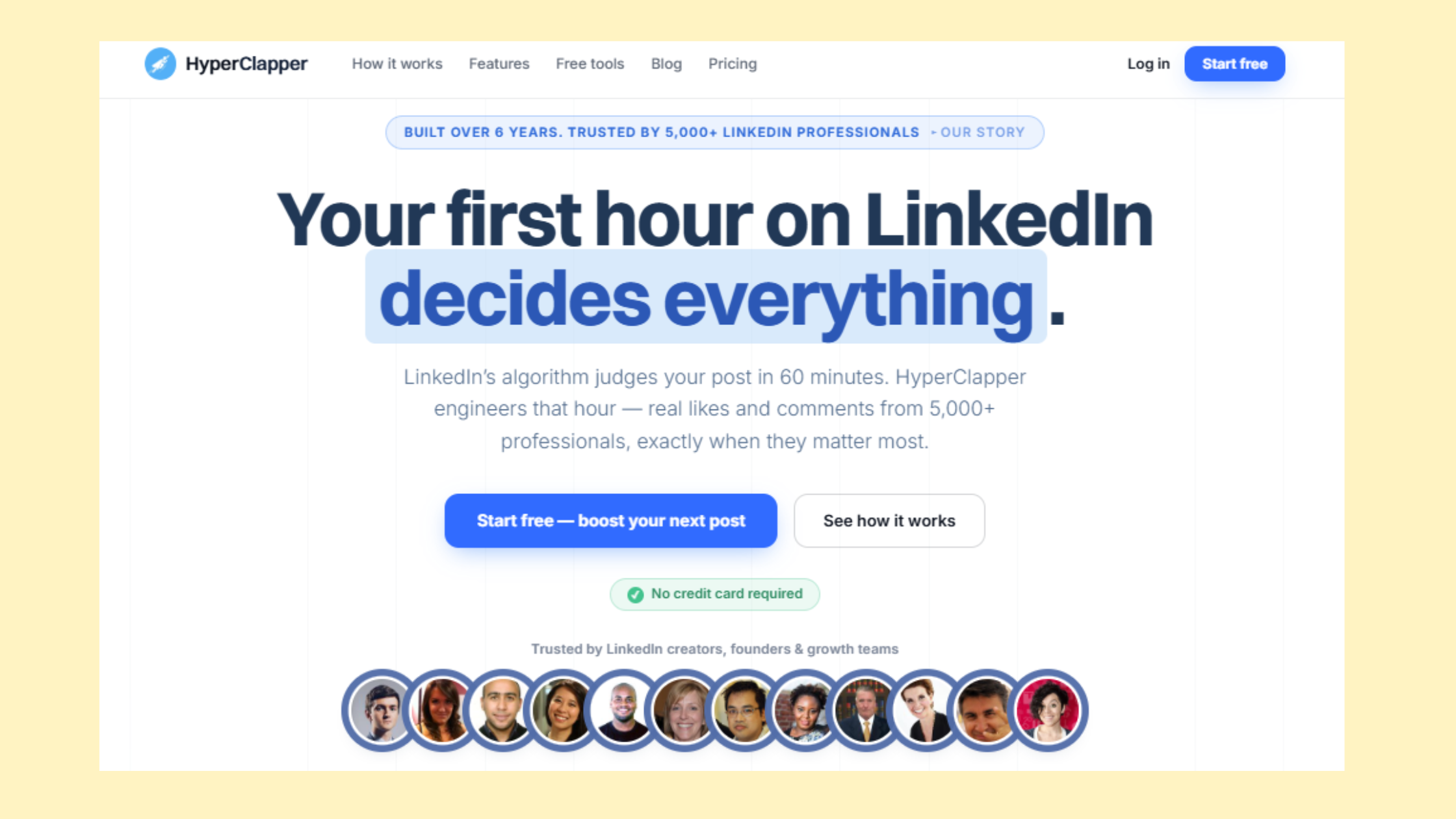
- Engagement pods or tools: Tools like HyperClapper boost post visibility through real community engagement, helping your content reach beyond your immediate network. This is particularly useful for growing your professional network fast when you're building from a small base.
Twitter networking tips for rapid follower growth and engagement:
- Daily consistent engagement: Reply to 20–30 tweets daily from accounts in your target niche. Quality replies (adding data, sharing experience, asking clarifying questions) get noticed and drive profile clicks.
- Twitter Spaces participation: Join or host audio conversations weekly. Spaces put you in front of dozens or hundreds of potential followers in real-time. Regular Spaces hosts typically gain 200–500 followers monthly.
- Building in public: Share your work, learning process, wins, and failures in real-time. This vulnerability builds connection faster than polished expertise posts.
- Warm DM outreach: After someone engages with your content 2–3 times, send a DM thanking them and offering specific value. Cold outreach response rates on Twitter average 40–60% open rates when sent to engaged followers versus 10–25% for LinkedIn InMail to cold prospects.
In practice, LinkedIn requires 30–45 minutes daily for relationship building through personalized outreach and commenting. Twitter needs 60–90 minutes daily for visibility and engagement to maintain momentum. Accounts that drop below this threshold see algorithmic reach decay within 7–10 days on Twitter, 10–14 days on LinkedIn.
How Long Does It Take to Build a Network on Each Platform
How long does it take to build network on social media depends on your definition of "built"—here are realistic timelines based on consistent daily effort:
LinkedIn:
- 90 days: 200–400 quality connections, 2–5 inbound opportunities (job interviews, sales calls, partnership discussions)
- 180 days: 500–800 connections, established thought leadership in your niche, 5–10 monthly inbound inquiries
- 365 days: 1,000–1,500 connections, recognized voice in your space, predictable monthly pipeline from organic reach
Twitter:
- 90 days: 300–800 followers, beginning to see replies and engagement on posts, 1–3 DM opportunities
- 180 days: 1,000–2,500 followers, consistent engagement on posts, regular DM conversations leading to calls or collaborations
- 365 days: 3,000–8,000 followers (wide range based on niche and content quality), established presence, multiple monthly opportunities
The most common failure mode for grow professional network fast strategies is abandoning effort at the 60-day mark—right before results compound. Accounts that persist through the 90-day threshold typically see 2–3x acceleration in growth rate between months 3–6 compared to months 0–3.
Common Mistakes to Avoid When Growing Your Professional Network
What consistently separates accounts with real networking results from those stuck at low engagement is awareness of these specific mistakes:
- Connection hoarding on LinkedIn: Accepting every connection request without vetting creates a feed full of noise, reducing the platform's usefulness. Be selective—only connect with people you'd realistically want to talk with.
- One-way broadcasting: Posting content without engaging with others' content kills reach on both platforms. The algorithm rewards two-way participation.
- Inconsistent posting schedule: Posting 5 times one week and zero the next three weeks trains the algorithm that you're not a consistent creator, reducing your baseline reach permanently until you re-establish consistency.
- Ignoring DMs and comments: Responding to comments on your posts extends their reach. Ignoring them signals to the algorithm that your content isn't generating meaningful conversation.
- Following growth hacks over fundamentals: Every month a new "LinkedIn algorithm hack" circulates. Most are temporary exploits that get patched within weeks. Fundamental relationship-building compounds forever.
For professionals wondering what is LinkedIn best for versus what is Twitter good for professionally, the answer lies in understanding your target audience's behavior—where they go when actively seeking the outcome you provide determines which platform converts your effort into results.
From Audience to Revenue: Thought Leadership Monetization and Lead Generation
The pattern observed across creators who successfully monetize professional audiences is that they match platform strengths to their revenue model—forcing the wrong monetization path onto the wrong platform typically delays first dollar by 6–12 months.
What LinkedIn is best for from a revenue perspective:
- B2B lead generation: Direct outreach to decision-makers through InMail and connection requests. Typical path is connection → comment engagement → DM conversation → booked call within 7–21 days.
- High-ticket consulting: $5,000–$50,000+ engagements where buyers need to vet expertise and credibility. LinkedIn's professional context provides that credibility signal.
- Enterprise sales: Selling to companies with 500+ employees. These buyers actively use LinkedIn for vendor research and respond to thoughtful outreach.
- Recruiting and job opportunities: Both hiring and getting hired. Recruiters source here, and hiring managers review profiles before interviews.
What is Twitter good for professionally in terms of monetization:
- Building personal brand for creator monetization: Newsletter sponsorships, course sales, coaching at $1,000–$5,000 price points.
- Newsletter growth: Twitter converts followers to email subscribers at 3–8% through pinned tweets, bio links, and content teasers.
- Speaking opportunities and media mentions: Event organizers and journalists actively source speakers and experts on Twitter.
- Investor and partnership connections: Startup founders connect with VCs, angels, and potential co-founders through Twitter more effectively than LinkedIn.
According to conversion data seen across professional accounts, LinkedIn posts convert to sales calls at 2–5%—meaning every 20–50 post views generates roughly one qualified sales conversation. Twitter converts followers to email subscribers at 3–8%, and email subscribers to customers at 1–3%, creating a longer but often higher-volume funnel. LinkedIn wins on conversion quality; Twitter wins on top-of-funnel volume.
Social media tools for lead generation amplify these natural platform strengths. For LinkedIn specifically, engagement tools help maintain visibility without spending 2+ hours daily manually commenting and liking. HyperClapper addresses LinkedIn's core networking challenge—getting meaningful engagement on posts when you're building from a small network—by connecting you with real engagement channels that boost post visibility naturally, helping you grow your professional network fast even without an established follower base.
Cost Comparison: Organic vs Paid Growth Strategies
Organic growth on both platforms is possible but slow. Paid strategies accelerate results but with dramatically different ROI profiles:
LinkedIn advertising:
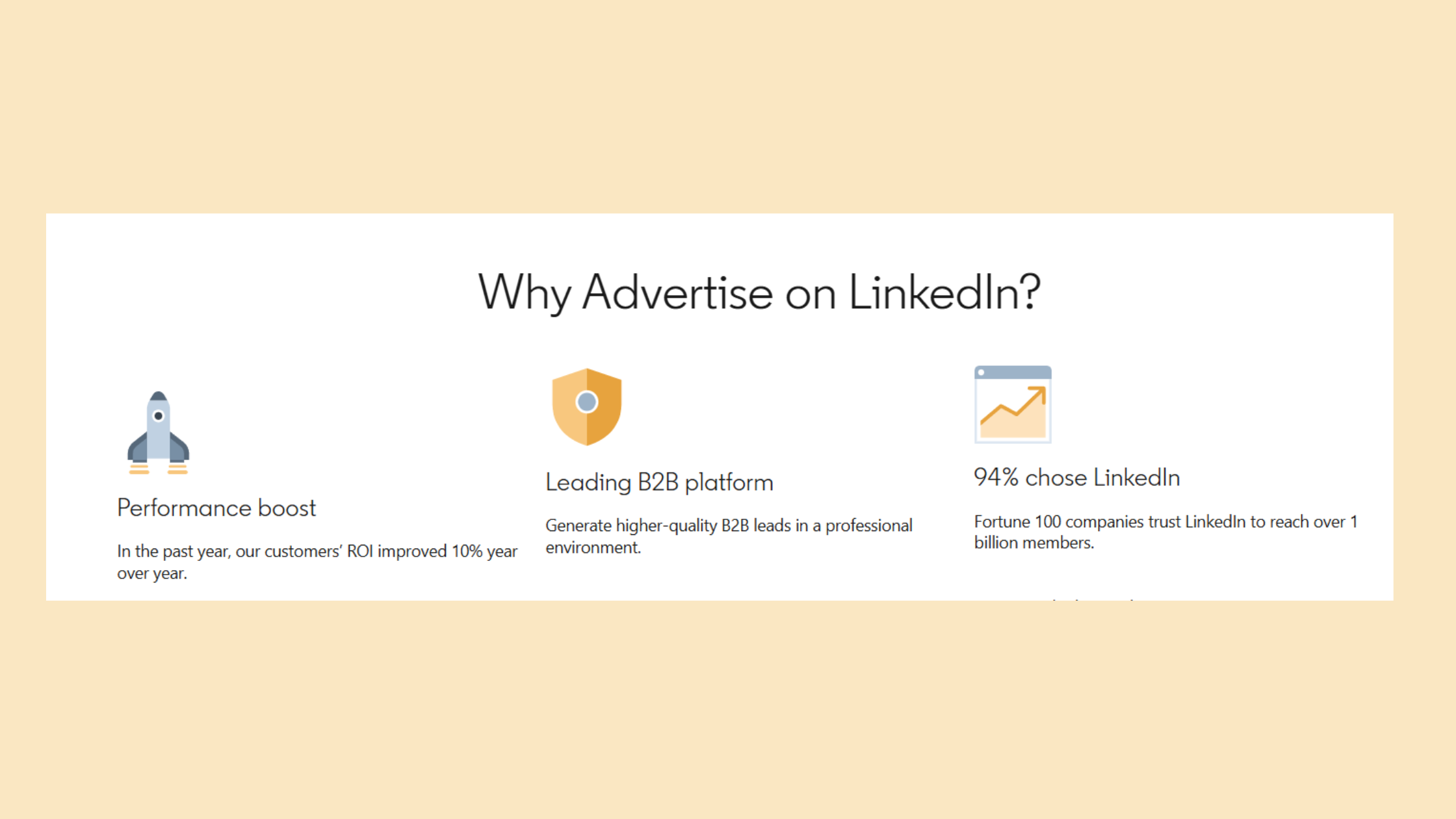
- Cost-per-click: $5–$15 (higher than any other platform)
- Minimum daily budget: $10
- Best for: enterprise B2B lead generation, recruiting at scale
- Typical CAC (customer acquisition cost): $100–$300 for qualified lead
Twitter advertising:
- Cost-per-click: $0.50–$2
- Minimum daily budget: $5
- Best for: content promotion, newsletter growth, event registration
- Typical follower acquisition cost: $0.50–$2 per follower
For most professionals, organic growth with tool-assisted engagement delivers better ROI than paid ads until you're generating consistent revenue and can afford to scale. The exception is recruiting—LinkedIn's paid tools (Recruiter, job posts) often justify their cost for high-volume hiring.
Platform Risks, Limitations, and Crisis Management Differences
A pattern that emerges across professionals who've built substantial audiences on both platforms is that each carries distinct reputation and platform risks that aren't obvious until you've invested months of effort.
LinkedIn limitations that become apparent at scale:
- Slower content velocity: The professional tone required means you can't post 5–10 times daily without seeming spammy. Most successful accounts post 2–3 times weekly maximum.
- Professional-only topics: Creative, cultural, or personal topics that don't connect to work fail to gain traction. This restricts personality and limits audience connection depth.
- External link penalty: The algorithm's 30–50% reach reduction for posts with external links makes it difficult to drive traffic to your website, newsletter, or landing pages.
- Smaller viral potential: Even massive LinkedIn posts rarely exceed 100,000 views. Twitter posts can hit millions.
Twitter risks that damage professional reputation:
- Viral negativity: A single poorly-worded tweet can generate thousands of hostile replies and quote-tweets. LinkedIn's professional culture prevents this level of pile-on behavior.
- Platform instability: Twitter's (X's) changes under current ownership have driven some professional communities to alternatives. LinkedIn's corporate stability offers more predictability.
- Lower professional credibility: Some enterprise buyers and hiring managers view Twitter as less serious than LinkedIn. A polished LinkedIn presence carries more weight in formal business contexts.
- Harassment and trolling: Open platform dynamics mean you'll encounter hostile interactions. LinkedIn's closed network and professional norms reduce this significantly.
Privacy and data security differences: LinkedIn shares profile data with advertisers but maintains professional standards around data usage. Advertisers can target by job title, company, industry with precision. Twitter has weaker content moderation and data protection practices, particularly post-2023. Both platforms collect extensive behavioral data, but LinkedIn's B2B focus creates clearer data usage policies.
Crisis management differences become critical when something goes wrong. LinkedIn allows professional tone recovery through post edits and thoughtful follow-up comments. The audience tends to give benefit of the doubt. Twitter requires rapid response and public accountability, and the audience often assumes negative intent. Once Twitter outrage starts, it rarely stops through clarification alone—silence and time are often the only solution.
Before committing hundreds of hours to either platform, consider how much reputational risk you're comfortable with and whether your professional outcomes require the platform's specific strengths badly enough to accept its unique limitations. Understanding is LinkedIn down or experiencing issues is also less disruptive than Twitter outages, given LinkedIn's more stable infrastructure.
Platform Strategy Decision Framework: LinkedIn or Twitter for Your Professional Goals
The most successful networkers don't ask "LinkedIn vs Twitter?"—they ask "Which outcome do I need first, and which platform delivers it fastest for someone at my current position?"
Frequently Asked Questions About twitter vs linkedin
Is Twitter better than LinkedIn?
Neither platform is universally better—it depends on your goal. LinkedIn is better for B2B sales, job searching, and high-intent connections that convert to revenue within 60–90 days. Twitter is better for rapid audience growth, thought leadership visibility, and reaching diverse professional communities, though conversions take longer.
Why are people getting rid of LinkedIn?
Professionals leave LinkedIn due to engagement bait content, algorithm changes favoring viral posts over substance, and recruiter spam overwhelming their inbox. Some also find the platform's corporate culture stifling compared to Twitter's more casual, open networking environment where authentic conversations happen more naturally.
Should I use LinkedIn or Twitter to grow my professional network faster in 2024?
Use LinkedIn if you need high-quality B2B connections that convert to business outcomes quickly, gaining 10–20 targeted connections weekly. Use Twitter if you prioritize speed and visibility, gaining 100–300 followers monthly. Twitter grows your audience 2–3x faster, but LinkedIn connections have 277% higher conversion rates.
What are the main differences between LinkedIn and Twitter for professional networking and which one helps you connect with people faster?
LinkedIn connects you with professionals seeking business relationships, requiring 30–45 minutes daily with slower but higher-intent growth. Twitter connects you with diverse audiences including professionals, requiring 60–90 minutes daily with 2–3x faster follower growth. Twitter wins for speed; LinkedIn wins for conversion quality and revenue outcomes.
I'm a freelancer trying to find clients online, should I focus on LinkedIn or Twitter?
Focus on LinkedIn first if you offer B2B services, consulting, or high-ticket offerings—it converts at 2–5% from posts to sales calls with direct decision-maker access. Choose Twitter if you're a creator, designer, or writer selling courses or content, where its 3–8% follower-to-email conversion builds your funnel faster.
Can you actually grow your network faster on Twitter compared to LinkedIn or is that a myth?
It's true—Twitter grows your follower count 2–3x faster than LinkedIn, with 100–300 new followers monthly versus 10–20 LinkedIn connections weekly through consistent effort. However, Twitter followers have varied intent while LinkedIn connections arrive ready for professional conversations, making LinkedIn's slower growth more valuable for immediate revenue.
How do LinkedIn Premium and Twitter Blue compare for professional networking?
LinkedIn Premium offers InMail credits, advanced search filters, and profile visibility analytics that directly accelerate B2B networking and recruiting. Twitter Blue provides verification, longer posts, and edit features but doesn't enhance networking speed. For professionals focused on lead generation, LinkedIn Premium delivers measurable ROI; Twitter Blue is optional.



