The funny accounts on Twitter that professionals quietly follow aren't just entertainment — they're a writing school disguised as a scroll break. A pattern observed across high-performing LinkedIn creators is that their sharpest hooks, snappiest openers, and most human-sounding posts often trace back to comedy accounts they follow on X. The catch: generic "best of" lists keep surfacing the same 10 accounts regardless of your niche. This guide organizes funniest Twitter accounts for professionals by humor style, so you actually find accounts that match how you think — not just what's trending.
- Organized by humor style (dry wit, absurdism, satire, niche) — not just raw popularity
- Covers funny Twitter accounts LinkedIn users follow sourced from real recommendation threads
- Includes brand, anonymous, and parody accounts competitors overlook entirely
- Teaches a repeatable method to find new funny accounts as old ones go stale
- Counterintuitive finding: consistently funny accounts post less, not more — volume kills comedic timing
- Explains how humor consumption translates to better LinkedIn content without tone-mismatch risk
- Why LinkedIn Pros Follow Funny Twitter Accounts
- Funniest Twitter Accounts, Organized by Humor Style
- Best Workplace Humor Twitter Accounts LinkedIn Users Actually Follow
- How to Find Funny Twitter Accounts Worth Following
- Can Following Funny Accounts Help Your LinkedIn Personal Brand?
- FAQ: Funny Twitter Accounts for LinkedIn Professionals
Why LinkedIn Pros Follow Funny Twitter Accounts (It's Not Just for Laughs)
Following humor accounts isn't a guilty pleasure — it's a creative reset. Professionals who regularly consume strong comedic writing on X consistently produce tighter, more human-sounding LinkedIn content. Dry humor social media formats — the compressed setup, the unexpected pivot, the observation that names something everyone feels but nobody says — are exactly the mechanics behind LinkedIn posts that generate real engagement.
According to Sprout Social (2026), 35.7% of X users are actively seeking funny or entertaining content. That's more than one in three people on the platform scrolling specifically for a laugh — which tells you comedy is one of the platform's dominant native languages, not a side genre.
The real pain point — surfaced consistently across Reddit and LinkedIn community threads — isn't finding any funny account. It's finding accounts that are consistently funny over time, not ones that had one viral moment and went quiet. That distinction shapes everything below.
What Makes a Twitter Account Consistently Funny vs. a One-Hit Wonder
Accounts that stay funny share three observable traits: a recognizable comedic voice (you know it's them before you see the handle), a tight posting frequency (roughly 3–7 posts per week — more than that dilutes the punchline density), and a clear thematic lane they rarely abandon. One-hit wonders tend to chase trending topics outside their lane, lose their voice, and go from must-follow to muted within a quarter. When evaluating funny professional social media accounts to follow, filter ruthlessly on voice consistency — not follower count.
The accounts worth following aren't the loudest ones. They're the ones where you scroll back six months and the quality hasn't dropped.
The Funniest Twitter Accounts for Professionals, Organized by Humor Style
Generic lists fail because humor is personal. Here's how the landscape breaks down by comedic posting style — match the category to how your brain actually works.
Dry Wit and Corporate Satire Accounts Worth Following
Dry wit accounts are the most useful for LinkedIn professionals because the format transfers directly. The mechanics — understatement, deadpan observation, the single devastating one-liner — work just as well in a LinkedIn post opener as they do in a tweet. Standout accounts in this lane include:
- @Corporette / @CorporateBro — skewers corporate speak with clinical precision
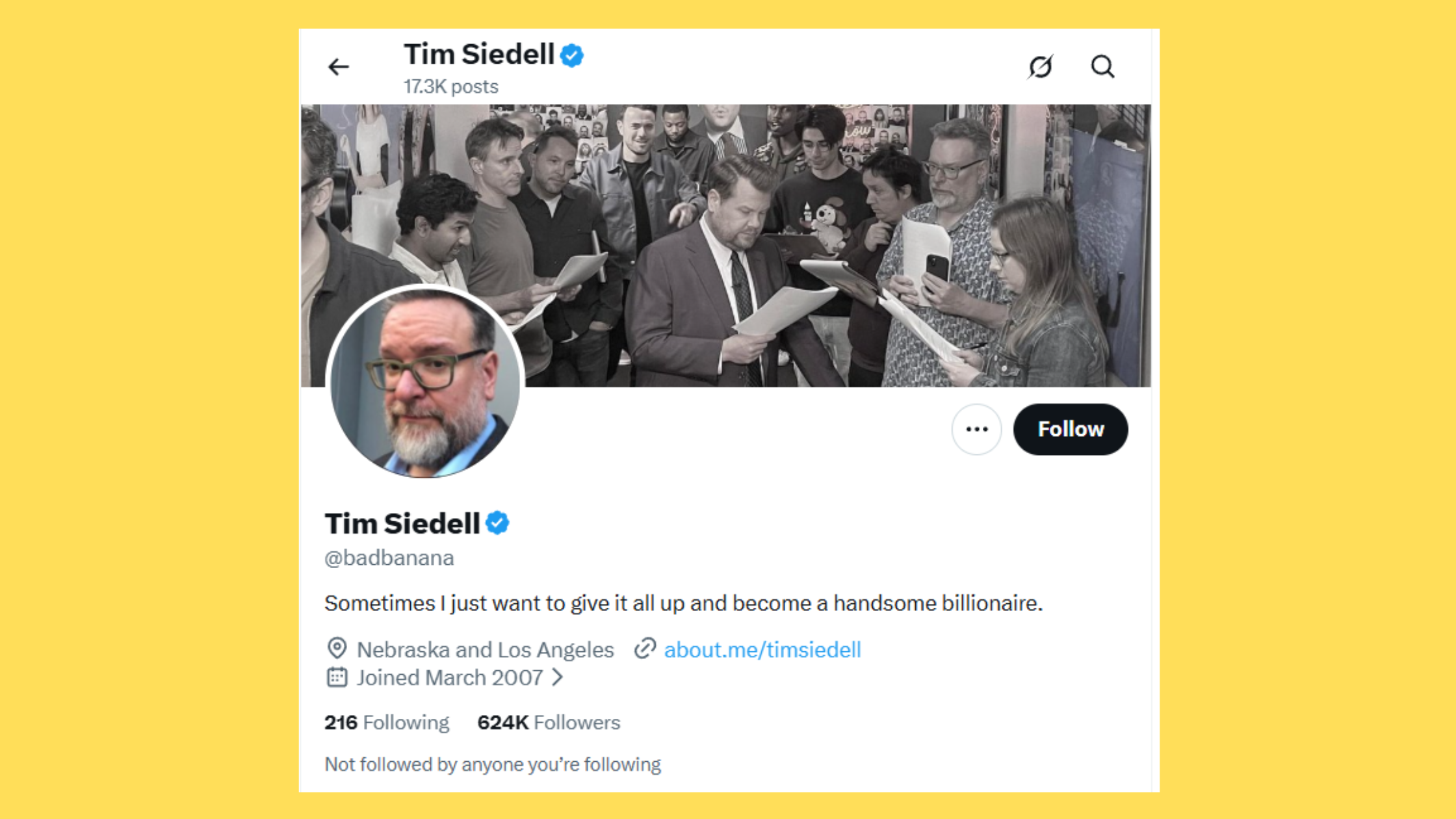
- @badbanana (Tim Siedell) — textbook dry wit; every tweet is a compressed short story
Corporate Satire Accounts - @meganamram — TV-writer-level absurdist setups with corporate-world observations woven in
- @Queen_UK — the parody royal account; institutional dry humor that lands even on non-UK audiences
What makes dry wit useful professionally: it builds perceived authority. Accounts in this style make an argument through implication rather than declaration — exactly how strong LinkedIn thought-leadership posts work.
Niche Comedy Communities: Tech, Finance, Remote Work, and More
These are the accounts the best twitter pages better than the hub crowd actually share in Discord servers and Slack channels — not the mainstream names. Twitter humor for remote workers, finance bros, and tech people lives in niche comedy communities where the jokes require insider context to land.
- @TechEmails — screenshots of absurd internal company communications
- @VCBrags — parody venture capital culture account; essential for founders and startup marketers
- @WFHProblems — remote work humor that hits every pain point without overstaying its welcome
- @FinanceTikTok (cross-platform) and @StockMarketMemes — finance humor that spans X and LinkedIn with high shareability
Teams that follow niche comedy communities in their industry consistently see those references appear in their content as natural cultural fluency — which reads as authentic expertise to audiences inside the same niche.
Funny Brand and Anonymous Parody Accounts to Know
Twitter accounts that make fun of corporate culture often run anonymously — and those are frequently the sharpest. The best twitter accounts ph community has its own layer of this, with anonymous parody accounts gaining regional followings for local corporate culture satire.
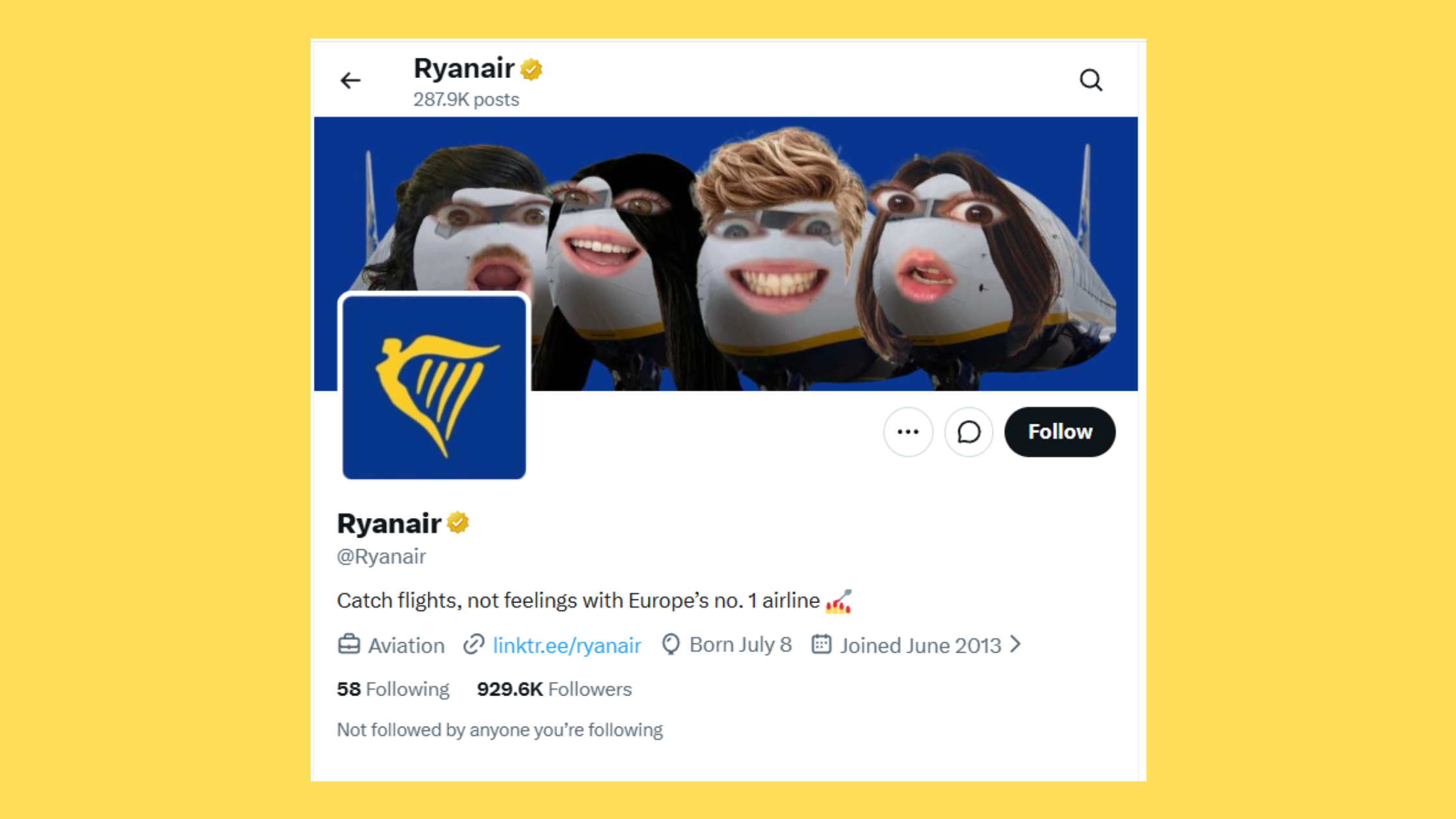
- @RyanairIT and @Ryanair — the benchmark for brand accounts that roast their own customers (and competitors) without losing commercial footing
- @DuolingoApp — the owl character's threatening-but-wholesome persona is a masterclass in consistent brand voice
- @NASAHubble — deadpan cosmic scale humor; unexpectedly funny for a government account
- Anonymous parody accounts: search "[Your Industry] + bot" or "[Your Industry] + complaints" on X to surface the best ones in your niche
Best Workplace Humor Twitter Accounts LinkedIn Users Actually Follow
When LinkedIn influencers publicly share their funny Twitter accounts LinkedIn users follow, the overlap is striking. A recurring pattern among professionals trying to build their LinkedIn presence is heavy concentration around accounts that mock corporate speak, hustle culture, and the performative sincerity of professional social media itself.
Accounts that consistently surface in LinkedIn recommendation threads:
- @HardlyWorking / @9to5Mac parody variants — office culture observations with zero fluff
- @LinkedInLunatics — arguably the most meta follow for LinkedIn professionals; screenshotting and roasting the worst of LinkedIn content. Following this account alone will improve your LinkedIn writing by showing you exactly what not to do.
- @SteveMartinToGo — Steve Martin's X presence; wit-dense, zero promotion, consistently high quality
- @AlYankovic — absurdist humor that's remained remarkably consistent for decades; a case study in long-term comedic voice
Which Twitter accounts do LinkedIn influencers follow comes down to this pattern: they follow accounts that punch at institutions and systems, not at people — satire over snark. That's the safe zone for professionals who want to absorb humor without accidentally platforming content that could surface awkwardly in a professional context.
Who to Follow on Twitter for Laughs Without Wrecking Your Feed
Use a separate X List for professional humor accounts rather than following them outright. This keeps your main timeline clean and prevents humor-heavy content from dominating your feed on days when you need X for actual industry news. It also makes quarterly pruning — removing accounts that have gone cold — much easier.
How to Find Funny Twitter Accounts Worth Following (A Repeatable Method)
Any static list — including this one — has a shelf life. How to find funny Twitter accounts worth following requires a method, not just a destination. Here's the process that surfaces consistently good finds:
- Start from accounts you already find funny. Go to their profile and look at who they reply to and quote-tweet most. Those accounts are pre-vetted by someone whose taste you already trust.
- Search niche hashtags + scroll replies, not posts. The reply section of a viral funny tweet in your industry surfaces accounts the algorithm hasn't promoted yet — often the sharpest voices.
- Use Reddit and LinkedIn "who to follow" threads. Search Reddit for "[your industry] + funny Twitter accounts" — these community-sourced lists reflect actual humor preferences, not SEO optimization.
- Audit quarterly. Remove accounts that have posted fewer than 10 times in the last 60 days or whose last 20 posts made you scroll past without stopping. Replace with new finds from your existing follows' interactions.
Using Twitter Search and Lists to Build a Curated Comedy Feed
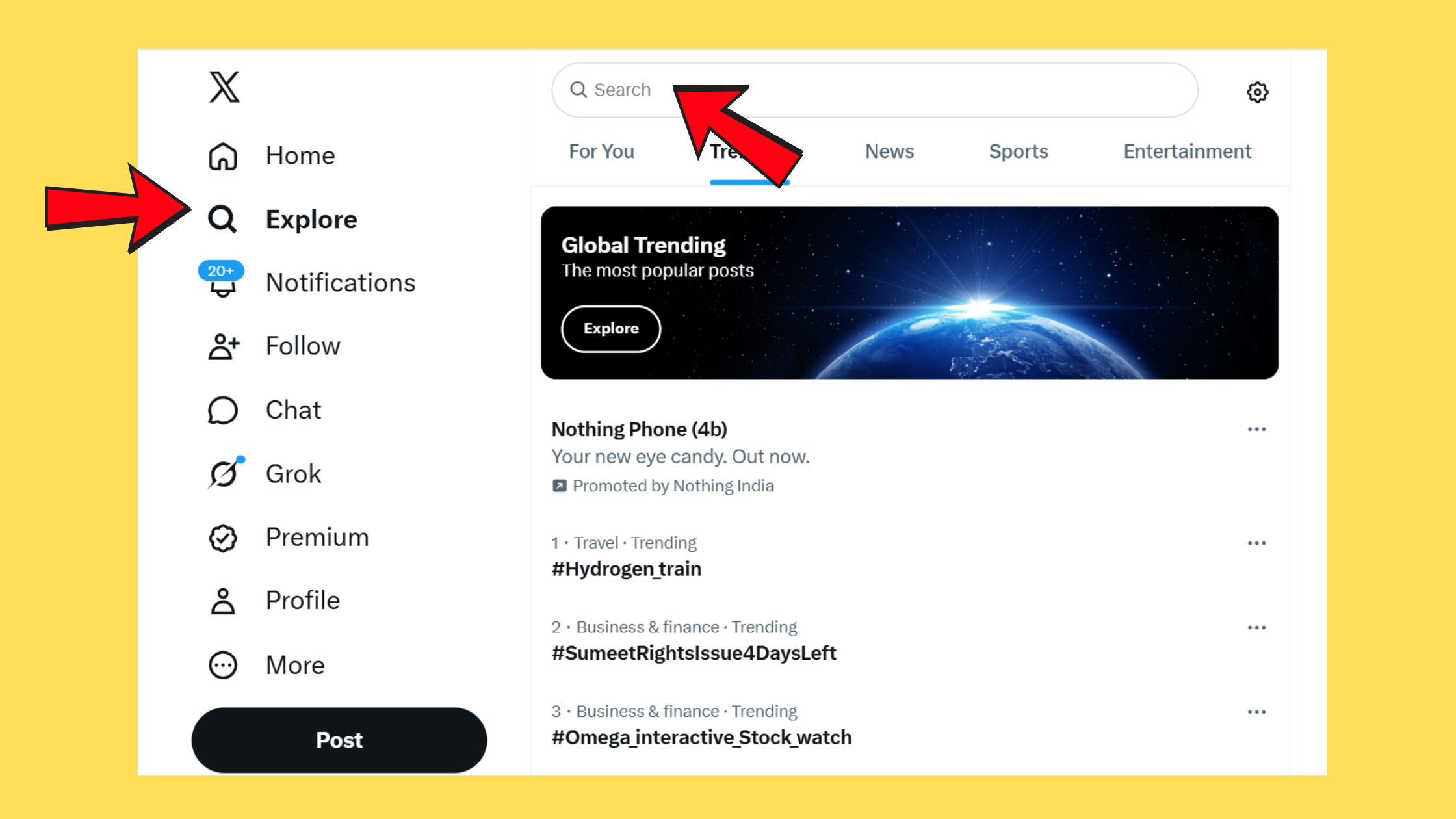
X's advanced search is underused for this purpose. Search "corporate" "lol" min_faves:500 filtered to the last 30 days — the accounts appearing in those results with consistent engagement are active, resonant, and already proven to an audience. Build a private List called something neutral (not "funny" — it shows in some notification contexts) and add accounts there. This becomes your curated follow list by topic and humor style, separate from your professional timeline.
Want your LinkedIn posts to get the engagement they deserve?
HyperClapper connects your posts with real engagement groups — real likes and comments from relevant professionals, not bots.
See How HyperClapper WorksCan Following Funny Accounts on Twitter Help Your LinkedIn Personal Brand?
Are funny Twitter accounts good for personal branding? Yes — indirectly, and in a specific way. The mechanism isn't "be funny on LinkedIn." It's calibration. Consistent exposure to tight comedic writing tunes your instincts for concision, surprise, and specificity — the same qualities that make LinkedIn posts stop a scroll. What separates top-performing LinkedIn creators from average ones is often just those writing instincts, sharpened by consuming good writing in any format.
Can following humor accounts on Twitter help with networking? It functions as low-stakes social currency. Referencing a shared funny account in a comment or cold DM ("saw you retweeted @LinkedInLunatics — same") is a more human opener than any template. Comedy is social glue across professional contexts.
The risk: Twitter humor for remote workers and tech audiences tends to run dry, sardonic, and occasionally caustic. Importing that tone wholesale into LinkedIn — where the audience skews toward sincerity and vulnerability — creates a tone mismatch that reads as arrogant rather than witty. The fix is to absorb the structure of how jokes work, not the specific register.
For creators actively building their LinkedIn presence, tools like HyperClapper help amplify content once the voice is right — connecting posts with real engagement communities so that well-crafted content actually gets seen. Strong writing without distribution is a tree falling in an empty forest. You can also explore LinkedIn features and pro tips that complement a sharper content strategy.
Common Mistakes Professionals Make When Mixing Humor Into Their LinkedIn Content
- Lifting tweet formats verbatim — a Twitter-style list post reads differently on LinkedIn where context is absent
- Punching at people instead of systems — satire of institutions lands; targeting individuals reads as petty
- Using irony without signals — LinkedIn's audience is less trained to detect dry irony than an X audience; what reads as obviously sarcastic on X can land as genuinely odd on LinkedIn
- Over-indexing on humor — one in five posts with levity is a personality signal; three in five reads as avoidance of real content
The most common failure mode is professionals discovering Twitter humor accounts, getting excited about voice, and immediately trying to replicate the style on LinkedIn before they've internalized why it works — not just what it sounds like. Absorb first. Adapt second.
Humor absorbed from Twitter doesn't show up in your LinkedIn posts as jokes. It shows up as tighter sentences, better hooks, and the confidence to end a post before you've fully over-explained it.
✓ The LinkedIn-Safe Humor Consumption Checklist
- ☐Build a private X List for humor accounts — keep them off your main timeline
- ☐Check account's last 20 posts before following — confirm it's still active and consistent
- ☐Follow at least one account per humor category (dry wit, absurdist, niche, brand satire)
- ☐Audit the List quarterly — prune accounts that have gone cold or changed tone
- ☐When absorbing a comedic format, identify the structure — not just the voice
- ☐Never cross-post a tweet-format joke to LinkedIn without adapting for the audience's sincerity baseline
Turn better LinkedIn content into real visibility
Once your voice is sharp, HyperClapper's real engagement channels make sure your posts reach the audience they deserve — no fake activity, no bots.
Start Boosting Your LinkedIn PostsFrequently Asked Questions About Funny Twitter Accounts for LinkedIn Professionals
What are the best funny Twitter accounts for people who work in corporate jobs?
The strongest accounts for corporate professionals are @LinkedInLunatics (roasts corporate LinkedIn content), @badbanana (dry observational wit), and anonymous parody accounts targeting your specific industry. Accounts that mock corporate speak and hustle culture consistently resonate because they name shared frustrations without requiring any professional risk to engage with.
Which humor accounts on X do LinkedIn professionals recommend following?
Funny Twitter accounts LinkedIn users follow most often include @LinkedInLunatics, @VCBrags (for startup/founder crowd), @Queen_UK, and @SteveMartinToGo. Recommendation threads on LinkedIn itself — search "funny Twitter accounts" in LinkedIn posts — surface community-vetted lists that reflect actual professional taste, not SEO-optimized popularity rankings.
Why do serious professionals follow funny accounts on Twitter?
Professionals follow humor accounts primarily for writing calibration, not entertainment. Regular exposure to compressed, precise comedic writing sharpens instincts for hooks, openings, and concision — skills that transfer directly to LinkedIn content. A secondary reason: comedy is a mental reset that prevents creator burnout during high-output periods.
Can following humor accounts on Twitter help with networking?
Yes, as a low-friction conversation starter. Referencing a shared funny account in a DM or comment creates an immediate human connection that no professional template can replicate. Comedy signals cultural alignment — and shared cultural references are one of the fastest paths to genuine professional rapport, especially in cold outreach contexts. Pair strong content with a tool like LinkedIn polls for lead generation to extend those conversations.
What types of comedy accounts do people in business and finance follow on Twitter?
Business and finance professionals cluster around dry wit accounts, niche comedy communities specific to their sector (fintech memes, VC culture satire, earnings-call parody accounts), and brand accounts with known comedic voices like @Ryanair. Absurdist and political satire accounts are followed less — the humor-to-professional-risk ratio is less favorable for finance audiences.
How do I keep my funny Twitter feed from hurting my professional LinkedIn presence?
Keep humor accounts in a private X List rather than following them directly — this prevents the algorithm from surfacing their content in contexts where it might appear. Never screenshot and re-share edgy humor to LinkedIn without full context. Use the content as creative input, not direct material. The guide to managing LinkedIn comments covers what to do if a humor-adjacent post attracts unexpected criticism.
What makes a Twitter account consistently funny rather than occasionally funny?
Consistent funny accounts have three things in common: a recognizable voice (you know the account before seeing the handle), a defined comedic lane they rarely abandon, and a tight posting cadence of roughly 3–7 posts per week. Accounts that chase trending topics outside their lane lose their voice within weeks and drop from must-follow to muted within a quarter.
After seeing this pattern across thousands of content creators, the observation holds: professionals who deliberately consume high-quality humor — organized by style, not just popularity — consistently produce tighter, more memorable LinkedIn content than those who rely on inspiration alone. The accounts you follow quietly shape the writer you become publicly.



