Why Dux-Soup Alone Fails: Add HyperClapper for Real Reach
Dux-Soup's outreach automation limitations explain why connections stall. See how pairing it with HyperClapper fixes the missing engagement layer.
📅 ⏱ 13 min read📝 ~2600 words
Dux-Soup automates the repetitive parts of LinkedIn outreach — connection requests, visits, and follow-up messages — but it cannot make people engage with your content once they accept. Outreach automation limitations show up exactly at that handoff point: the tool gets you a connection, but nothing forces a prospect to actually notice you afterward. A pattern observed across hundreds of Dux-Soup users is that connection acceptance climbs early, then response rates quietly decay as LinkedIn's systems start recognizing the behavior pattern.
Dux-Soup automates connection requests and messages, but it has no mechanism to generate the likes, comments, or profile visits that make a LinkedIn account look active and trustworthy.
Connection request acceptance decay is a documented pattern — response rates commonly fall as automated volume scales.
Pairing outreach automation with an engagement layer (like HyperClapper) addresses the visibility gap that pure outreach tools cannot solve.
The most counterintuitive finding: adding more connection requests often lowers your reply rate, not raises it, once LinkedIn's detection systems flag the pattern.
Best for LinkedIn creators and founders who want post visibility: HyperClapper — real engagement channels plus AI replies.
Best for sales teams needing outbound volume: Dux-Soup, but only when paired with a visibility strategy on the content side.
Post boosting, AI replies & real engagement channels
Low (real community engagement)
Freemium + paid channels
⭐⭐⭐⭐⭐ (4.6/5)
LinkBoost
Basic pod-style engagement
Medium
Paid
⭐⭐⭐☆☆ (3.0/5)
Podawaa
Automated pod engagement
Medium–High
Paid
⭐⭐⭐☆☆ (3.2/5)
Quick Answer
Best for lead generation volume → Dux-Soup — automates outbound connection requests at scale.
Best for post visibility and reach → HyperClapper — real engagement from actual people, not bots.
Best for combining both → Dux-Soup for outreach + HyperClapper for engagement, run in parallel.
Best for safety-conscious professionals → HyperClapper's Content Guard and real-community model over aggressive automation.
What Is Dux-Soup and Why It's Not Enough on Its Own in 2026
What Is Dux-Soup
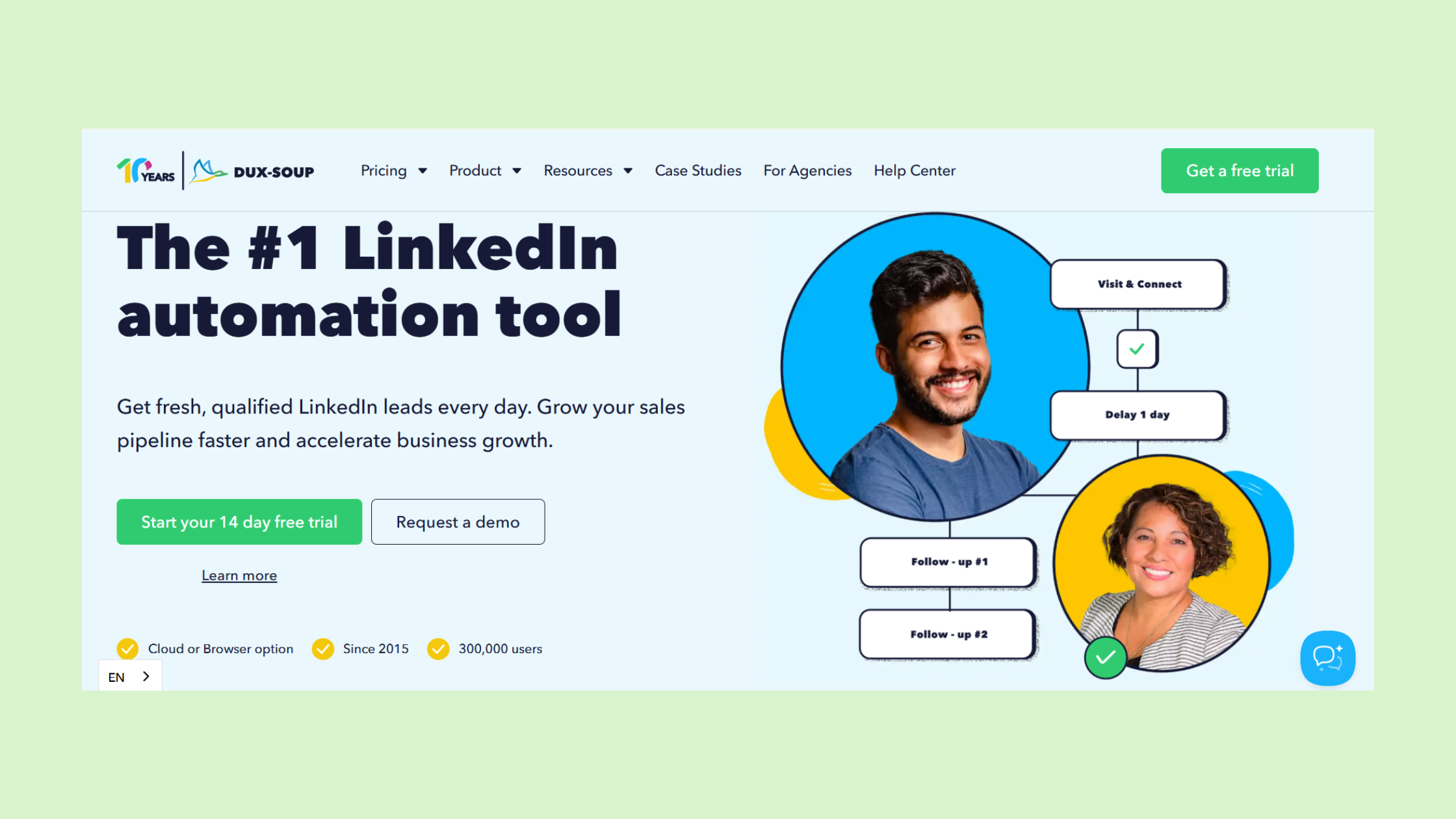
Dux-Soup is a browser extension that automates LinkedIn outreach tasks — visiting profiles, sending connection requests, and delivering scripted follow-up messages at scale. It was built for one job: volume. What it was never built to do is make your posts visible, credible, or engaging once someone lands on your profile.
What Dux-Soup Does (And Doesn't Do)
Dux-Soup handles the outbound side of prospecting well — queuing profile visits and connection requests so a sales rep doesn't have to click through hundreds of profiles manually. What it doesn't do is touch your content, your comments, or your post engagement in any way. Is Dux-Soup enough for LinkedIn lead generation on its own? In most cases, no — it generates contacts, not trust, and trust is what converts a cold connection into a reply.
Signs Dux-Soup Isn't Working for You
A recurring pattern among users trying to scale outreach is watching acceptance rates hold steady while replies quietly disappear. If you're seeing Dux-Soup not working the way it did in month one, the usual culprits are message fatigue, template detection, or a profile that looks inactive to anyone who checks it before responding. Automation handles volume — it does nothing for the visibility or credibility that convinces a stranger to actually reply.
The most common failure mode isn't a banned account — it's a perfectly active Dux-Soup campaign generating connections nobody ever replies to.
The next question is why this happens mechanically — and it comes down to how LinkedIn's systems treat repetitive automated behavior.
The Real Risks Behind Dux-Soup's Automation Approach
LinkedIn caps connection request volume aggressively because uncontrolled outbound requests are the clearest signal of bot-like behavior its systems are built to catch. LinkedIn detection algorithm patterns flag accounts based on request velocity, near-identical message templates, and unnatural browsing speed — not any single action in isolation.
Dux-Soup Connection Request Limits Explained
LinkedIn generally tolerates roughly 100-125 connection requests per week for standard accounts, and pushing meaningfully past that ceiling with automation tools raises restriction risk sharply. Dux-Soup connection request limits exist precisely because LinkedIn throttles and flags accounts that exceed natural human pacing — this is a platform-level constraint, not a Dux-Soup setting you can configure around.
⚠️
Warning:Accounts that spike connection request volume in a short window commonly trigger temporary restrictions within days — recovery can take 1-2 weeks of reduced activity before normal sending resumes.
The
Message Personalization
Every automated messaging tool hits what's best described as a message personalization ceiling — the point where variable fields (first name, company, job title) stop making a message feel human. Platform data consistently shows that messages beyond this ceiling read as templated regardless of how many merge fields are inserted, because tone and context can't be automated the same way variables can.
Connection request acceptance decay compounds this problem. Teams that scale Dux-Soup campaigns aggressively consistently see acceptance rates hold in the first 2-3 weeks, then drop as recipients' networks start seeing repeated request patterns from similar-looking profiles. This is the dominant fear inside LinkedIn automation communities — not that a single message fails, but that an entire account's trust score degrades gradually and invisibly.
According to Haus Advisors (2026), the average cold outreach response rate sits around 5.1%, with most campaigns landing between 1% and 5%. This means the majority of automated connection campaigns are already operating near the floor of viable performance before any decay sets in — leaving almost no margin once acceptance rates start slipping.
5.1%
Average cold outreach response rate — the ceiling most automation-only campaigns never clear
These risks compound the moment outreach runs without any supporting visibility strategy — which is exactly where the next gap opens up.
Why Outreach Alone Fails: The Missing Engagement Layer
Outreach without visibility fails because a cold connection request from an inactive-looking profile gives the recipient zero reason to trust it. What separates top performers here is a healthy engagement-to-outreach ratio — a rough measure of how much authentic post engagement (likes, comments, shares) an account generates relative to how many cold requests it sends.
How Engagement Signals Influence Algorithmic Reach
Authentic engagement signals
Authentic engagement signals are the likes, comments, and shares LinkedIn's algorithm uses to judge whether a piece of content — and by extension, the account behind it — deserves wider distribution. Teams that pair outbound requests with visible, active posts consistently see higher acceptance and reply rates, because the recipient can actually verify the sender is a real, active professional before responding.
According to Bearconnect (2026), automated outreach paired with strong supporting signals can reach response rates around 10.3%, roughly double the manual-only baseline. In practice, this gap is rarely closed by better message copy alone — it's closed by the recipient seeing an active, credible profile first.
Building a Multi-Channel LinkedIn Outreach Strategy
A genuine multi-channel LinkedIn outreach strategy combines outbound connection automation with inbound visibility — posts that get real engagement, comments that spark conversation, and a profile that looks active every time someone checks it. This is how to boost LinkedIn engagement with automation without tripping spam signals: automate the outbound sequencing, but keep the engagement side authentic and human-driven.
💡
Pro Tip:Post 24-48 hours before launching a new Dux-Soup connection wave — a fresh, engaged post gives every new connection something credible to see when they check your profile.
Creators who skip this step typically find their reply rates stall even when their message copy is genuinely strong, because the problem was never the copy. Now that the engagement gap is clear, the practical question becomes which tool actually closes it.
Turn connections into visible, credible activity
HyperClapper adds real engagement to your posts so every new Dux-Soup connection sees an active profile, not a quiet one.
What Is HyperClapper and How It Complements Dux-Soup
HyperClapper
What is HyperClapper used for? It's a LinkedIn engagement platform that connects users with real people inside channels — engagement groups that like and comment on posts — plus AI-generated replies and analytics, so posts stay active and visible without relying on bots or fake activity.
How HyperClapper's Channels and AI Replies Work
HyperClapper's Channels and AI Replies Work
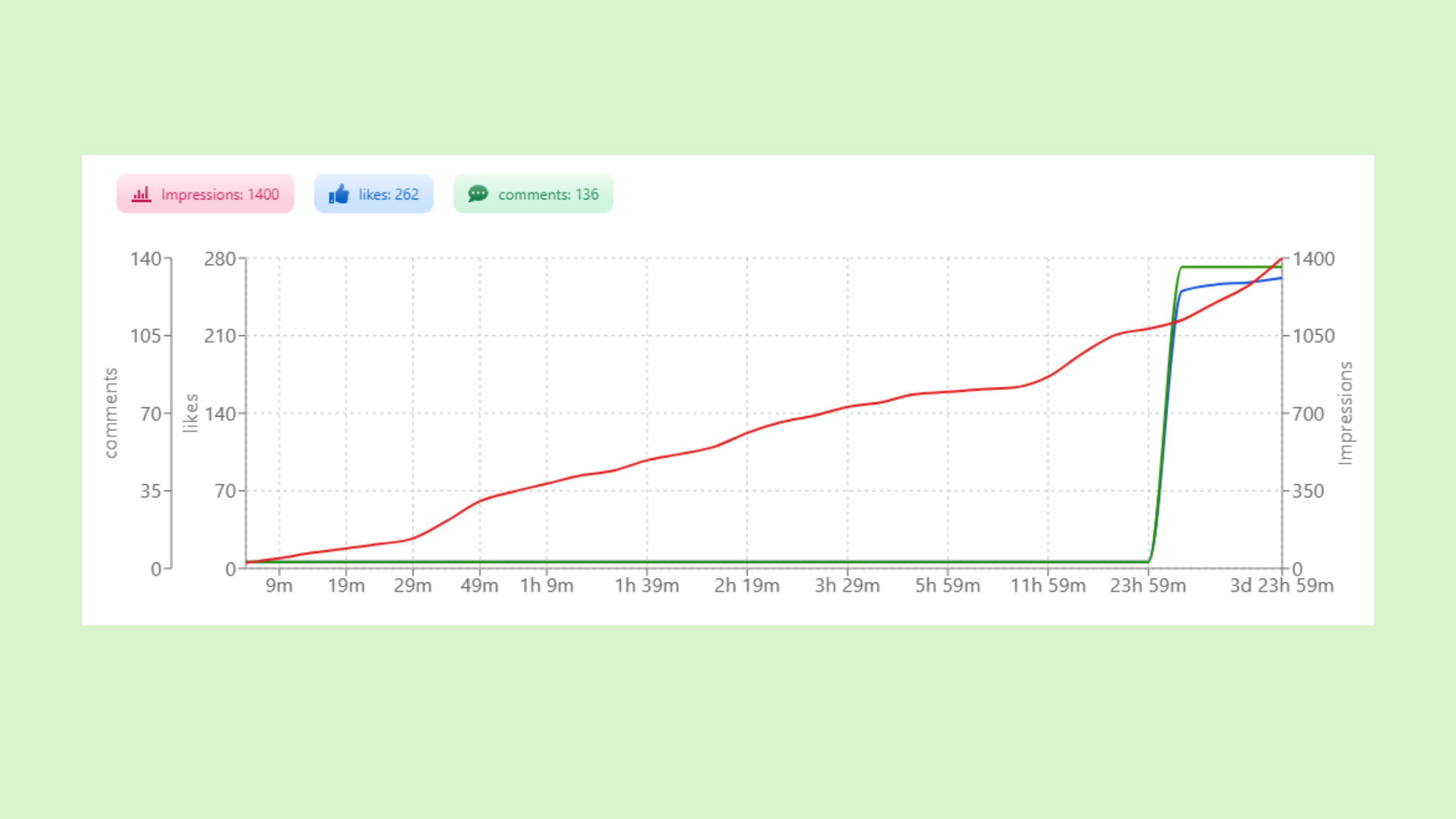
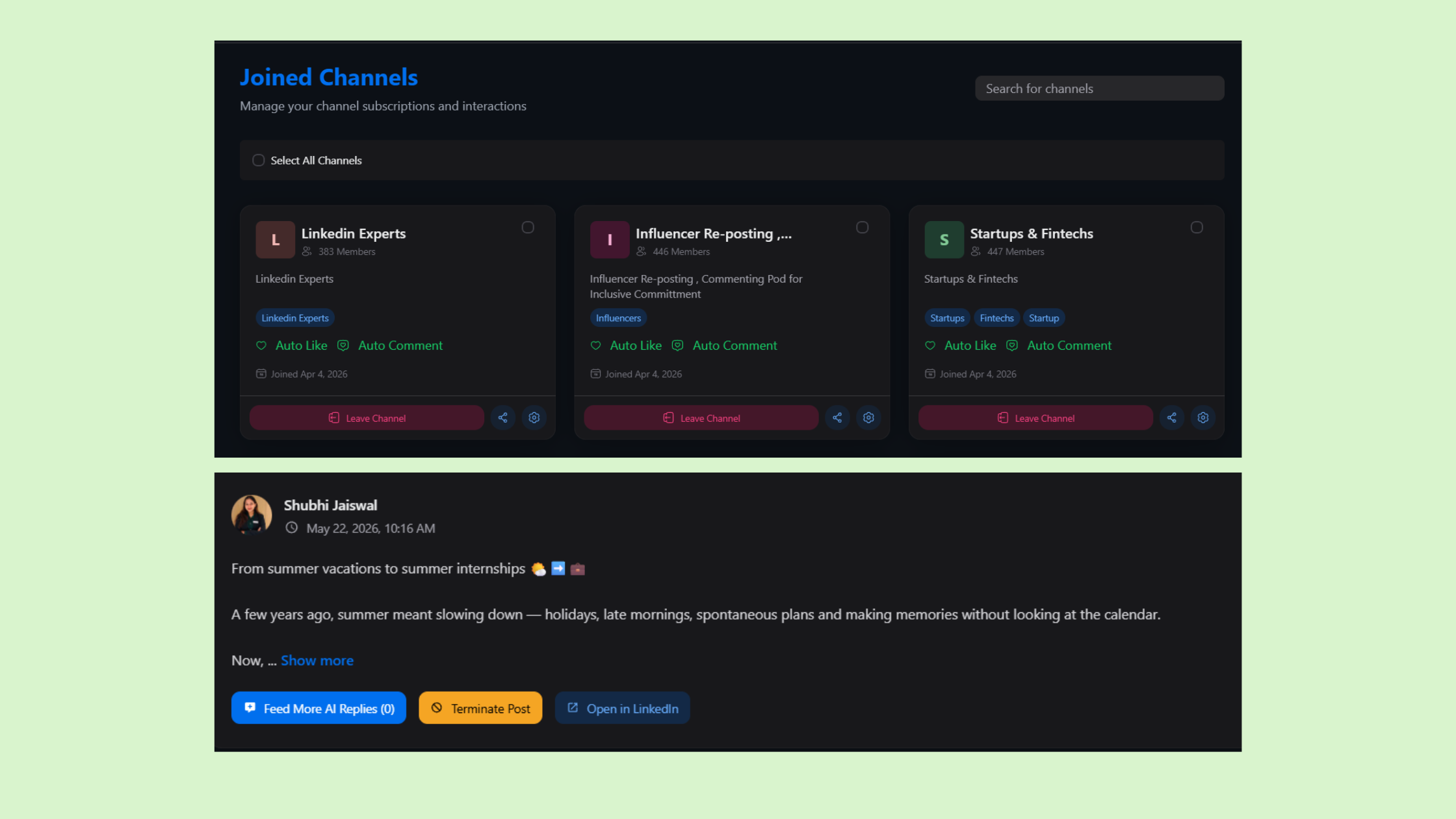
A channel is a group of real people who engage with a submitted post. One channel typically generates around 50 possible engagements, two channels around 100, and three around 150 — engagement volume that scales predictably instead of relying on unpredictable organic reach. HyperClapper's AI replies then keep the comment thread active over several days, which matters because LinkedIn's algorithm consistently rewards ongoing conversation depth over a single burst of early likes.
Pairing Dux-Soup Outreach with HyperClapper Engagement
Can you combine Dux-Soup with other tools? Yes — the two solve entirely different problems. Dux-Soup handles outbound connection volume; HyperClapper handles the visibility and credibility layer that makes those connections worth accepting and replying to. Company page boosting and company page replies extend the same effect to brand accounts, making organizational activity look consistently active rather than sporadic.
HyperClapper's Content Guard moderation system filters out risky or sensitive content — politics, hate, violence, controversial global events — before it reaches engagement channels, which keeps the safer engagement model intact rather than exposing accounts to reputational risk. This is a materially different approach from aggressive automation tools, and it's worth reading how cold LinkedIn outreach can work without automation risk when engagement and outreach are treated as separate systems.
Understanding how these two systems complement each other sets up the direct comparison — where the differences, and the shared mistakes, become clear.
Dux-Soup vs HyperClapper: Comparison, Alternatives, and Mistakes to Avoid
Dux-Soup vs HyperClapper isn't really a competition — it's a division of labor. Dux-Soup automates who you reach out to; HyperClapper determines what they see once they check you out. Teams treating these as competing tools consistently misallocate budget toward more outreach volume when the actual bottleneck is visibility.
Risk profile: Dux-Soup carries higher detection risk at scale; HyperClapper's real-community model is built around a safer engagement approach.
Output: Dux-Soup produces contacts and message sends. HyperClapper produces likes, comments, and sustained post activity.
Moderation: Dux-Soup has no content moderation layer. HyperClapper includes Content Guard.
For readers exploring Dux-Soup alternatives or scanning lists of the best LinkedIn automation tools 2026, the honest answer is that most alternatives — LinkBoost, Podawaa — solve the same outbound or pod-engagement problem Dux-Soup already solves, just with different UX. HyperClapper sits in a different category entirely, which is why it pairs with Dux-Soup rather than replacing it. For a broader look at how these categories overlap, see this comparison of LinkedIn tools for automation and outreach.
Common Mistakes When Combining Outreach and Engagement Tools
The most common failure mode observed across accounts running both outreach and engagement tools is sequencing them backward — sending a wave of connection requests before the profile has any recent engaged activity to show. A related mistake is over-automating outreach volume while treating post engagement as an afterthought, which leaves acceptance rates high but reply rates flat.
🔴
Avoid:Running a large Dux-Soup connection push while your last post is three weeks old — new connections check recent activity first, and a stale feed undercuts even well-written messages.
✓ The Outreach-Plus-Engagement Checklist
☐Keep Dux-Soup connection requests under LinkedIn's weekly threshold (roughly 100-125)
☐Publish a fresh post 24-48 hours before any new outreach wave
☐Boost that post through HyperClapper channels for real engagement before sending requests
☐Feed additional AI replies into the post over the following days to keep it visible
☐Rotate Dux-Soup message templates every 2-3 weeks to avoid pattern detection
☐Review analytics weekly to catch acceptance or reply-rate decay early
☐Enable Content Guard-style moderation before scaling company page engagement
Find a video: “Dux-Soup LinkedIn automation tutorial 2026”
Search YouTube and embed a relevant clip
↗ Search
hyperclapper.com
HyperClapper — Boost your first hour on LinkedIn
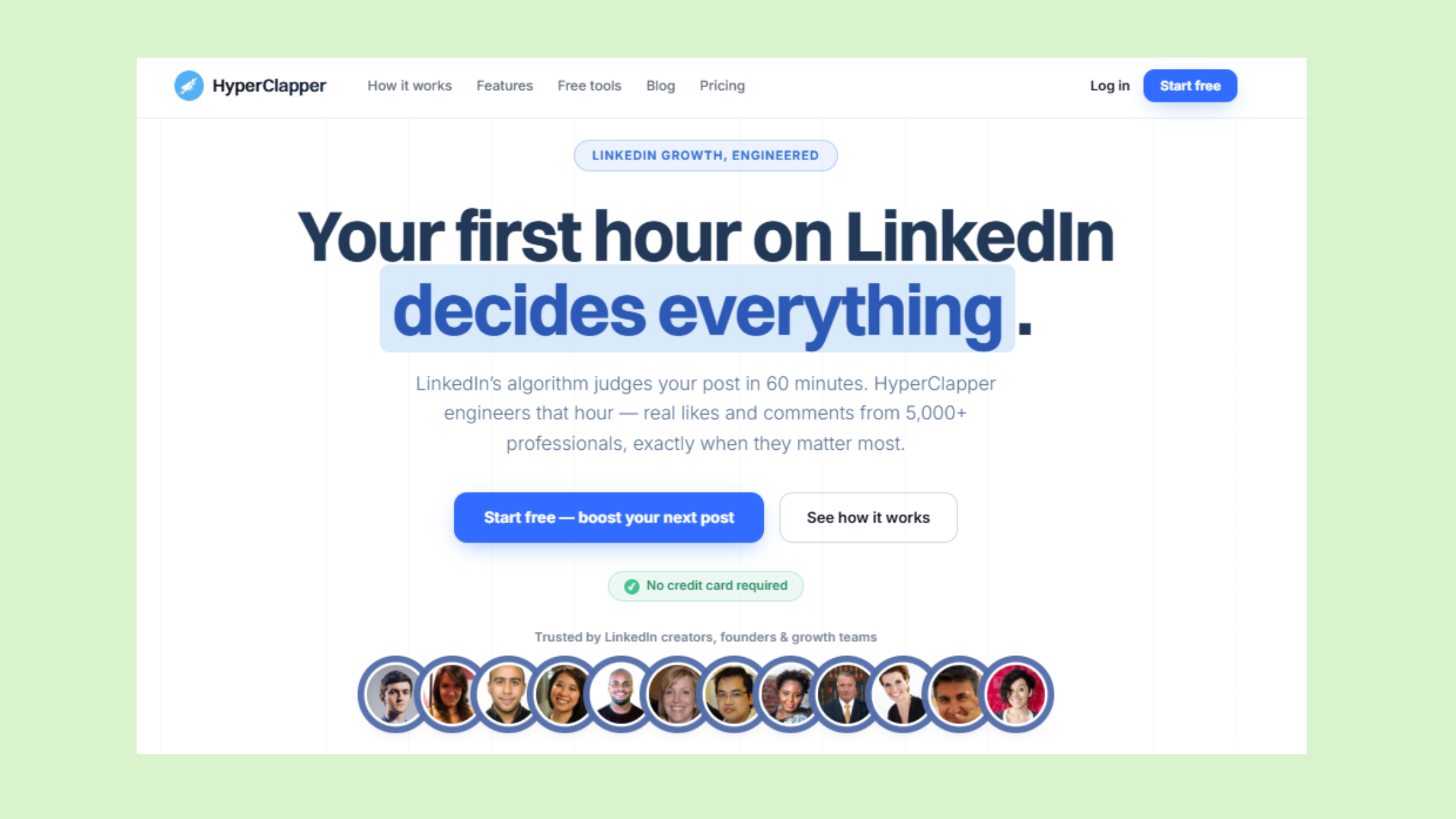
Real likes and comments from 5,000+ professionals in your post's first hour. 30M+ engagements delivered, zero ad spend.
Stop leaving reach on the table
For professionals building a personal brand, HyperClapper is the strongest complement to outreach automation because it fixes the exact gap Dux-Soup can't touch: real, visible engagement.
Frequently Asked Questions About Dux-Soup, HyperClapper, and LinkedIn Automation
Why isn't Dux-Soup giving me good LinkedIn results?
Dux-Soup automates connection requests and messages, but it can't make your profile look active or credible once someone views it. Response rates commonly stall because recipients check a stale profile before replying — the fix is pairing outreach with visible post engagement.
What tool works well alongside Dux-Soup for LinkedIn outreach?
HyperClapper works well alongside Dux-Soup because it handles engagement — real likes, comments, and AI replies on posts — while Dux-Soup handles outbound connection volume. Together they cover both sides of the credibility equation.
Is Dux-Soup alone enough to grow my LinkedIn network?
No, Dux-Soup alone typically isn't enough for sustained growth. It can generate connections, but without visible post engagement to back up your profile, acceptance and reply rates tend to decay as volume scales.
How can I increase my LinkedIn reach beyond basic automation?
Increase LinkedIn outreach reach by adding a genuine engagement layer — real comments, likes, and active conversation threads — on top of outbound automation. Platforms like HyperClapper generate this through real engagement channels rather than bots.
What are the limitations of automation?
Automation limitations include detection risk at scale, a personalization ceiling where messages start reading as templated, and no ability to generate authentic engagement signals. It handles repetitive volume well but can't build trust on its own.
What are the disadvantages of automated customer service?
Automated customer service can feel impersonal, struggles with nuanced or emotional queries, and often frustrates users who need a human judgment call. It works best for repetitive, high-volume requests — not relationship-building interactions.
Is Dux-Soup a CRM or just an outreach automation tool?
Dux-Soup is an outreach automation tool, not a full CRM. It manages connection requests and follow-up sequencing on LinkedIn, but it lacks the pipeline management, deal tracking, and reporting depth a true CRM provides.
Is outreach a good tool?
Outreach automation is a good tool for scaling repetitive prospecting tasks, but its effectiveness depends entirely on pairing it with visibility and engagement. Used alone, it commonly plateaus around industry-average response rates near 5%.
What consistently separates accounts that grow from accounts that plateau isn't which single tool they pick — it's whether they treat outreach and engagement as one connected system. Accounts that combine both see compounding reach over time; accounts that lean on outreach automation alone typically hit a ceiling no amount of extra connection requests can break through.
👋
⚡ Free plan
Leaving already?
Grab 3 free boosts on your next LinkedIn post — real likes & comments from 5,000+ creators. No card, cancel anytime.
%2520(1).png) hyperclapper.com
hyperclapper.com


