
A lempod alternative is any LinkedIn engagement platform that replicates or improves on Lempod's core mechanic — coordinating real people to like and comment on your posts — while addressing the gaps that drove users away in the first place. A pattern observed across professionals actively searching for these tools is that the switch isn't just about replacing a feature; it's about upgrading to something that works with LinkedIn's 2026 algorithm rather than against it. The two strongest contenders right now are HyperClapper and Podawaa — and they take meaningfully different approaches to the same problem.
- Who this is for: LinkedIn creators, founders, marketers, recruiters, and agencies looking to replace Lempod with a safer, more effective engagement tool.
- What you'll learn: How HyperClapper and Podawaa compare on features, AI comment quality, safety controls, and real-world use cases.
- Why it matters: LinkedIn's algorithm in 2026 rewards comment depth and reply chains — tools that only generate likes no longer move the needle.
- Counterintuitive finding: More engagement isn't always better — strategic, quality-focused boosting on your best posts outperforms blanket pod use on every update.
- HyperClapper's edge: AI-powered replies, company page boosting, and a Content Guard moderation system make it the strongest full-stack option for teams and agencies.
- Bottom line: Podawaa works for simple pod scheduling; HyperClapper is the better best lempod replacement if comment quality and account safety are priorities.
- What Is a Lempod Alternative and Why Are Professionals Searching for One?
- LinkedIn Post Engagement Tools 2026: How the Landscape Has Changed
- Hyperclapper vs Podawaa: Side-by-Side Comparison
- LinkedIn Engagement Automation: How These Tools Actually Work
- Best Lempod Replacement: Benefits of Switching
- LinkedIn Content Amplification: Risks and Limitations
- Engagement Pod Alternatives: Common Mistakes to Avoid
- Step-by-Step: How to Get Started with HyperClapper
- Frequently Asked Questions
What Is a Lempod Alternative and Why Are Professionals Searching for One in 2026?
Lempod was a LinkedIn engagement pod tool — software that coordinated groups of users to automatically like and comment on each other's posts, boosting algorithmic visibility. For a while, it worked. Then LinkedIn's detection improved, Lempod's account suspension rate climbed, and the comment quality problem became impossible to ignore: most pods generated generic, low-effort responses that fooled nobody.
The Core Problem with Lempod That Drove Users Away
The most common failure mode wasn't getting caught — it was getting diminishing returns. Lempod's comment quality degraded to the point where "Great insight!" and "Thanks for sharing!" dominated every thread. LinkedIn's algorithm, which by 2025 had begun weighting comment depth and reply chains as primary distribution signals, started treating these shallow responses as noise rather than engagement. Users kept paying, visibility kept dropping, and the tool's value proposition quietly collapsed.
A recurring pattern among LinkedIn creators trying to replace Lempod is that they initially look for a cheaper version of the same thing — then quickly realise the problem was never the price. It was the mechanics. The tools worth using in 2026 are built around real community participation and AI-assisted commenting, not click-farming.
The shift away from Lempod isn't just about finding a safer tool — it's about recognising that LinkedIn's algorithm now punishes the exact behaviour Lempod was built to automate.
This guide focuses on the two most-compared replacements: HyperClapper and Podawaa. Both are genuine engagement platforms. But they serve different needs — and the difference matters more than most comparison articles acknowledge.
LinkedIn Post Engagement Tools 2026: How the Landscape Has Changed?
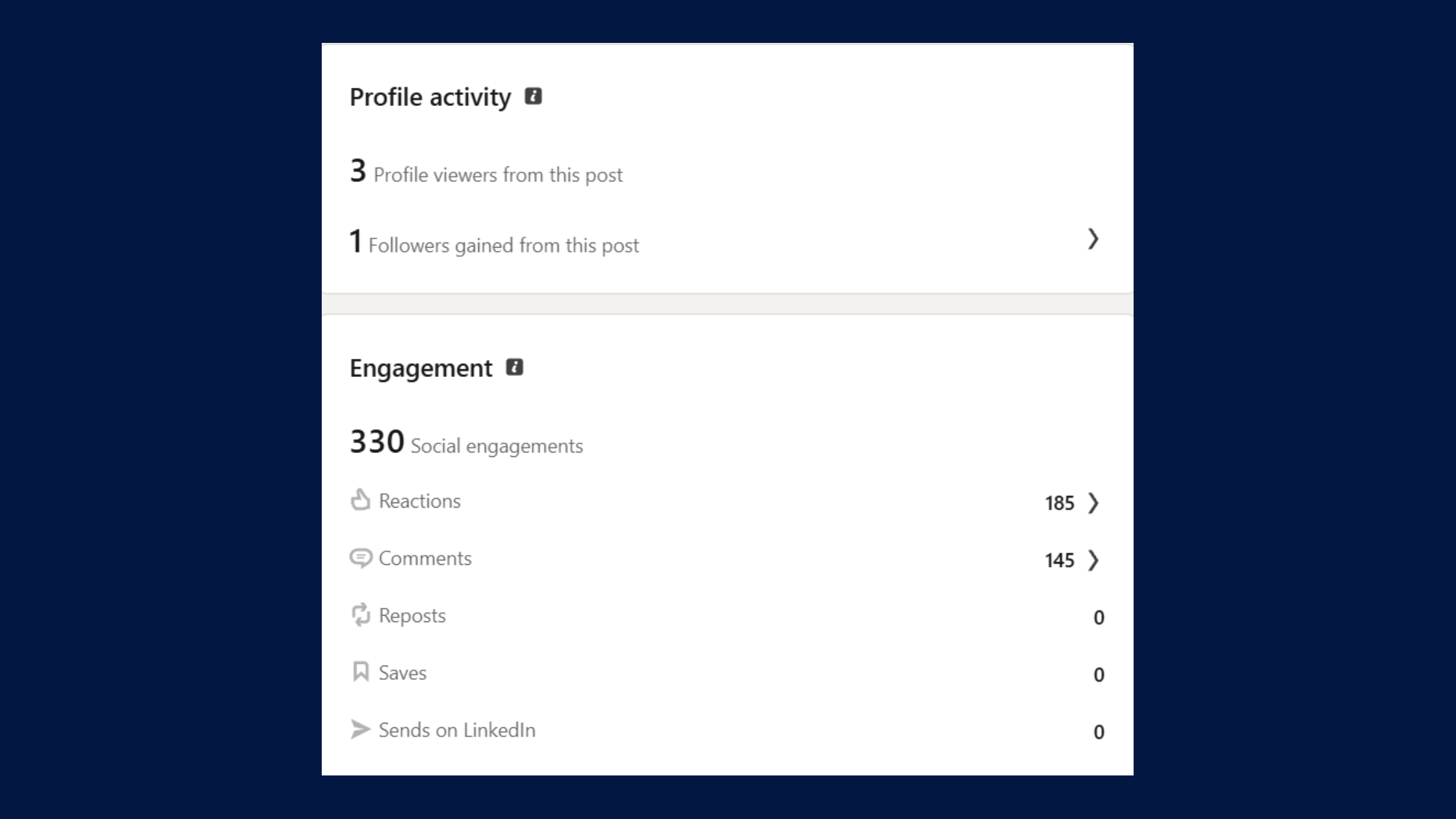
The LinkedIn post engagement tools 2026 landscape looks nothing like it did three years ago. Early pod tools were essentially voting rings — coordinated, mechanical, and easy to spot. What's available now combines real human communities with AI-powered commenting, analytics dashboards, content moderation, and channel-based targeting.
How LinkedIn Algorithm Signals Reward Community-Driven Post Amplification
Community-driven post amplification is the practice of using real, human engagement — not bots — to trigger LinkedIn's early-distribution window, signalling that a post is worth promoting to a wider audience. LinkedIn's algorithm in 2026 measures dwell time, comment length, reply chains, and profile relevance of engagers. A post with 10 thoughtful comments from relevant professionals outperforms one with 50 generic likes every time.
Teams that understand this shift prioritise comment quality over raw engagement volume. What separates top-performing LinkedIn accounts from average ones isn't the number of pods they're in — it's whether the engagement they receive looks and reads like genuine human interest. Tools that generate contextual, topic-relevant AI comments are now materially more valuable than those that don't.
For a deeper breakdown of how these tools stack up across the full market, see this comparison of the top 5 LinkedIn engagement pods — it covers HyperClapper, Podawaa, LinkBoost, Lempod, and Alcapod side by side.
Hyperclapper vs Podawaa: Side-by-Side Comparison for LinkedIn Engagement?

When comparing Hyperclapper vs Podawaa directly, the clearest distinction is depth versus simplicity. HyperClapper is a full-stack LinkedIn visibility platform. Podawaa is a pod scheduler. Both serve the same base use case — getting more eyes on your posts — but through very different mechanisms.
| Feature | HyperClapper | Podawaa |
|---|---|---|
| Engagement type | Real community + AI replies | Reciprocal pod members |
| AI comment generation | Yes — contextual, topic-matched | No |
| Company page boosting | Yes | No |
| Content moderation | Content Guard system | Limited |
| Post longevity feature | Feed More AI Replies | No |
| Analytics dashboard | Yes | Basic |
| Best for | Creators, agencies, teams | Solo users, entry-level use |
Feature Breakdown: Channels, AI Replies, and Safety Controls
HyperClapper organises engagement through channels — curated groups of real users who interact with submitted posts. One channel delivers approximately 50 possible engagements; selecting two brings that to around 100; three channels to roughly 150. This modular structure lets you scale deliberately rather than blasting every post with maximum engagement (which raises flags).

The Feed More AI Replies feature is HyperClapper's most distinctive capability. It lets users inject additional AI-generated comments into a post 24–48 hours after the initial boost — reactivating the algorithm's interest in a thread that might otherwise have gone quiet. Podawaa has no equivalent. Once a Podawaa engagement window closes, the post is on its own.
Authentic LinkedIn Visibility: Which Tool Delivers More Natural-Looking Engagement?
Authentic LinkedIn visibility is engagement that looks, reads, and behaves like genuine human interest — the kind that doesn't trigger spam detection or damage credibility with your actual audience. HyperClapper's Content Guard moderation system filters out politically sensitive, controversial, or policy-risky content before boosting — protecting both account health and brand reputation. Podawaa relies more on user discretion.
For a detailed look at how these two tools compare specifically on growth outcomes, the HyperClapper vs. Podawaa deep-dive covers head-to-head performance data.
LinkedIn Engagement Automation: How These Tools Actually Work?
LinkedIn engagement automation — in the context of pod tools — means using a platform to coordinate and trigger engagement actions (likes, comments) from real or AI-assisted sources, rather than generating them manually. The mechanics matter more than most users realise.
AI-Generated Comment Quality: Why It Matters for LinkedIn Algorithm Signals
Early pod tools failed because AI-generated comment quality was uniformly terrible. "Interesting perspective!" on a post about regulatory compliance reads as spam — to LinkedIn's classifier and to every human who sees it. HyperClapper's AI comment generation is designed to parse post content and produce contextually relevant responses, significantly reducing the generic comment problem that made Lempod notorious.
Podawaa automates scheduling of engagement windows — members agree to engage during set time slots. This works, but it depends entirely on pod members showing up. Consistency is member-dependent, not platform-guaranteed. In practice, Podawaa pods often see 30–40% drop-off in participation over time as members disengage from reciprocal obligations.
Understanding how these mechanics differ changes how you evaluate cost and ROI — which is where the question of the best replacement gets practical.
Best Lempod Replacement: Benefits of Switching to a Modern Engagement Platform?
The best lempod replacement in 2026 isn't the one that most closely mimics what Lempod did — it's the one that solves what Lempod couldn't. That means real community engagement, AI commenting that adds conversational value, safety controls that protect your account, and analytics that tell you whether any of it is working.
Who Should Use Each Tool: Use Cases by Audience Type
After seeing this across multiple LinkedIn growth use cases, the pattern is clear:
- Founders and personal brand builders: HyperClapper — AI replies keep conversation threads active and signal thought leadership depth
- Agencies managing multiple client profiles: HyperClapper — company page boosting and multi-profile channel management are essential
- Solo creators on a tight budget testing pod mechanics: Podawaa — lower entry complexity, works for validating the approach before investing further
- Recruiters and coaches: HyperClapper — profile visibility and comment quality matter for credibility-sensitive audiences
- Sales teams: HyperClapper — sustained post longevity through Feed More AI Replies keeps content in front of prospects longer
Get Real LinkedIn Engagement — Without the Generic Comments
HyperClapper connects your posts with real channel members and AI-powered replies that actually match your content.
Try HyperClapper FreeLinkedIn Content Amplification: Risks and Limitations You Should Know?
LinkedIn content amplification through pod tools sits in a grey zone: it's effective, widely used, and technically against LinkedIn's Terms of Service in its more aggressive forms. No engagement tool is risk-free. What varies is degree of exposure.
LinkedIn Policy Risks and How HyperClapper's Safety Controls Reduce Exposure
Tools that use bots, fake accounts, or browser extension scraping carry the highest risk of account restriction. Platforms like HyperClapper reduce exposure by routing engagement through real registered users — not synthetic profiles — and applying the Content Guard system to screen posts before distribution. This doesn't eliminate policy risk, but it meaningfully lowers the probability of triggering LinkedIn's inauthentic behaviour detection.
Over-reliance on engagement pods creates an artificial engagement baseline — when you stop using the tool, the drop is visible, and sudden engagement decline is itself a signal LinkedIn's algorithm notices.
The most common failure mode among heavy pod users is dependency: engagement numbers look strong while the tool is running, then collapse when it stops. Strategic use — boosting high-value posts selectively, not every daily update — produces more sustainable results and a more believable engagement profile.
These risks are manageable — but only if you approach the tool strategically, which brings us to the mistakes that consistently undermine results.
Engagement Pod Alternatives: Common Mistakes to Avoid in 2026?
Most people using engagement pod alternatives don't fail because they picked the wrong tool. They fail because they use the right tool incorrectly. The patterns repeat consistently across all platforms.
How to Use HyperClapper Strategically Without Over-Automating
The Selective Amplification Method — the framework that separates sustainable LinkedIn growth from short-term engagement inflation — comes down to four principles:
- Boost selectively. Reserve channel activation for posts that already have organic traction or strong content hooks. Amplifying weak content wastes channels and dilutes your engagement profile.

Reserve channel activation for posts - Match channels to content value. Start with 1–2 channels to test quality and response. Scale to 3 only for your highest-priority posts.
- Use AI replies to extend, not initiate. Let organic engagement start the conversation; use Feed More AI Replies 24–48 hours later to keep it alive.
- Review analytics every two weeks. Without tracking which boosted posts perform best, you cannot identify which content types deserve amplification — and your investment stays blind.
The four most common mistakes worth naming directly:
- Mistake #1 — Choosing on price alone: Cheap tools use low-quality or fake accounts that trigger spam detection faster than the money they save justifies.
- Mistake #2 — Boosting every post: Indiscriminate use produces an artificial engagement baseline that collapses when you stop and looks suspicious before you do.
- Mistake #3 — Ignoring comment quality: Generic AI comments that don't relate to post content actively damage credibility with your real audience — the one you're trying to build.
- Mistake #4 — Skipping analytics: Without measuring post-level performance, you can't refine strategy or justify the cost of the tool.
For a broader strategy context on growing LinkedIn reach without paid ads, the guide on increasing LinkedIn reach and engagement in 2026 covers organic and assisted methods together.
Step-by-Step: How to Get Started with HyperClapper as Your Lempod Alternative?

Getting started with HyperClapper takes under 10 minutes from account creation to your first boosted post. Here's the full workflow:
- Create your account at app.hyperclapper.com and connect your LinkedIn profile. The connection process uses secure OAuth — no password sharing required. (~2 minutes)
- Publish your LinkedIn post as you normally would, then copy the post URL from your LinkedIn feed. (~1 minute)
- Paste the URL into the HyperClapper dashboard and select your channel count. Start with 1–2 channels on your first post to evaluate comment quality and engagement type before scaling. (~2 minutes)
- Enable AI Replies during the setup — this triggers contextual comment generation from the platform's AI layer, supplementing community engagement with topic-relevant responses. (~30 seconds)
- Return 24–48 hours later and activate Feed More AI Replies to inject a second wave of comments, reactivating the thread and triggering a secondary algorithmic distribution window. (~1 minute)
Using Company Page Boosting for Brand-Level LinkedIn Amplification
Company page boosting is one of HyperClapper's most underused features. Most users start with personal profile posts — but agencies, B2B teams, and founders running branded content can also submit company page post URLs for channel distribution. The Company Page Replies feature additionally lets the brand account participate in conversations, making the engagement pattern look natural at the brand level, not just the personal level.
For a deeper read on the creator's guide to LinkedIn engagement automation in 2026, that resource covers both personal and company page strategies in full.
Ready to Replace Lempod with Something That Actually Works in 2026?
HyperClapper gives you real channel engagement, AI-powered replies, company page boosting, and analytics — in one platform.
Start with HyperClapper TodayFrequently Asked Questions About Lempod Alternatives and LinkedIn Engagement Tools
Is HyperClapper safe to use with my LinkedIn account?
HyperClapper is designed to minimise account risk by using real community members rather than bots and applying a Content Guard moderation layer before posts are distributed. No engagement tool is entirely without policy exposure — LinkedIn's Terms of Service restrict coordinated engagement — but HyperClapper's approach is meaningfully lower risk than tools that use fake accounts or aggressive automation scripts.
How is HyperClapper different from Podawaa as a Lempod replacement?
HyperClapper offers AI-powered comment generation, company page boosting, Feed More AI Replies for post longevity, and a content moderation system — none of which Podawaa provides. Podawaa focuses on pod scheduling with reciprocal member participation. For users who need quality commenting and brand-level engagement, HyperClapper is the stronger choice; Podawaa suits simpler, solo use cases.
Will LinkedIn detect and penalize engagement pod activity?
LinkedIn can detect patterns associated with coordinated inauthentic behaviour — particularly bot activity, fake profiles, and velocity spikes. Tools using real users with natural pacing, like HyperClapper, carry lower detection risk. The main risk isn't a single post boost; it's over-automating consistently across every post, which creates an unnaturally uniform engagement profile over time.
How many engagements can I realistically expect from HyperClapper?
Each channel delivers approximately 50 possible engagements. Selecting 2 channels yields around 100; 3 channels around 150. Actual results depend on channel activity levels and post timing. Starting with 1–2 channels and measuring response quality is the recommended approach before scaling, as this also produces a more natural-looking engagement distribution.
Can I use LinkedIn engagement tools for my company page, not just my personal profile?
Yes — HyperClapper specifically supports company page post boosting and company page replies, making it one of the few engagement platforms that extends beyond personal profiles. Podawaa does not offer this feature. For agencies or B2B brands managing LinkedIn company pages, this distinction is significant.
What types of LinkedIn posts benefit most from engagement pod amplification?
Posts with strong hooks, genuine insights, or conversation-starting questions benefit most from pod amplification — the initial engagement boost triggers wider algorithmic distribution, and quality content retains that reach. Thin updates, purely promotional posts, or content without a clear point of view tend to underperform even with boosting, because the algorithm measures dwell time and comment depth, not just engagement count.
What consistently separates LinkedIn accounts with genuine long-term reach from those that plateau — even with pod tools running — is the quality of the underlying content combined with the quality of the engagement it receives. Platforms like HyperClapper amplify content that deserves to be seen; they cannot manufacture authority for content that doesn't. The accounts that compound over time are the ones that treat engagement tools as accelerants, not substitutes, for a real content strategy.



