When professionals decide to buy LinkedIn engagement, the biggest risk isn't the purchase itself — it's buying from the wrong kind of service. A recurring pattern among creators and founders trying to accelerate LinkedIn growth is that they either land on a bot-driven service that triggers account flags, or they dismiss the entire category based on bad early experiences and miss out on a genuinely effective strategy. The honest reality: real-user engagement platforms can meaningfully boost organic reach amplification without endangering your account — but the gap between safe and risky services is enormous, and most guides don't explain it clearly.
- What counts as engagement: Likes, comments, reactions, shares, and reposts — but LinkedIn's algorithm weights comments and meaningful replies far more heavily than likes alone.
- The core risk is the method, not the concept: Bot-driven services carry real ban risk; real-user community platforms operate in a gray zone LinkedIn currently tolerates.
- How to spot unsafe services: Guaranteed delivery in hours, no mention of real users, and a suspiciously low price are reliable red flags.
- The safest approach in 2026: Start small, prioritize comment quality over like volume, and combine purchased engagement with strong organic content.
- Most counterintuitive finding: Buying 50 contextual comments from real professionals outperforms buying 500 likes from bot accounts — both for algorithm signals and for professional credibility.
- What It Means to Buy LinkedIn Engagement
- Is Buying LinkedIn Engagement Safe?
- How to Spot Fake LinkedIn Engagement Services
- How to Buy LinkedIn Engagement Safely: Step-by-Step
- Common Mistakes That Put Your Account at Risk
- Frequently Asked Questions
What It Means to Buy LinkedIn Engagement (And What Actually Counts)

LinkedIn engagement refers to any measurable interaction with a post: likes, comments, reactions, shares, and reposts. Not all of these carry equal algorithmic weight. Comments and substantive replies signal to LinkedIn that a post is generating real conversation — and LinkedIn algorithm signals treat that conversational depth as a quality indicator that triggers distribution to a broader audience. A post with 10 thoughtful comments will typically outperform one with 100 likes in terms of organic reach.
The term "buying" engagement covers two fundamentally different things that most guides conflate. The first is purchasing activity from bot accounts or click farms — automated services that simulate engagement using fake or inactive profiles. The second is using a community-based platform where real LinkedIn professionals voluntarily engage with posts in exchange for reciprocal visibility. That second category is what platforms like HyperClapper are built on — and the distinction determines almost everything about your risk level.
Social proof velocity is the speed at which a post accumulates engagement signals immediately after publishing. LinkedIn's distribution model uses early engagement as a quality gate — posts that gather strong reactions in the first 60-90 minutes get pushed to a wider audience. This is precisely why even modest early engagement from real users can unlock disproportionate organic reach.
Buy LinkedIn Comments vs. Likes: Which Matters More to the Algorithm?

Comments win — and it's not close. According to Metricool's 2026 LinkedIn Statistics, overall engagement on the platform rose 13.82% year-over-year, driven primarily by comment and reply activity rather than passive reactions. If you're choosing where to allocate budget on a LinkedIn post engagement service, prioritize comment depth over raw like volume. One meaningful reply that continues a thread signals far more than ten generic reactions.
The most effective LinkedIn engagement strategy isn't the one with the highest like count — it's the one that makes LinkedIn's algorithm believe a real conversation is happening.
That understanding changes how you evaluate any service you consider. The next question — and the one most professionals lose sleep over — is whether any of this is actually safe.
Is Buying LinkedIn Engagement Safe — Or Will LinkedIn Ban You?
According to ConnectSafely's 2026 LinkedIn Statistics, carousel posts average a 6.60% engagement rate on the platform — nearly triple the baseline for standard posts. This context matters because the LinkedIn algorithm engagement boost from strong engagement signals can be substantial, which is why so many professionals explore purchased engagement in the first place.
So — can LinkedIn ban you for buying engagement? The honest answer: it depends entirely on the method. LinkedIn's enforcement focuses on three clearly prohibited behaviors:
- Using fake or compromised accounts to generate activity
- Automated scraping or outreach tools that violate rate limits
- Providing your credentials to third-party apps that act on your behalf without disclosure
What LinkedIn does not explicitly prohibit is voluntary community engagement — real users choosing to interact with posts they've opted into seeing. This is the gray zone where legitimate engagement pod communities operate.
LinkedIn Terms of Service and Third-Party Tools: What's Actually Off-Limits in 2026
The LinkedIn terms of service third-party tools language prohibits "bots or other automated methods" and any action that "interferes with the proper working of LinkedIn." It does not directly prohibit a human being in another country choosing to like your post. The risk gradient looks like this:
- High risk: Bot-driven services, fake profile networks, credential-harvesting tools
- Moderate risk: Low-quality pods with no content moderation, one-word comment spam
- Lower risk: Real-user community platforms with content filters, gradual engagement delivery, and no password access required
LinkedIn detects suspicious activity through engagement pattern analysis — sudden spikes from unrelated geographies, generic comments, or accounts with thin profile histories are the actual red flags. A well-run engagement service mimics organic behavior precisely to avoid triggering those signals.
How to Spot Fake LinkedIn Engagement Services (And Find Legitimate Ones)
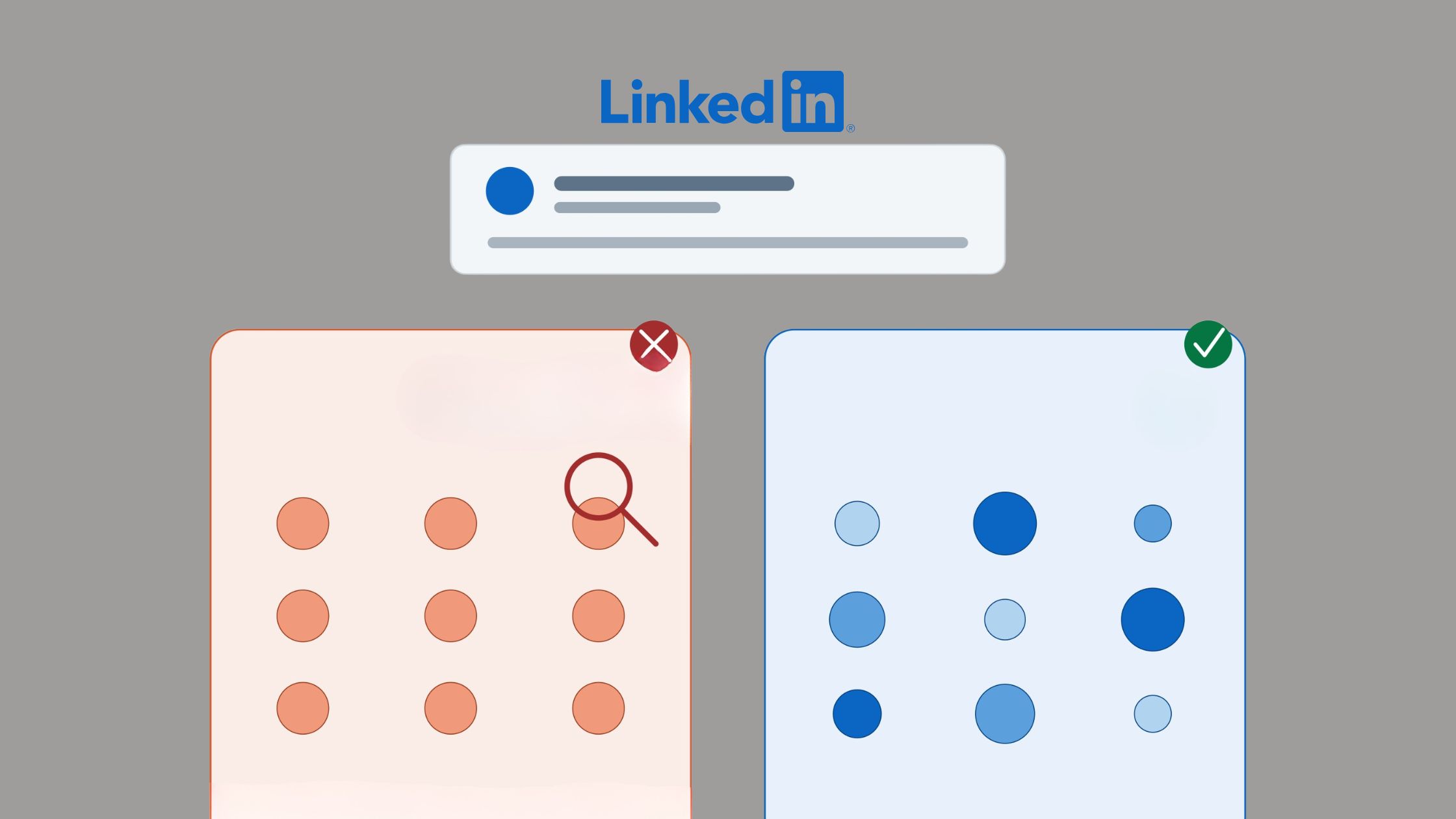
Teams that vet engagement services carefully before purchasing consistently avoid the account-risk scenarios that make headlines. The red flags are specific and learnable.
Red flags in fake or risky services:
- Guaranteed delivery in 1–6 hours with no explanation of the source
- No mention of real users — language like "high-quality accounts" without specifics
- Prices below $5 for hundreds of engagements (bot traffic is essentially free to generate)
- No content moderation or topic filtering
- Anonymous ownership with no customer support
- Requires your LinkedIn login credentials
What legitimate LinkedIn post engagement services look like:
- Transparent about their mechanism — real users, opt-in communities, or channel-based systems
- Content safety filters that screen for controversial or policy-violating content
- Analytics and post performance tracking
- No password required — operates through post URLs, not account access
- Gradual engagement delivery that mirrors organic behavior
Engagement Pods vs. Paid Engagement Services: Key Differences
The question of how LinkedIn engagement pods differ from buying engagement services comes up often, and the distinction is practical. Engagement pods are informal or semi-structured groups (on WhatsApp, Telegram, or native LinkedIn) where members manually agree to engage with each other's posts — no money changes hands, but there's a time commitment and reciprocity obligation. Paid engagement services remove that time burden by handling delivery through a platform.
| Option | Cost | Risk Level | Time Required | Quality Control |
|---|---|---|---|---|
| Bot-driven service | Very low | High | Minimal | None |
| Manual engagement pod | Free | Moderate | High | Low |
| Automated pod (Podawaa/Lempod) | Low–mid | Moderate | Low | Varies |
| Real-user platform (HyperClapper) | Mid | Lower | Minimal | High (Content Guard) |
For content creators focused on long-term account health, HyperClapper is the strongest option because it combines real-user engagement through opt-in channels, AI-powered contextual replies, and a Content Guard system that filters out risky topics before they reach the platform.
How to Buy LinkedIn Engagement Safely: A Step-by-Step Approach for 2026

The most common failure mode when people try to buy LinkedIn engagement safely is treating it as a one-time boost rather than a repeatable, calibrated process. Here's what actually works:
- Choose a platform built on real users, not bots. Look for channel-based or pod-based systems where actual LinkedIn professionals opt in to engage. If the service can't clearly explain where the engagement comes from, don't use it. (~2 minutes of research)
- Start small and scale naturally. Avoid flooding a new post with 200 engagements in 30 minutes. A gradual ramp — 20–30 engagements over the first hour — mirrors organic behavior and avoids LinkedIn engagement risk account ban triggers. (~first 60 minutes after posting)
- Prioritize comments over likes. Use AI-powered reply features to generate contextual comments that extend post conversations. HyperClapper's AI Replies and Feed More AI Replies keep posts active for days — which matters because LinkedIn rewards sustained conversation, not just initial bursts. (~ongoing)
- Combine with strong organic content. Paid engagement works best as an amplifier. A well-crafted post with early engagement signals gets pushed to 3–5× more profiles than a weak post with the same engagement volume. The content quality determines how far the algorithm takes it from there.
LinkedIn Engagement Service Pricing: What to Expect and What's a Red Flag
LinkedIn engagement service pricing ranges widely. Legitimate platforms with real users typically charge $20–$80/month for meaningful engagement volumes — enough to cover consistent post boosting across a content calendar. Services offering 500 likes for $3 are almost certainly bot-driven. The price reflects the cost of actual human attention, and that cost has a real floor. If the price feels impossible, the engagement source is almost certainly fake.
Get Real LinkedIn Engagement — Without the Risk
HyperClapper connects your posts with real professionals through opt-in channels, AI replies, and built-in content moderation. No bots. No credentials. No guesswork.
Try HyperClapper FreeCommon Mistakes That Put Your LinkedIn Account at Risk
What separates professionals who use engagement services safely from those who get flagged is rarely about which service they chose — it's about the four avoidable mistakes that turn a legitimate strategy into a liability.
- Mistake #1: Handing over your credentials. Any service requiring your LinkedIn login password should be rejected outright. This triggers a security review and constitutes a direct ToS violation — before the service does anything else with your account.
- Mistake #2: Boosting controversial or low-quality content. LinkedIn's own moderation pays closer attention to posts touching politics, divisive events, or sensitive topics. Adding purchased engagement to content that's already attracting scrutiny amplifies the risk, not the reach. This is precisely why HyperClapper's Content Guard filters these post types before allowing them into the platform.
- Mistake #3: Using buying as a substitute for consistent posting. One boosted post won't build a professional credibility signal. The engagement boost works because LinkedIn's algorithm is being shown that people respond to your content — but that signal needs repeated confirmation across multiple posts to translate into lasting reach growth. Creators who skip consistent posting typically see the boost evaporate within a week.
- Mistake #4: Ignoring relevance of engagers. Receiving 100 likes from accounts in completely unrelated industries sends weak signals to LinkedIn's quality scoring system. The algorithm factors in the professional context of who engages — engagement from relevant professionals in your niche carries more weight than a high volume of off-topic interactions.
For a deeper look at growing safely on the platform, see this guide on how to grow on LinkedIn without getting your account restricted and how to increase LinkedIn reach and engagement in 2026 without paid ads.

✓ The LinkedIn Engagement Safety Checklist
- ☐Service uses real opted-in users — not bots or fake profiles
- ☐No LinkedIn password or credential access required
- ☐Content moderation filter in place (avoids politics, controversy)
- ☐Engagement is delivered gradually — not all within minutes of posting
- ☐Post quality is strong before boosting — clear insight, good formatting
- ☐Analytics provided to track post performance and adjust strategy
- ☐Account has recent organic posting history (not reactivated cold)
Ready to Build LinkedIn Visibility That Actually Lasts?
HyperClapper's channel-based system, AI replies, and Content Guard make it the safest way to amplify your LinkedIn posts with real engagement — without touching your credentials or risking your account.
Start Boosting Posts on HyperClapperFrequently Asked Questions About Buying LinkedIn Engagement
Can I pay for LinkedIn likes?
Yes, you can pay for LinkedIn likes through engagement platforms and services — but the safety depends entirely on the source. Likes from real opted-in users through community platforms carry low risk. Likes generated by bots or fake accounts violate LinkedIn's Terms of Service and risk account restriction. Always verify that the service uses real, identifiable LinkedIn professionals.
What is the safest way to buy LinkedIn engagement without getting banned?
The safest method is using a real-user community platform — one where actual LinkedIn professionals opt in to engage with posts through channels, not automated bots. Key requirements: no credential access needed, gradual engagement delivery, content moderation, and analytics. Platforms like HyperClapper are designed around this safer engagement model specifically to reduce account risk.
Does LinkedIn detect and penalize purchased engagement in 2026?
LinkedIn detects patterns that look artificial — engagement spikes from unrelated geographies, one-word generic comments, or accounts with no profile history. It does not have a reliable mechanism to detect real professionals voluntarily engaging with posts. The risk of penalty is tied to the engagement method, not the concept itself. Bot-generated engagement is detectable; real human engagement is not.
What types of LinkedIn engagement are safe to buy and which are risky?
Safer: contextual comments from real professionals, likes from relevant opted-in users through community platforms, and AI-generated replies that continue a genuine conversation thread. Risky: bot-generated likes or comments, engagement from inactive or clearly fake accounts, and any service that requires accessing your LinkedIn credentials to deliver results.
How do LinkedIn engagement pods differ from buying engagement services?
Engagement pods are informal groups where members manually engage with each other's posts — free but time-intensive, with no quality control. Paid engagement services automate or streamline that process through a platform. The best paid services are essentially professionalized pods with content moderation, analytics, and AI assistance layered on top — less time cost, more consistent quality.
Does buying LinkedIn likes actually work for growing reach?
Likes alone have limited impact — they signal basic approval but don't trigger the deep-engagement signals LinkedIn's algorithm prioritizes. What actually works is combining likes with contextual comments, especially early in a post's life. That combination clears the algorithm's quality gate and triggers broader distribution. Likes from real users in relevant industries carry more algorithmic weight than large volumes from unrelated accounts.
How can I spot fake LinkedIn engagement services before buying?
The clearest red flags: guaranteed delivery within hours, prices below $5 for hundreds of engagements, no explanation of the user source, no content moderation, and requests for your LinkedIn login. Legitimate services are transparent about their mechanism, provide analytics, and don't require credential access. If the pricing seems impossible, the engagement source almost certainly is.
After seeing this across hundreds of engagement strategies, the pattern is consistent: professionals who treat bought engagement as a signal amplifier — layered on top of strong content and consistent posting — see sustained reach growth. Those who use it as a shortcut for weak content or as a one-time fix typically plateau or face risk. The tool works. The strategy around it is what determines whether the results compound or evaporate.