A pattern observed across thousands of LinkedIn profiles is that follower count functions as a silent credibility filter — recruiters, buyers, and collaborators form an opinion before reading a single word of your content. When professionals decide to buy LinkedIn followers, the outcome depends almost entirely on one thing: whether those followers are real, active accounts or hollow bots. Real followers support your engagement rate and compound your organic reach. Fake ones actively suppress it. This guide cuts through the confusion around what actually works in 2026 — and where the real risks lie.
- Who this is for: LinkedIn creators, founders, marketers, and companies wanting faster follower growth without account risk.
- Real vs. fake matters most: Fake followers suppress organic reach by dragging down your engagement rate — the opposite of the intended effect.
- Safest path: Real engagement communities (like HyperClapper's channel model) outperform bulk follower services for long-term authority.
- Algorithm behaviour: Sudden follower spikes from purchased bots trigger LinkedIn's anomaly detection and can reduce distribution.
- Counterintuitive finding: A 2,000-follower account with strong engagement consistently outranks a 20,000-follower account with bot-inflated numbers in LinkedIn's feed distribution.
- Bottom line: "Buy LinkedIn followers safely" is achievable — but only through services built on real users, gradual delivery, and content moderation.
What It Actually Means to Buy LinkedIn Followers (And Why People Do It)
To buy followers on LinkedIn in 2026 means something very different from what it meant five years ago. Early services sold raw bot accounts — fake profiles that inflated a number and did nothing else. Today, the market spans a wide spectrum: from low-cost bulk follower packages (still mostly bots) to real-community engagement platforms where actual LinkedIn users interact with your content in structured groups called channels.
The core appeal hasn't changed. LinkedIn's social proof problem is real: a profile with 300 followers and strong content still gets dismissed faster than a profile with 5,000 followers and average content. That's irrational, but it's consistent human behaviour. The confusion most professionals feel about whether buying followers is ethical or effective is itself a signal — it means they sense the difference between building genuine authority and gaming a vanity metric, but haven't found a clear framework for navigating the gap.
How Many LinkedIn Followers Do You Need to Be Seen as an Authority?
There's no official LinkedIn threshold, but a pattern consistently observed across high-performing professional accounts puts credible authority at roughly 1,000–5,000 followers for a personal brand, and 2,000–10,000 for a company page. Below 500 followers, many visitors subconsciously discount the profile. Above 10,000, the credibility signal diminishes unless engagement is proportionally strong.
What Happens When You Buy LinkedIn Followers
What happens depends entirely on what you buy. With bot followers: your follower count rises, your engagement rate falls (because bots don't interact), and LinkedIn's algorithm begins distributing your posts to a smaller share of your audience. With real followers from a legitimate engagement platform: your follower count grows, your posts receive genuine likes and comments, and distribution expands. The two outcomes are near-opposite — which is why the effects of buying LinkedIn followers vary so dramatically by service type.
Buy Real LinkedIn Followers vs. Fake: Why the Difference Defines Your Results

The technical distinction is straightforward: real LinkedIn followers are active accounts that can like, comment, and share — their activity sends positive signals to LinkedIn's distribution algorithm. Fake followers are inactive or bot-operated accounts that register as a number and nothing more.
LinkedIn's algorithm weights engagement rate — the ratio of interactions to follower count — when deciding how widely to distribute a post. According to ConnectSafely (2026), LinkedIn now has 1.3 billion members, meaning the platform has more than enough data to identify abnormal engagement ratios. A 10,000-follower account averaging 3 likes per post isn't just unimpressive — it actively signals low-quality content to the algorithm, which then restricts distribution further.
This 2× visibility advantage for engaged posts (consistent with LinkedIn's own distribution model behaviour) means that buy real LinkedIn followers vs fake is not a minor quality distinction — it's the entire difference between a strategy that compounds and one that quietly implodes. LinkedIn profile credibility signals — the follower-to-engagement ratio that recruiters and buyers increasingly check — punish inflated numbers harshly.
The most common failure mode when people buy LinkedIn followers isn't getting banned — it's paying to reduce their own reach by loading their audience with accounts that will never engage.
Best Sites to Buy LinkedIn Followers: What to Look for in 2026
If you're evaluating LinkedIn follower growth service reviews, filter every option through four criteria: real active users (not bots), gradual delivery pacing (not 5,000 followers overnight), content moderation to avoid policy violations, and transparent engagement metrics. According to Losgatan (2026), the most reviewed services in this space include GetAFollower, Media Mister, and SocialWick — all offering real-user options at varying price tiers. Pricing for 1,000 followers typically runs $50–$200 depending on quality, per FeedBoss (2026). The cheapest options almost always deliver bots. The principle: evaluate buy real LinkedIn followers vs fake at the service level before you spend anything.
Is It Safe to Buy LinkedIn Followers? Risks, Rules, and Red Lines
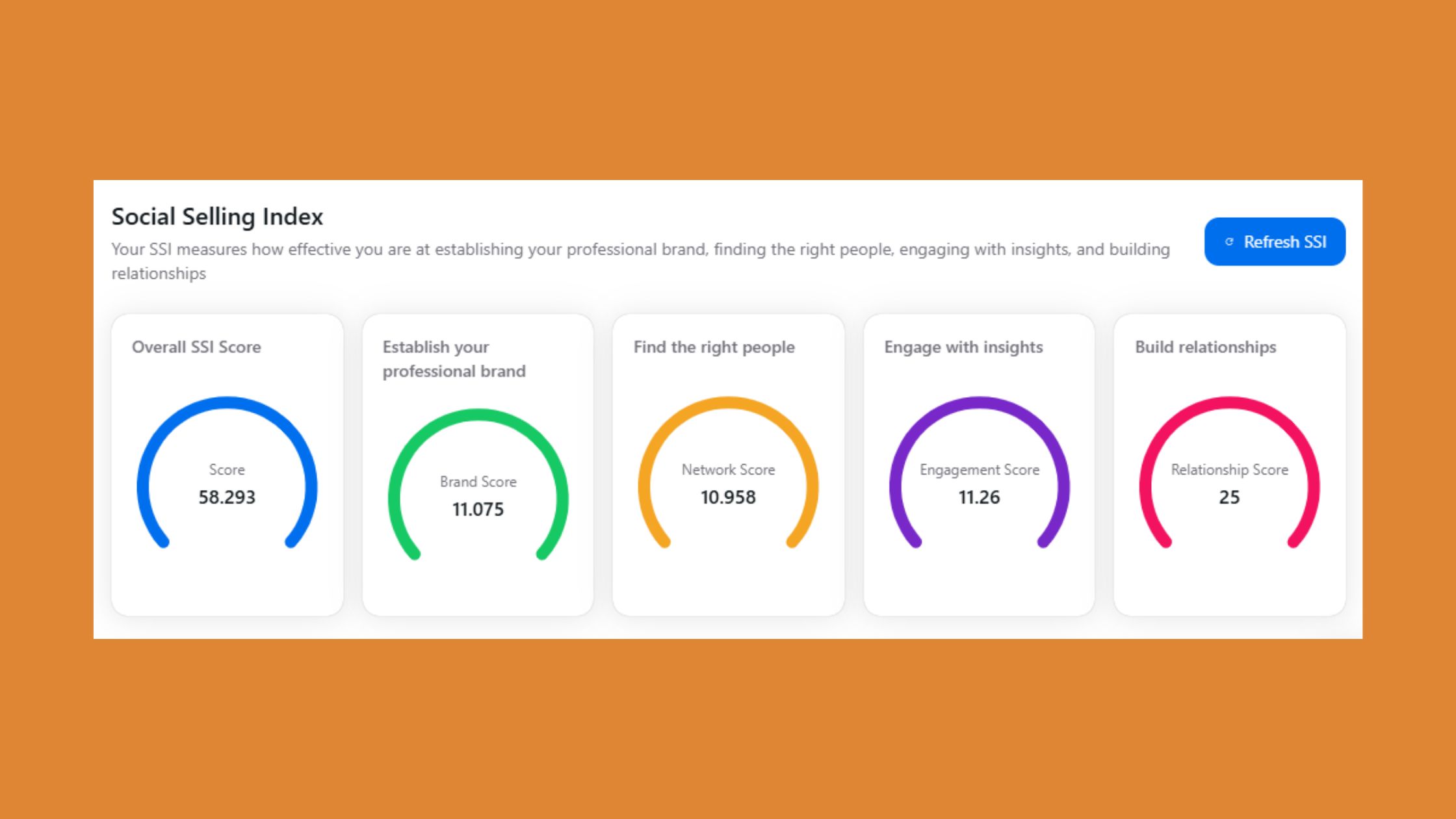
Will buying LinkedIn followers get you banned? Technically possible, but rarely the first outcome. LinkedIn's Terms of Service prohibit artificial inflation of engagement metrics, and LaGrowthMachine (2026) notes that enforcement varies significantly based on method, velocity, and the type of accounts being added. A sudden spike of 3,000 followers in 24 hours from a bulk service triggers anomaly detection. Gradual delivery through real-user engagement communities rarely does.
The more common risk isn't a ban — it's subtler damage:
- SSI score erosion: LinkedIn's Social Selling Index (a measure of profile activity quality, scored 0–100) drops when engagement rate falls, reducing your organic distribution.
- Reduced algorithmic reach: Low engagement ratios signal poor content, triggering suppression.
- Brand reputation risk: Sophisticated clients, employers, and partners check engagement-to-follower ratios — inflated numbers are increasingly detectable.
Buy LinkedIn followers safely is achievable when the service uses real users, paces delivery gradually, and includes content moderation. HyperClapper's Content Guard system, for example, screens posts for risky or policy-sensitive content before boosting — which directly reduces the chance of triggering LinkedIn's content review systems.
Common Mistakes to Avoid When Buying LinkedIn Followers
- Buying thousands of followers overnight — velocity triggers anomaly detection
- Using services with no engagement guarantee — follower count without likes/comments destroys your ratio
- Ignoring your existing engagement rate before boosting — if it's already low, adding followers makes it worse
- Buying followers for a company page without also boosting post engagement — see whether buying followers hurts your profile
How to Grow LinkedIn Followers Fast: Smarter Strategies That Build Real Authority

The fastest sustainable path to LinkedIn followers increase combines an initial credibility lift through real engagement services with a consistent organic content engine. Neither alone is as effective as both together. Teams that run both see follower growth compound — organic reach expands as engagement rate stays healthy, which then attracts more organic followers.
For increase LinkedIn followers for business, the company page playbook differs from personal brand growth:
- Employee advocacy: Employees sharing and commenting on company posts multiplies organic reach without any external service
- Company page boosting: Using a platform like HyperClapper to boost company page posts through real engagement channels generates social proof at the brand level
- Company page replies: Active comment threads on company posts signal relevance to LinkedIn's algorithm
HyperClapper's channel model structures this precisely: 1 channel ≈ 50 real engagements, 2 channels ≈ 100, 3 channels ≈ 150. That's not fake activity — it's a real community of LinkedIn users choosing to engage with relevant content. Combined with AI-powered replies that sustain conversation depth past the 24-hour window, it's one of the more structurally sound approaches to how to grow LinkedIn followers fast without manufactured metrics.
LinkedIn Profile Growth Tips That Maximize Every Follower You Gain
- Optimise your headline and about section for the niche you want to attract — followers who don't recognise your relevance won't engage
- Post consistently at minimum 3× per week — accounts that drop below this cadence see measurable algorithmic reach decay within 10–14 days
- Use LinkedIn profile growth tips like featuring posts in your profile's Featured section to convert profile visitors into followers
- Engage in comment threads on posts by accounts larger than yours — visible, substantive comments generate profile clicks from new audiences
Organic LinkedIn Engagement Strategies to Sustain Follower Momentum

Organic LinkedIn engagement strategies that compound most reliably are niche micro-community participation (commenting consistently in a specific topic area), AI-assisted reply threads that keep posts active for 3–5 days instead of 24 hours, and carousel posts — which, according to ConnectSafely (2026), average 6.60% engagement, the highest of any LinkedIn content format in 2026.
Get Real LinkedIn Engagement — Without the Bot Risk
HyperClapper connects your posts with real engagement channels and AI-powered replies to boost visibility sustainably.
Try HyperClapper FreeHyperClapper vs. Traditional Follower Services: A Practical Comparison
| Option | Follower Quality | Engagement Impact | Account Safety | Authority Outcome |
|---|---|---|---|---|
| Bulk bot services | Fake / inactive | Negative (lowers ratio) | High risk | None / harmful |
| Real follower services (geo-targeted) | Real but passive | Neutral | Moderate risk | Social proof only |
| Lempod / Podawaa pods | Real but niche-mixed | Positive short-term | Moderate risk | Limited |
| HyperClapper | Real, active users | Positive + sustained | Lower risk | Compounds over time |
What separates top performers here is the combination of real engagement and AI reply depth. Traditional follower services add a number. HyperClapper adds likes, comments, and sustained conversation threads — the signals LinkedIn's algorithm actually rewards. For content creators and professionals focused on visibility that generates real leads or career opportunities, the engagement platform model is the only approach that compounds. See a detailed breakdown in our real vs. fake LinkedIn followers impact analysis.
Who Should Use a LinkedIn Follower Growth Service (And Who Shouldn't)
Good fit: Founders building a personal brand, marketers launching a new company page, recruiters needing credibility signals, and agencies managing client LinkedIn presence. Poor fit: Profiles with no content strategy — buying followers with nothing worth reading amplifies emptiness, not authority. A proven strategy to increase LinkedIn followers always pairs social proof with content quality. One without the other stalls.
✓ LinkedIn Authority Growth Checklist
- ☐Check your current engagement rate (likes + comments ÷ followers) before buying any followers
- ☐Choose only services that deliver real active users — not bots or inactive accounts
- ☐Set delivery to gradual pacing — avoid any service that delivers 1,000+ followers in under 24 hours
- ☐Run real engagement (likes + comments) alongside follower growth to protect your engagement ratio
- ☐Post consistently at 3× per week minimum during any growth campaign
- ☐Use AI replies to sustain comment thread depth past the 24-hour engagement window
- ☐Monitor SSI score weekly — a drop signals your engagement ratio has been affected
Build LinkedIn Authority That Actually Generates Leads
HyperClapper's real engagement channels give your posts the visibility boost and conversation depth that converts followers into opportunities.
Start Growing on HyperClapperFrequently Asked Questions About Buying LinkedIn Followers
Is it legal to buy LinkedIn followers?
Buying LinkedIn followers is not illegal under any jurisdiction's law, but it violates LinkedIn's Terms of Service. LinkedIn prohibits artificially inflating engagement metrics. In practice, accounts using bot-heavy services risk restriction or content suppression. Services using real users in moderated communities carry significantly lower policy risk.
Is buying LinkedIn followers worth it?
It depends entirely on the service. Buying real followers from a legitimate engagement platform is worth it as a credibility baseline — the social proof effect is real. Buying fake bot followers is not worth it: it damages your engagement ratio, suppresses organic reach, and produces zero professional benefit. The question to ask is: will these followers ever engage?
Can you pay to get more LinkedIn followers?
Yes. LinkedIn itself offers paid promotion options through buy LinkedIn premium and sponsored content campaigns that increase profile and page visibility to targeted audiences. Third-party engagement platforms like HyperClapper offer channel-based post boosting. Both are legitimate paid routes. Bulk follower purchase services also exist but carry meaningfully higher risk to account health.
What are the safest ways to buy LinkedIn followers without risking my account?
The safest approach is to use a real-community engagement platform — not a bulk follower service. Look for gradual delivery, real active users, and content moderation. Avoid services delivering thousands of followers overnight. Platforms like HyperClapper that use moderated channels with real users are designed to minimise account risk while generating genuine engagement signals.
Can buying LinkedIn followers actually help build professional authority?
Yes — when the followers are real and accompanied by genuine engagement. A higher follower count increases the probability that new visitors take your profile seriously. But follower count alone doesn't build authority. LinkedIn authority building strategies that compound require real engagement (comments, shares, replies) alongside social proof numbers. Followers without engagement signal an empty room.
How do LinkedIn's algorithms respond to sudden follower spikes from purchased followers?
LinkedIn's algorithm detects anomalous growth patterns. A sudden spike of thousands of followers with no corresponding engagement increase triggers what the platform treats as inauthentic behaviour. The practical result is reduced post distribution — the algorithm shows your content to a smaller percentage of your audience. Gradual, engagement-accompanied growth avoids this response almost entirely.
What is the difference between buying LinkedIn followers and growing them organically?
Organic LinkedIn engagement strategies build followers through content quality, consistency, and community interaction — slower but with higher-intent followers who actively engage. Buying followers accelerates the social proof baseline but requires real engagement alongside it to avoid ratio damage. The most effective personal brand growth on LinkedIn combines both: purchased credibility lift plus organic content engine running simultaneously.
Why is my LinkedIn follower count not growing?
The most common causes: posting fewer than 3× per week (triggering algorithmic reach decay), content that doesn't invite engagement (no question, no strong opinion, no useful data), or a weak profile headline that fails to signal relevant expertise to visitors. A recurring pattern among creators struggling with stalled growth is underestimating how much the first 90 minutes after posting determine total reach for that post.
What consistently separates LinkedIn accounts with real professional authority from accounts with impressive follower numbers is not any single tactic — it is the combination of social proof, genuine engagement, and consistent content. Accounts that maintain all three see compounding reach. Accounts that rely on inflated follower counts without the other two typically plateau and then decline.