
A pattern observed consistently across thousands of LinkedIn accounts is this: the professionals who earn the top voice LinkedIn badge are rarely the ones posting every day. They are the ones whose posts generate real conversation — comments from credible peers, saves from engaged professionals, and contributions that establish them as the go-to expert in a defined niche. Posting frequency is a tactic. Topical authority is the strategy. Confusing the two is exactly why most people never close the gap.
- There are two distinct Top Voice badges on LinkedIn — editorial (hand-picked by LinkedIn) and community (earned via Collaborative Articles) — and most people are chasing the wrong one.
- Daily posting can actively suppress your reach when early engagement rates are low — LinkedIn's algorithm throttles high-frequency, low-resonance accounts.
- The community Top Voice badge is awarded to the top 5% of contributors in a Collaborative Articles category by likes on their contributions.
- Posting 2–3 times per week with deep engagement on others' content consistently outperforms daily posting with minimal interaction.
- The most underused path to the badge is LinkedIn Collaborative Articles — most professionals don't know it exists or dismiss it as low-value.
- Engagement depth — comments, saves, and replies — signals expertise to LinkedIn far more than raw post volume.
What Is a LinkedIn Top Voice (and Why So Many People Are Confused About It)
The confusion here is genuine — and understandable. LinkedIn Top Voice actually refers to two separate programmes, and professionals routinely conflate them, which leads to months of wasted effort chasing the wrong path.
- Editorial Top Voice: Awarded by LinkedIn's editorial team to selected experts, leaders, and creators across industries. It is not something you apply for — LinkedIn nominates you. The May 2026 LinkedIn Top Voices class shows the calibre: industry-leading thinkers with demonstrated public credibility.
- Community Top Voice (via Collaborative Articles): This badge is earnable. It is awarded to the top 5% of contributors in a specific Collaborative Articles category, based on the likes their contributions receive. According to a documented practitioner account, it is possible to earn within 30 days with under 1,000 followers — but only if you contribute consistently in one focused niche.
What separates top performers here is that they understand which badge they are targeting before they start — and they reverse-engineer their strategy accordingly.
Does the LinkedIn Top Voice Badge Still Exist in 2026?
Yes — but the goalposts have shifted. Analysis of the May 2026 Top Voices lists across multiple countries confirms a clear strategic shift in how LinkedIn selects editorial badge holders. Audience size is no longer the primary signal. Data pulled from the May 2026 batch shows a median follower count of just 20,062 among badge holders — meaning half the cohort had fewer than that. The badge still exists, but it now rewards depth of expertise over breadth of reach.
To put that in perspective: according to a widely cited LinkedIn analysis, out of roughly 1.2 billion LinkedIn members globally, only around 0.001% ever receive the Top Voice badge. That is a rare credential — but the community path via Collaborative Articles makes it significantly more accessible than most professionals realise.
Why Posting Every Day on LinkedIn Can Actually Hurt Your Reach
Most professionals asking "why is my LinkedIn content not getting views?" are looking at the wrong variable. The answer is almost never posting frequency — it is engagement depth.
LinkedIn's distribution model works in stages: your post is first shown to a small slice of your first-degree connections. If that initial group engages meaningfully — comments, saves, shares — the algorithm expands distribution. If they scroll past it, reach is throttled. When you post daily, you repeatedly draw on the same first-degree pool. Over time, those connections habituate to your content and engage less on each post. LinkedIn reads that declining engagement rate as a signal of low quality, and your reach shrinks — even if your content is objectively better than it was six months ago.
The real risk of posting too much on LinkedIn is not running out of ideas — it is training your audience to ignore you, one mediocre post at a time.
The question of LinkedIn engagement vs posting frequency is not even close. Posts with 10–50 comments sit in the sweet spot for visibility — LinkedIn's algorithm now explicitly favours mutual engagement networks, where conversations flow between credible professionals in a defined niche. That is a fundamentally different goal than posting something every morning.
What Type of LinkedIn Posts Get the Most Engagement in 2026
Based on engagement patterns observed across high-performing LinkedIn accounts, the formats that consistently drive comments and saves are:
- Contrarian takes backed by specific professional experience — not opinion, but informed disagreement with a prevailing norm
- Frameworks and frameworks-with-examples — a named, repeatable approach readers can apply and share
- Transparent lessons from failure — specificity matters; vague "I learned so much" posts collect likes, not conversations
- Niche industry insights with a clear point of view, written for a defined professional audience rather than the broadest possible readership
Broad, feel-good content drives vanity metrics. Specific, niche content drives the engagement signals that matter for LinkedIn thought leadership and Top Voice recognition alike.
How to Become a LinkedIn Top Voice: The Strategy That Actually Works
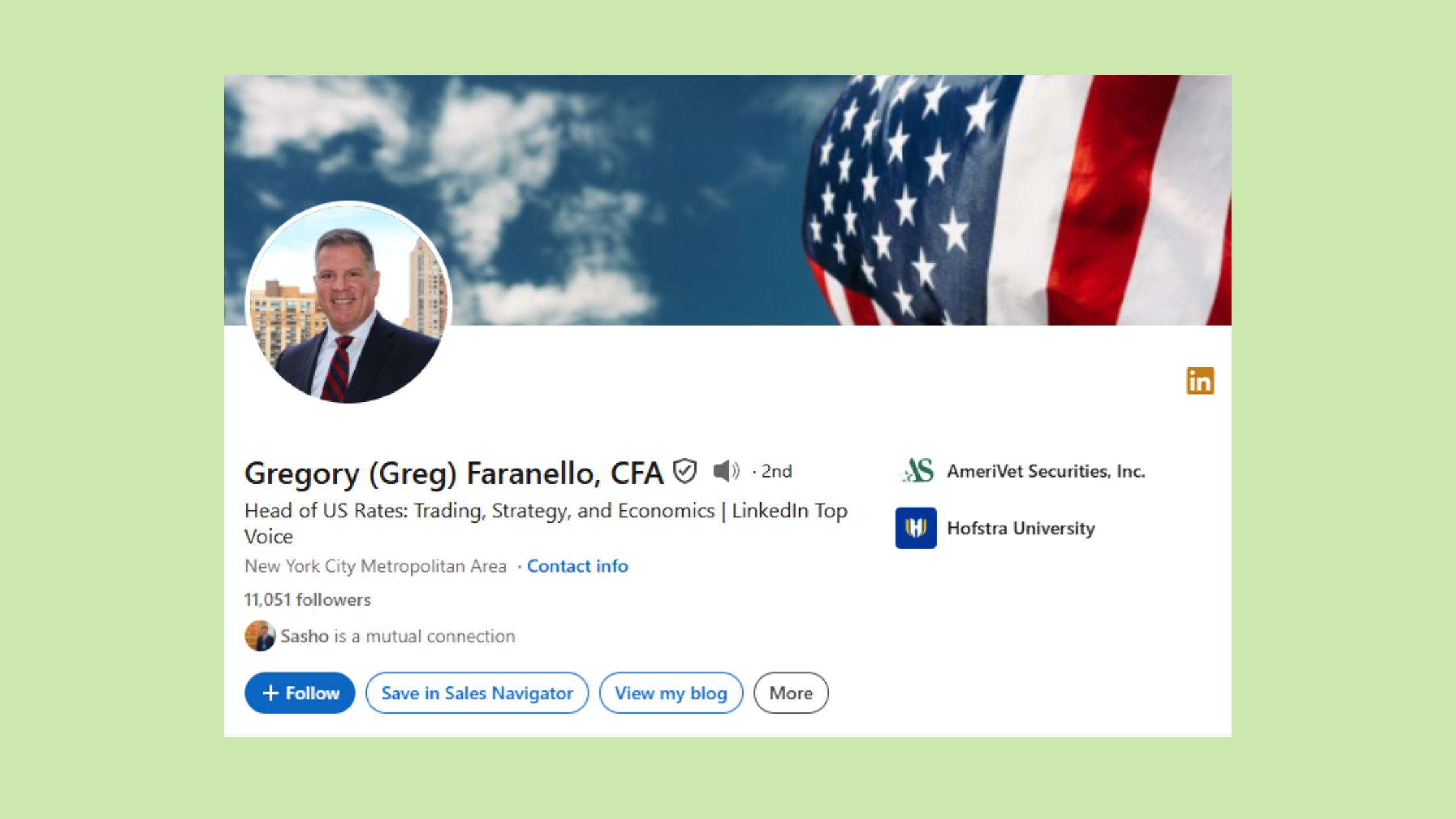
Here is what it actually takes to become a LinkedIn Top Voice — and why most published guides get this wrong by focusing on posting cadence instead of the signal stack LinkedIn actually measures.
The Top Voice Signal Stack:
- Niche authority signal — Every post, comment, and contribution should reinforce a single professional domain. Switching topics confuses both the algorithm and your audience.
- Engagement quality — Comments from credible professionals in your niche carry more weight than likes from a broad, disconnected audience.
- Profile completeness — LinkedIn's systems surface credible accounts. A complete, keyword-rich profile in a defined niche is the foundation everything else builds on.
- Collaborative Articles contributions — This is the most direct, most underused path to the community Top Voice badge.
LinkedIn Content Strategy That Actually Works: Quality Over Cadence
A LinkedIn content strategy that actually works for Top Voice recognition looks like this in practice: publish 2–3 posts per week maximum, engage meaningfully on 5–10 posts from respected peers in your niche every day, and contribute expert-level answers to Collaborative Articles in your category at least 3 times per week.
LinkedIn collaborative articles are AI-generated discussion prompts on professional topics where members contribute expert commentary. LinkedIn then surfaces the most liked contributions. The community Top Voice badge in a category is awarded automatically when your contributions consistently rank in the top 5% for likes. Many professionals overlook this entirely — which is exactly why it remains one of the most accessible routes to the badge for people building their presence from scratch.
How Engagement Platforms Like HyperClapper Support Your Top Voice Strategy
The core challenge in any Top Voice strategy is the cold-start problem: your posts need meaningful early engagement to earn distribution, but distribution is how you build the audience that provides engagement. It is a circular dependency that holds back even strong content.
Tools like HyperClapper are built to help break that loop — not by faking engagement, but by connecting your posts with real professionals inside structured engagement channels. Each channel provides genuine likes and comments from relevant users, giving your content the early engagement signal it needs to trigger LinkedIn's distribution engine. The platform also generates AI-powered replies that keep conversations active and deepening — which matters because LinkedIn rewards meaningful discussion, not just initial reactions. For creators serious about building LinkedIn influence, that early momentum is often the difference between a post that plateaus and one that compounds.
Get the Early Engagement Your Posts Actually Need
HyperClapper connects your content with real professionals who engage — giving LinkedIn's algorithm the signal to distribute your posts further.
See How HyperClapper WorksCommon Mistakes That Keep Professionals from Earning the Top Voice Badge
Teams that audit their LinkedIn strategy honestly almost always find the same four failure patterns — and fixing even two of them tends to produce visible reach improvements within a month.
- Treating LinkedIn like Twitter. High-frequency short-form updates dilute your niche authority signal and train LinkedIn's algorithm to see you as a generalist. The platform rewards depth, not velocity.
- Optimising for likes over comments and saves. Broad, feel-good content drives vanity metrics. The engagement signals LinkedIn uses to surface expert content — and identify Top Voice candidates — are comments and saves from credible professionals in your niche, not total like counts.
- Inconsistent niche focus. Switching topics week to week undermines the topical authority LinkedIn rewards. A post about leadership followed by one about travel photography followed by one about sales tools reads as a generalist account — and generalists do not earn expert recognition badges.
- Skipping the comment strategy. A recurring pattern among professionals trying to grow on LinkedIn is investing everything in original posts while barely engaging with others' content. Meaningful comments on posts from respected peers in your niche build reciprocal relationships and expand your visibility to their audiences — often faster than your own posts do.
For a deeper look at how engagement tools compare in supporting a sustainable LinkedIn growth strategy, see this comparison of the top LinkedIn engagement pods — including how HyperClapper, Podawaa, Linkboost, Lempod, and Alcapod differ in approach and risk profile.
✓ LinkedIn Top Voice Readiness Checklist
- ☐Profile is 100% complete with a niche-specific headline and rich About section
- ☐Posting 2–3 times per week in one defined professional niche
- ☐Contributing to LinkedIn Collaborative Articles at least 3 times per week in one category
- ☐Leaving substantive, specific comments on 5–10 peer posts daily
- ☐Tracking which posts generate comments and saves — not just likes
- ☐Early engagement signal on new posts is supported (organically or via a real-engagement platform)
Frequently Asked Questions About LinkedIn Top Voice
What is a Top Voice on LinkedIn?
A LinkedIn Top Voice is a badge awarded to recognised experts and creators on the platform. There are two types: an editorial badge, hand-picked by LinkedIn's team for industry leaders; and a community badge, earned by contributing to LinkedIn Collaborative Articles and ranking in the top 5% of contributors by likes in a specific category.
How do you get the Top Voice badge on LinkedIn?
For the community Top Voice badge — the one most professionals can actively pursue — contribute consistently to LinkedIn Collaborative Articles in one focused category. The badge is awarded to the top 5% of contributors by likes on their answers. Specific, opinionated, experience-based contributions earn far more likes than generic responses.
How many people have the LinkedIn Top Voice badge?
According to a widely cited LinkedIn analysis, fewer than 0.001% of LinkedIn's approximately 1.2 billion members hold the Top Voice badge. Data from the May 2026 cohort shows that median follower counts among badge holders sat at just over 20,000 — meaning audience size alone is not the determining factor.
Does LinkedIn Top Voice still exist?
Yes, both badge types still exist in 2026. LinkedIn continues its quarterly editorial Top Voices programme — the May 2026 class was announced on LinkedIn News — and the community badge via Collaborative Articles remains active. The selection criteria have evolved, with LinkedIn placing less emphasis on follower counts and more on demonstrated niche expertise.
Why doesn't posting every day on LinkedIn get me more followers?
Daily posting without meaningful early engagement trains LinkedIn's algorithm to suppress your reach. The platform tests each post with a small slice of your first-degree connections first — if they don't engage deeply, distribution stops there. Posting less but earning 10+ comments per post consistently outperforms daily posting with minimal interaction.
What actually makes someone a LinkedIn Top Voice if not posting frequency?
Topical authority in a defined niche, high-quality engagement from credible professionals, and consistent contributions to LinkedIn Collaborative Articles. LinkedIn's editorial team looks for demonstrated expertise and real community impact — not post streaks. The median follower count among May 2026 badge holders was around 20,000, confirming that reach alone does not decide it.
Is it better to post less but higher quality content on LinkedIn?
Yes — consistently. Posts with 10–50 substantive comments significantly outperform high-frequency posts with low engagement in LinkedIn's algorithm. Two or three well-crafted posts per week, each generating real professional conversation, build authority faster and more durably than daily posting at lower resonance.
How does the LinkedIn algorithm decide who gets featured as a Top Voice?
For the community badge, it is purely contribution-based: the top 5% of contributors in a Collaborative Articles category by likes on their answers automatically receive the badge. For the editorial badge, LinkedIn's team reviews credibility signals, niche expertise, professional track record, and real community impact — follower count is one input, not the deciding factor.
What consistently separates accounts that earn real recognition on LinkedIn from accounts with impressive follower numbers is not any single tactic — it is the combination of niche focus, engagement depth, and strategic use of Collaborative Articles. Accounts that align all three see compounding authority. Accounts that rely on posting frequency alone typically plateau, regardless of how good their content gets. If you want to see how real early engagement support fits into that picture, explore how HyperClapper compares to the leading LinkedIn engagement tools — and why the approach matters as much as the tool.



