
A pattern observed across thousands of LinkedIn profiles is that the recommendation section is simultaneously the most powerful credibility signal on the page — and the most commonly mishandled. LinkedIn recommendation mistakes don't just waste a colleague's goodwill; they can actively undermine your professional credibility with the recruiters and clients who read them most carefully. According to Software Oasis (2025), profiles with recommendations receive 14 times more profile views than those without. This means a single well-crafted recommendation does more for your visibility than weeks of profile tweaks. Get them wrong, though, and they signal exactly the wrong thing.
- Profiles with recommendations get 14x more profile views — but only if those recommendations are specific and credible.
- Generic praise ("great to work with," "highly recommend") actively damages your social proof — it signals the recommender barely knew you.
- The ideal recommendation is 100–300 words, follows a Problem–Action–Result structure, and closes with a forward-looking endorsement.
- Sending LinkedIn's default request template is one of the biggest etiquette mistakes — always personalise with context and talking points.
- Reciprocal recommendations aren't automatically bad, but a profile where every recommendation is mutual reads as a praise-swap network.
- Recommendations work best when combined with consistent content and real post engagement to keep your profile visible.
- Why LinkedIn Recommendations Matter More Than You Think in 2026
- What Makes a Bad LinkedIn Recommendation
- How to Write a LinkedIn Recommendation That Actually Gets Read
- Asking for a LinkedIn Recommendation Without Making It Awkward
- Boosting Your LinkedIn Social Proof Beyond Recommendations
- Frequently Asked Questions About LinkedIn Recommendation Mistakes
Why LinkedIn Recommendations Matter More Than You Think in 2026
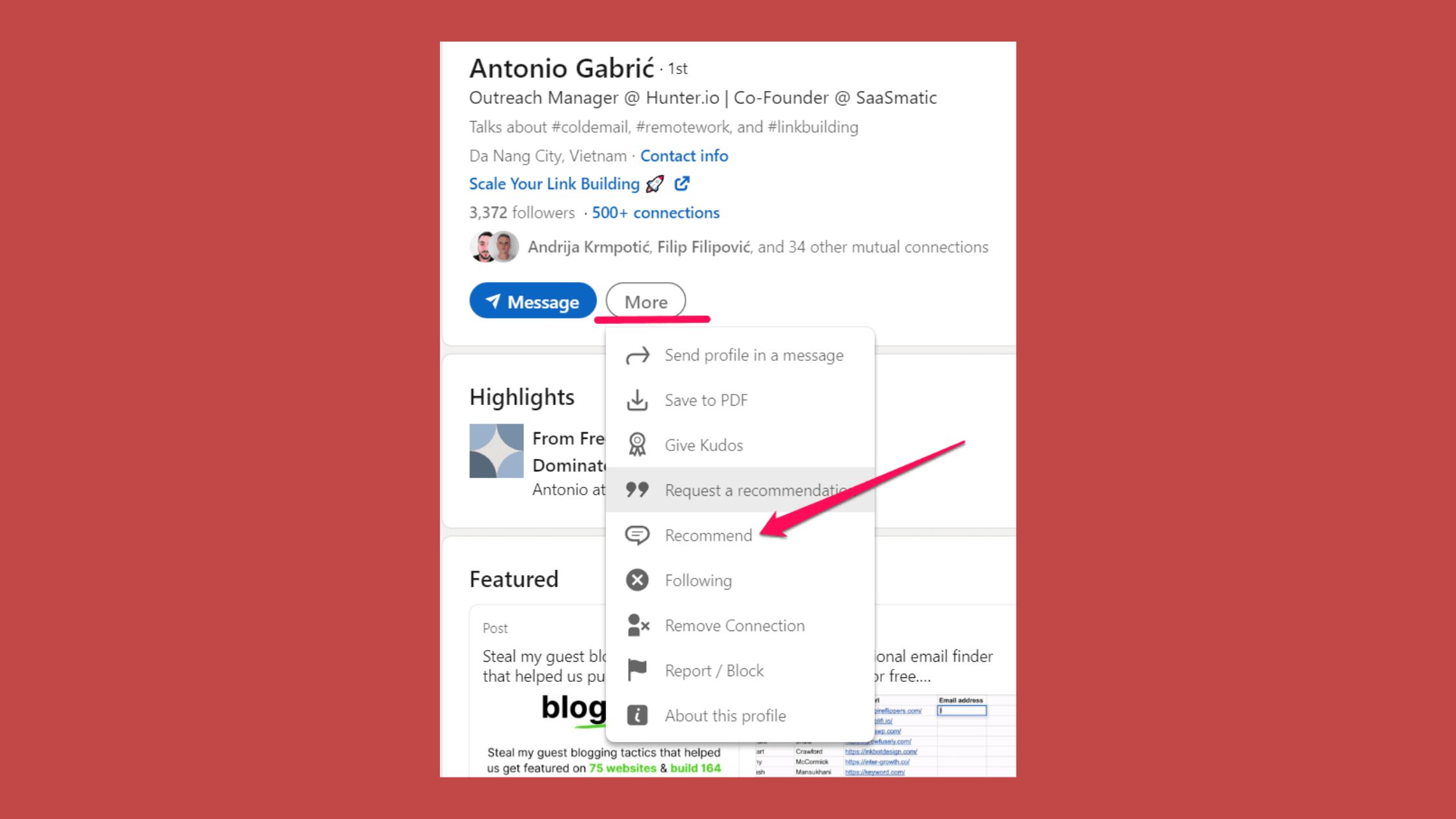
Why are LinkedIn recommendations important? Because they are the only section of your profile written by someone other than you — and that third-party authorship is exactly what makes them credible. LinkedIn profile social proof is the collection of signals (recommendations, endorsements, engagement) that tells recruiters and clients your self-reported strengths are verified. Recommendations are the strongest signal in that stack.
LinkedIn Profile Social Proof: What Recruiters and Clients Actually Look For
Recruiters and clients don't read recommendations like a testimonials page — they scan for specificity. They want to see a named project, a concrete outcome, a skill demonstrated under real pressure. Vague praise tells them nothing. What they're looking for is evidence that someone who worked directly with you thought the result was worth writing about.
Beyond human readers, LinkedIn's algorithm treats recommendations as engagement signals. A profile with active, specific recommendations shows up more frequently in search results and "People You May Know" placements — giving your entire profile a compounding visibility advantage.
The recommendation section is the only place on LinkedIn where someone else vouches for you — that third-party credibility is worth more than anything you write about yourself.
Two equally qualified candidates, identical titles, similar experience — the one with three specific, outcome-focused recommendations will almost always generate more recruiter interest. The difference isn't the number of recommendations. It's the quality and specificity of what's written inside them.
What Makes a Bad LinkedIn Recommendation (And How to Spot One on Your Own Profile)

Most professionals instinctively know when a recommendation is weak — but they're far less likely to notice when their own profile is full of them. What makes a bad LinkedIn recommendation comes down to one thing: it could have been written by anyone, about anyone.
The most common failure modes in bad recommendations are:
- One or two sentences — reads as a reluctant favor, not a genuine endorsement.
- Generic adjectives only — "dedicated," "talented," "professional" with no context or examples.
- No working relationship context — the reader has no idea how the recommender actually knows you.
- Reciprocal endorsement etiquette violations — every recommendation on your profile comes from someone you've also recommended, making the whole section look like a mutual praise exchange.
Authenticity vs. generic praise is the single biggest quality divider. A recruiter reading "I had the pleasure of working with Jane — she is a true professional" learns nothing. A recruiter reading "Jane led our product relaunch under a compressed 6-week timeline, coordinated three cross-functional teams, and delivered a 23% increase in first-month sign-ups" can picture exactly what Jane is capable of.
Should You Recommend Someone You Barely Know on LinkedIn?
Should you recommend someone you barely know on LinkedIn? The short answer: no — and doing so is one of the subtler LinkedIn recommendation mistakes that damages your credibility, not just theirs. If a recruiter or client notices that your recommendation is vague and impersonal, they may question the judgment of the recommender. A weak recommendation from a loosely connected contact can actually dilute a strong profile. If you can't speak to at least one specific skill, project, or outcome, decline politely rather than write something hollow.
How to Write a LinkedIn Recommendation That Actually Gets Read
The professionals whose recommendations get read — and remembered — all follow the same underlying structure, whether they realise it or not. How to write a LinkedIn recommendation that lands comes down to four components, applied in order.
- Open with relationship context. One sentence: who you are relative to this person. "As Jane's direct manager at Acme Corp for three years..." This validates everything that follows.
- Use Problem–Action–Result. What challenge did they face? What specifically did they do? What was the measurable outcome? This structure forces specificity and reads like evidence, not opinion.
- Stay between 100 and 300 words. According to ResumeOptimizerPro, writing over 250 words is itself a common recommendation mistake — the reader's attention drops sharply after that point. Under 80 words reads as a throwaway.
- Close with a forward-looking statement. "I would recommend Jane without hesitation for any senior product role requiring cross-functional leadership." This gives recruiters a clear signal of fit.
LinkedIn Recommendation Examples: What Good vs. Bad Looks Like Side by Side
Weak: "John is a fantastic colleague and I highly recommend him. He always brings positive energy to the team and is great to work with."
Strong: "John joined our data team mid-project and within two weeks had restructured our reporting pipeline, reducing weekly reporting time from 8 hours to 45 minutes. His ability to translate complex technical problems into clear business language made him invaluable in client-facing sessions. I would recommend John for any analytics or operations role where clarity and speed both matter."
The difference is obvious on the page. More LinkedIn recommendation examples and best practices can help you see these patterns applied across different relationship types and industries.
How Long Should a LinkedIn Recommendation Be?
How long should a LinkedIn recommendation be? The effective range is 100–300 words. Under 100 words, it reads as a reluctant gesture. Over 300 words, it becomes difficult to skim and loses the reader before reaching the most valuable detail. The sweet spot — 150 to 250 words — demonstrates genuine effort and allows for a complete Problem–Action–Result arc without overstaying its welcome.
✓ The Strong LinkedIn Recommendation Checklist
- ☐Opens with your working relationship (role + company + duration)
- ☐Includes one specific challenge or project the person led or contributed to
- ☐Names at least one measurable outcome (time saved, revenue, growth, etc.)
- ☐Avoids generic phrases: "hard worker," "team player," "pleasure to work with"
- ☐Falls between 100–300 words
- ☐Closes with a forward-looking endorsement specifying the type of role or context where they'd excel
Asking for a LinkedIn Recommendation Without Making It Awkward
Teams that ask for recommendations correctly see far higher response rates — and far better quality in what comes back. The entire dynamic shifts when you make it easy for the other person. Asking for a LinkedIn recommendation well is less about what you say and more about how much work you remove from the person you're asking.
A strong recommendation request does three things:
- Reminds them of a specific shared win. "Do you remember the Q3 product launch where we hit 140% of target?" That context immediately activates the right memory and anchors their writing.
- Offers optional talking points. "If helpful, you could mention the data pipeline project or the client presentation in September." This removes the blank-page problem entirely.
- Respects their time with a soft deadline. "Any time in the next two weeks is perfect" signals that you value the relationship over urgency.
Timing is also critical. The best moment to ask is immediately after a successful project, a promotion, or a strong performance review — when the goodwill is high and the details are still fresh. For more guidance on how to request recommendations on LinkedIn, including message templates that work in 2026, the patterns above hold across relationship types.
How to Decline a LinkedIn Recommendation Request Professionally
How to decline a LinkedIn recommendation request without damaging the relationship: be honest and brief. A message like — "I'd want to write something genuinely useful for you, and I'm not sure I have enough visibility into your recent work to do that well. Could we reconnect in a few months after we've worked more closely?" — is honest, professional, and leaves the door open. It's far better than writing something hollow that sits on their profile and helps no one.
Boosting Your LinkedIn Social Proof Beyond Recommendations
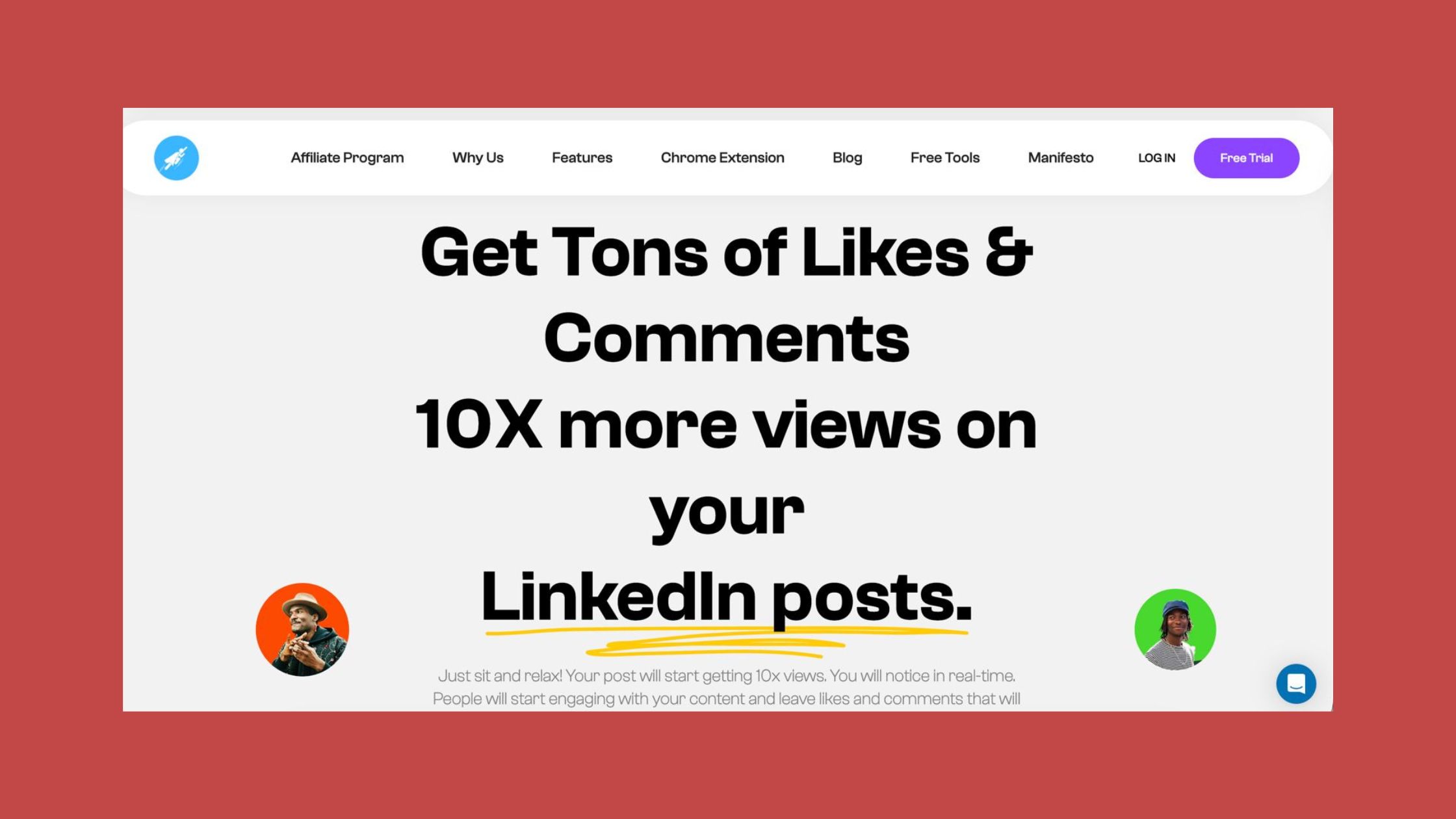
Recommendations build credibility. But credibility without visibility means fewer people ever see those recommendations. A recurring pattern among professionals building their personal brand on LinkedIn is treating recommendations as a one-time task rather than one layer of an ongoing LinkedIn social proof strategy.
Reciprocal Endorsement Etiquette: When It Helps and When It Hurts
Reciprocal endorsements aren't automatically a red flag — many genuine working relationships are mutual. The problem arises when every single recommendation on your profile is from someone you've also recommended. Recruiters notice the pattern. What separates a credible profile from a praise-swap network is the presence of at least a few recommendations that are clearly one-directional — from a manager, a client, or someone senior who had no obvious reason to expect one in return.
Post engagement is the other half of this equation. A well-recommended profile that never publishes content misses the visibility loop that keeps recommendations relevant. LinkedIn's algorithm surfaces active profiles more aggressively — meaning the recommendations you've earned are seen by more of the right people when you're posting consistently.
For professionals and founders who want to accelerate that visibility, tools like HyperClapper help build real post engagement through community-based channels and AI-powered replies — complementing the credibility a strong recommendation section builds. Stronger reach means the right decision-makers actually land on your profile and see those recommendations.
For a deeper look at how LinkedIn recommendations can boost your profile when paired with an active content strategy, the combination consistently outperforms either approach in isolation. A LinkedIn social proof strategy that works in 2026 is not one tactic — it's the combination of authentic recommendations, consistent content, and smart engagement amplification working together.
Get Your LinkedIn Posts Seen by More of the Right People
HyperClapper connects your content with real engagement channels — so the credibility you've built through recommendations actually gets noticed.
Explore HyperClapperFrequently Asked Questions About LinkedIn Recommendation Mistakes
What are the biggest mistakes people make when writing LinkedIn recommendations?
The biggest mistakes are using generic praise ("great to work with," "highly recommend"), writing under 100 words, and failing to establish the working relationship upfront. Recommendations that skip specific outcomes — a project, a result, a measurable win — read as hollow and add no credibility to the person's profile.
How do I ask for a LinkedIn recommendation without being awkward?
Never send LinkedIn's default template. Instead, personalise your request: reference a specific shared project, remind them of a concrete outcome they witnessed, and offer optional talking points to reduce their effort. Ask shortly after a successful collaboration while the goodwill is fresh. This approach consistently produces better responses and higher-quality recommendations.
Does a generic LinkedIn recommendation hurt your profile?
Yes — a generic recommendation can actively undermine your credibility. Recruiters and clients scan for specificity. A vague endorsement signals the recommender barely knew you, which raises doubts about the quality of your working relationships. One specific, outcome-focused recommendation is worth more than five hollow ones from well-meaning connections.
What should you never say in a LinkedIn recommendation?
Avoid phrases like "pleasure to work with," "consummate professional," "hard worker," and "I highly recommend" as standalone statements. Never write something you couldn't back up with a specific example. Also avoid exaggeration — overstated claims make the recommender look unreliable, which damages both profiles if a recruiter digs deeper.
How to write a killer LinkedIn recommendation?
Open with your exact working relationship, then use a Problem–Action–Result structure: what challenge did they face, what specifically did they do, and what was the measurable outcome? Keep it between 150–250 words. Close with a forward-looking statement naming the role or context where they'd excel. Specificity is what separates a killer recommendation from a forgettable one. See more tips and examples for writing great LinkedIn recommendations.
Should you recommend someone you barely know on LinkedIn?
No. Writing a recommendation for someone you barely know produces vague, unhelpful content that can damage your own credibility as a recommender. If you can't speak to a specific skill, project, or outcome, offer a skill endorsement instead — it's lower-stakes and more honest. Genuine, specific recommendations are worth far more to both parties.
How long should a LinkedIn recommendation be?
The effective range is 100–300 words. Under 100 words reads as a reluctant gesture. Over 300 words loses the reader before reaching the most valuable detail. The sweet spot is 150–250 words — enough to include real context, a specific outcome, and a forward-looking endorsement without overstaying your welcome.
What consistently separates profiles with genuine professional authority from profiles with impressive follower numbers is not the volume of recommendations — it is the specificity of the two or three that actually matter.



