
Lead generation on LinkedIn fails most professionals not because the platform doesn't work — it's because a handful of repeatable mistakes quietly suppress organic reach before a single lead has a chance to appear. A pattern observed across high-performing B2B accounts is that their results aren't driven by bigger budgets or more posts; they come from eliminating the behaviours that signal low quality to LinkedIn's algorithm. According to Brentonway (2026), LinkedIn generates leads at a rate 277% higher than Facebook and Twitter — but only for accounts that earn algorithmic distribution in the first place. Fix the mistakes in this article and you fix both your reach and your pipeline simultaneously.
- Who this is for: B2B founders, marketers, coaches, and sales professionals trying to grow an organic lead pipeline on LinkedIn without paid ads.
- What you'll learn: The specific profile, content, and engagement mistakes that suppress LinkedIn organic reach — and exactly how to fix each one.
- Why it matters: LinkedIn converts visitors to leads at 2.74% vs 0.77% on Facebook — but algorithmic suppression can cut your visible audience to near zero before a post even gets read.
- Most counterintuitive finding: Posting more frequently is one of the fastest ways to kill your reach — quality and spacing consistently outperform volume on LinkedIn's distribution model.
- Timeline reality: Expect 60–90 days of consistent, corrected execution before organic lead flow becomes predictable — this is a compounding asset, not a quick-win channel.
- Tools matter: The safest engagement tools amplify genuine community activity rather than automating outreach — a critical distinction for protecting your account standing.
- Why LinkedIn Lead Generation Fails Most Professionals in 2026
- Profile and Content Mistakes That Kill Your LinkedIn Organic Reach
- How to Generate Leads on LinkedIn Organically
- Engagement Mistakes, Automation Risks, and the Best LinkedIn Lead Gen Tools
- LinkedIn Organic Reach Strategy: Quick Wins and Long-Term Compounding
- Frequently Asked Questions About LinkedIn Lead Generation
Why LinkedIn Lead Generation Fails Most Professionals in 2026
Skepticism about LinkedIn's lead quality is understandable — but it's almost always a symptom of the wrong execution, not the wrong platform. According to Warmly (2026), 94% of B2B marketers use LinkedIn for sales and lead generation, and ConnectSafely (2026) reports that LinkedIn generates 75–85% of all B2B leads from social channels. The platform works. What breaks is the strategy layered on top of it.
The LinkedIn algorithm — the system that determines which posts get broad distribution and which stay invisible — rewards three things above all else: dwell time (how long viewers linger on your post), meaningful conversation depth (comment quality and thread length), and profile authority (completeness, SSI score, engagement history). Raw posting volume scores zero on all three. Most professionals optimise for the wrong signal entirely.
The failure pattern is consistent: post frequently, get no traction, assume LinkedIn "doesn't work for lead generation," and either abandon the platform or pivot to expensive paid ads. This article maps the specific mistakes that create that outcome — and the corrections that reverse it.
What Organic Impressions on LinkedIn Actually Mean (And Why They Decline)
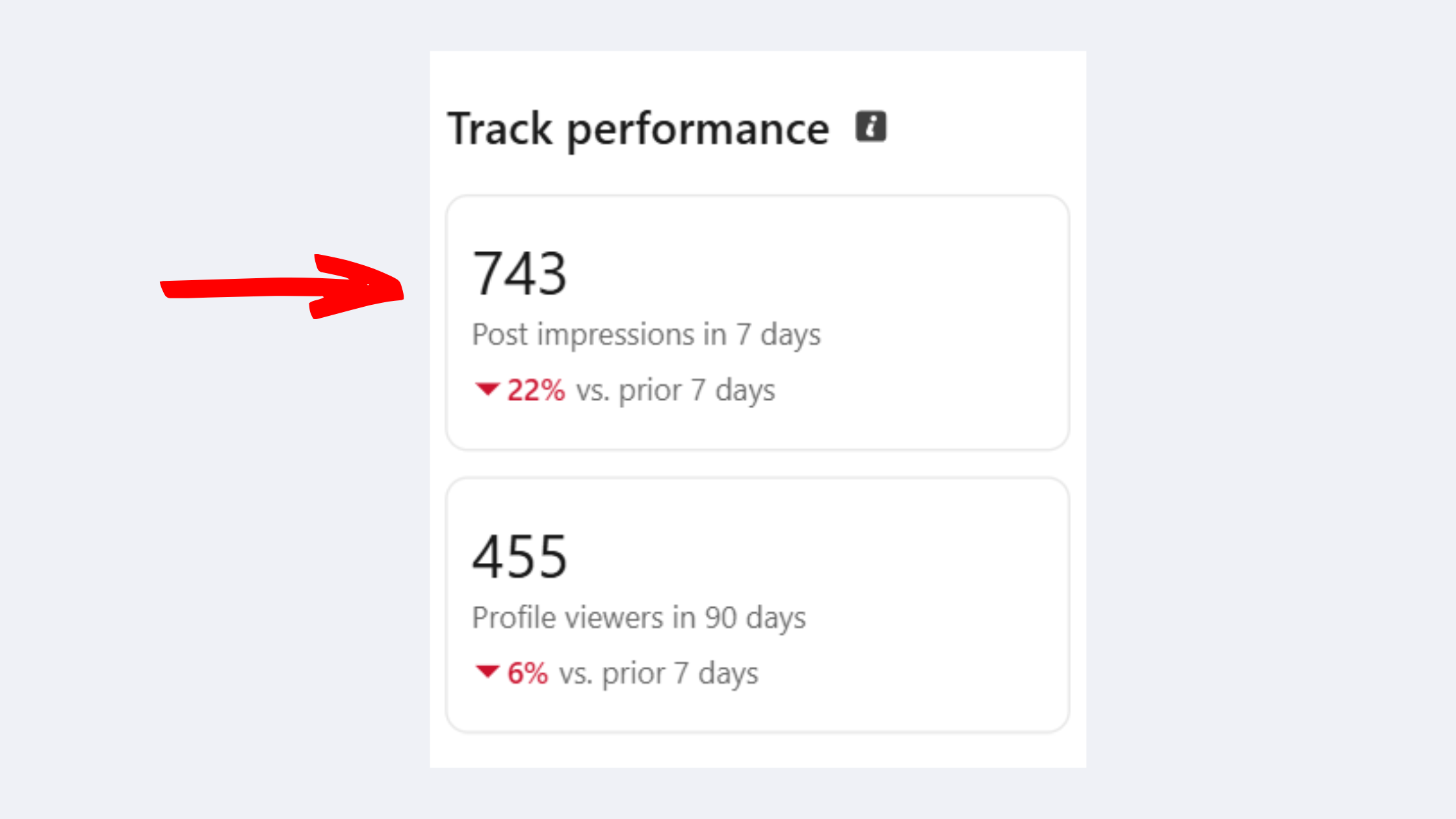
Organic impressions on LinkedIn are the number of times your post appears in someone's feed without any paid promotion behind it. LinkedIn's algorithm decides that number in the first 60–90 minutes after you post, based on early engagement signals. If early reactions are weak — few comments, low dwell time, no saves — the algorithm pulls distribution back. That's why many profiles see a steady decline in reach despite posting consistently: they're training the algorithm that their content isn't worth distributing.
The accounts that grow fastest on LinkedIn aren't the ones posting most often — they're the ones whose early engagement signals tell the algorithm that every post is worth distributing widely.
LinkedIn for Lead Generation: B2B vs B2C Differences
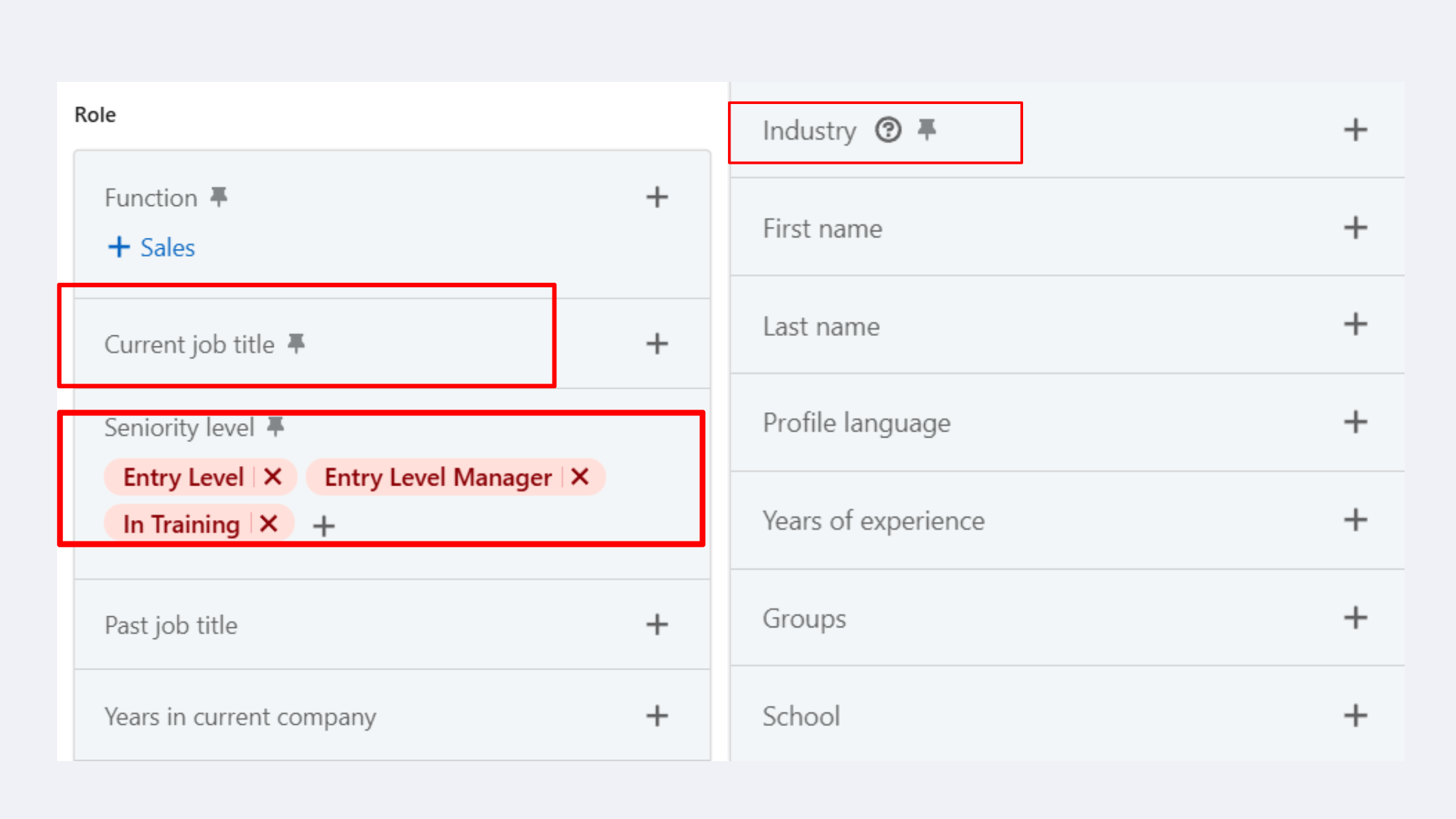
LinkedIn is built for B2B. Its B2B buyer intent signals — job titles, company size, seniority, industry — are richer and more reliable than any other social platform. For B2B, lead generation on LinkedIn is a direct path from content to pipeline. For B2C, the dynamics shift: LinkedIn works best for high-ticket consumer decisions (coaching, executive education, professional services) where buyer trust matters. Selling low-ticket consumer products directly through LinkedIn organic content rarely converts — the audience mindset is professional, not shopping.
Profile and Content Mistakes That Silently Kill Your LinkedIn Organic Reach
Your LinkedIn profile is a landing page — and most people treat it like a CV. Before any content strategy can work, your profile must convert visitors into connection requests and inbound messages. The most common failure mode is a vague headline that describes your job title instead of the problem you solve for clients. LinkedIn profile optimization for leads starts with rewriting the headline to answer: "Who do I help, and what outcome do I deliver?" That single change typically doubles profile-to-connection conversion.
What Content Formats Generate the Most LinkedIn Leads Organically
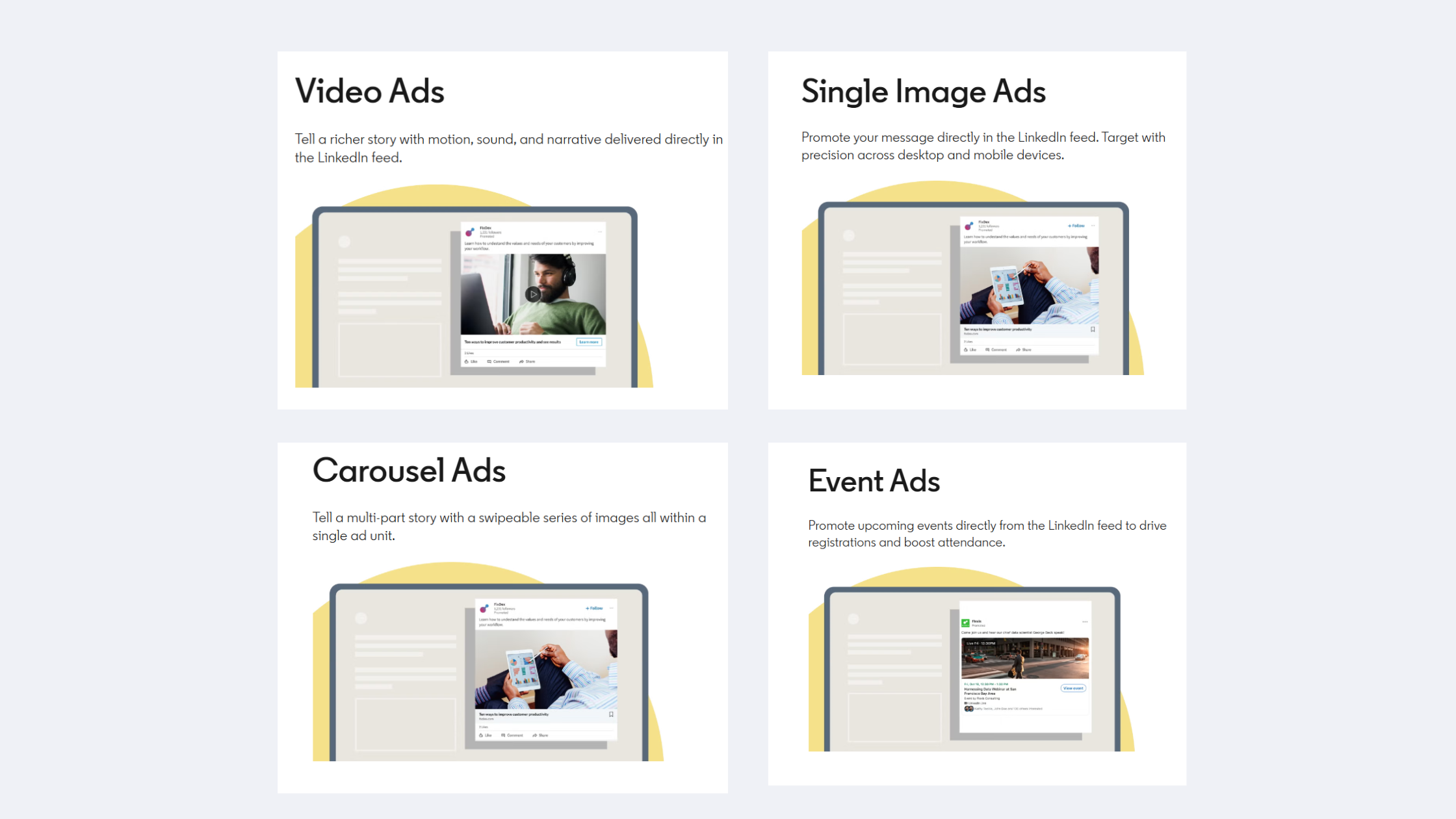
Teams that test content formats systematically find the same pattern: carousels and text-only posts with strong hooks outperform image posts and link posts for organic reach. Here's why each format performs as it does:
- Carousels (document posts): Force multiple swipes, which maximises dwell time — LinkedIn's most weighted engagement signal. High dwell = broad distribution.
- Text-only posts: No external link to click away from, so the algorithm keeps readers on the post. Strong for thought leadership and storytelling.
- Polls: Generate comments organically and hold attention. Useful for sparking conversation, though poll leads are rarely high-intent on their own.
- Video: Natively uploaded video performs well for reach but demands more production effort. Short, talking-head video (60–90 seconds) typically outperforms polished brand content on LinkedIn's distribution model.
- Link posts (external URL in body): LinkedIn suppresses these — the algorithm penalises posts that send traffic off-platform. Move links to the first comment instead.
Why LinkedIn Posts Get No Engagement — And the Real Fixes
The question "why LinkedIn posts get no engagement" almost always has one of three root causes:
- Weak hook: The first 1–2 lines determine whether someone clicks "see more." If the hook doesn't create curiosity or promise a specific outcome, readers scroll past without triggering dwell time.
- No comment prompt: Posts that end with a question or a clear invitation to disagree get 3–5x more comments than posts that simply conclude. Comments extend the distribution window.
- Wrong posting time: LinkedIn engagement peaks Tuesday through Thursday, 7–9am and 12–1pm in the audience's local timezone. Off-peak posts get buried before they gather momentum.
Does posting frequency affect LinkedIn reach? Yes — and over-posting is more damaging than under-posting. Accounts that post daily or more often see each individual post receive less distribution because LinkedIn's algorithm limits how frequently any single account floods a given follower's feed. In practice, 3–5 quality posts per week outperforms 7+ posts consistently. The LinkedIn Social Selling Index (SSI) — a score from 0–100 measuring profile strength, network quality, content engagement, and relationship-building — also factors into organic reach. Accounts with SSI above 70 receive measurably broader distribution than accounts below 40.
With your profile converting visitors and your content format dialled in, the next question is how to structure an organic strategy that generates leads consistently — not just sporadically.
How to Generate Leads on LinkedIn Organically: The Strategy That Actually Works
The most effective organic lead generation strategy on LinkedIn follows what can be called The Inbound Flywheel Method: optimized profile → consistent valuable content → algorithm distribution → profile visits → connection requests → DM conversations → qualified pipeline. Each step feeds the next. The key insight is that cold outreach short-circuits this flywheel — it generates leads occasionally but suppresses the organic reach that would otherwise bring leads to you at scale.
LinkedIn Algorithm Tips for B2B: What to Post and When
For LinkedIn lead generation in a B2B context, content should address one of three buyer states: problem-aware (they know they have a challenge), solution-aware (they're evaluating approaches), or vendor-aware (they're comparing providers). Most B2B content on LinkedIn only serves the vendor-aware stage — which is the smallest audience. 80% of your content should serve problem-aware and solution-aware audiences; the insight, framework, and story posts that build authority without selling. The remaining 20% can be more directly service-oriented.
LinkedIn algorithm tips for B2B that consistently hold up:
- Post at 7–8am Tuesday–Thursday for maximum early engagement velocity
- Respond to every comment within the first 2 hours — this extends the algorithm's distribution window
- Tag people only when genuinely relevant — over-tagging flags content as promotional
- Use 3–5 hashtags maximum; more than 5 dilutes topical relevance signals
- Never post a link in the body of the post — put it in the first comment
Converting LinkedIn Connections into Paying Customers
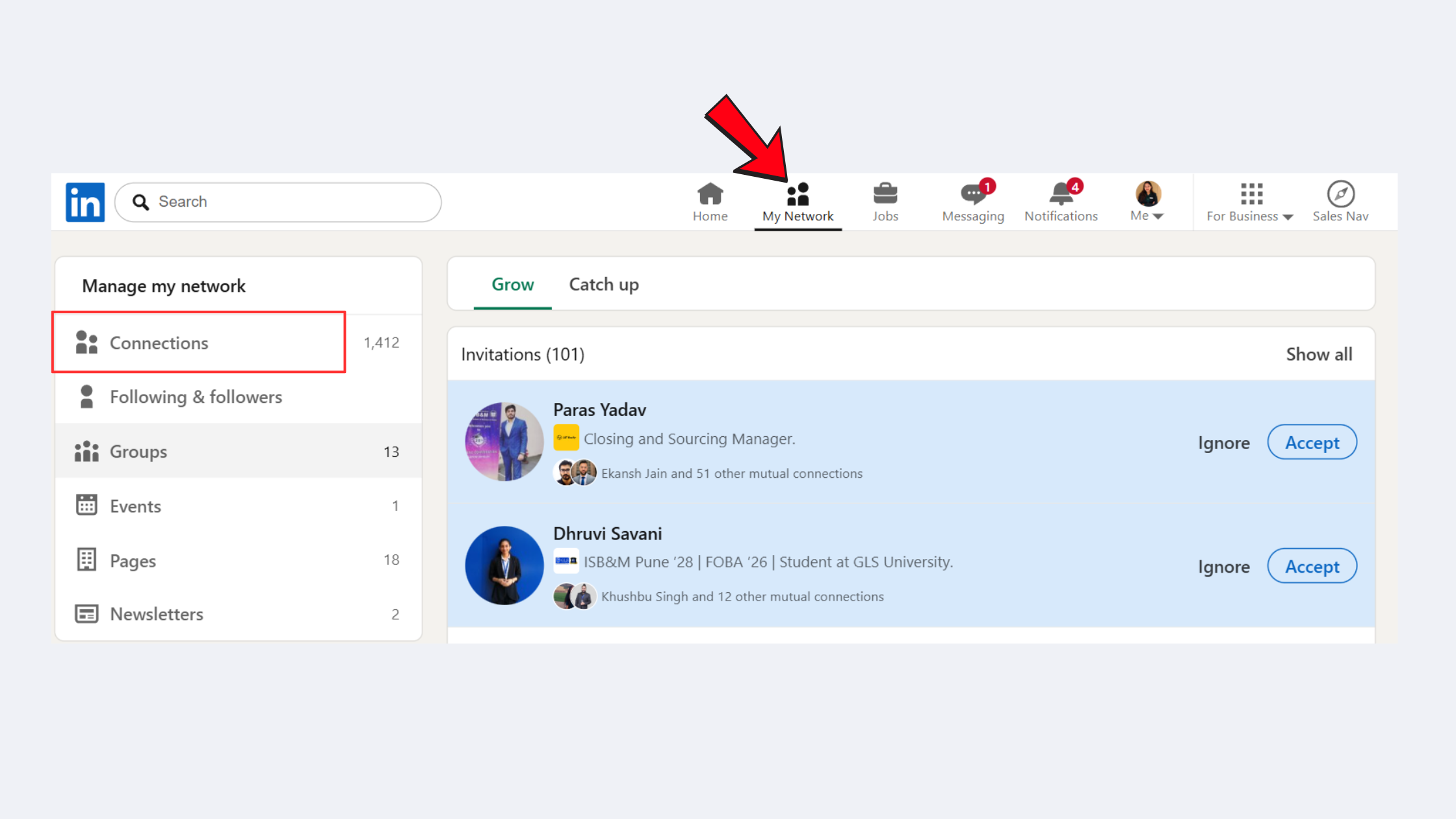
The gap between "growing a LinkedIn following" and "generating revenue from LinkedIn" is almost always the DM strategy. What works consistently: when a new connection engages meaningfully with your content (comments, shares, saves), send a value-first DM — not a pitch. Reference their comment specifically, add a relevant resource or insight, and ask one curious question about their situation. Creators who skip the value-first step and open DMs with service offers typically see reply rates below 5%; those who lead with genuine value first see 15–25% response rates, consistent with benchmarks reported by CCLarity (2026).
LinkedIn lead generation without paid ads is entirely viable — but only when the DM follows the content, not replaces it. The content earns the trust; the DM opens the conversation.
How long does it realistically take to see results? Expect 60–90 days of consistent execution before organic lead flow becomes predictable. LinkedIn rewards accounts that demonstrate sustained engagement patterns, not bursts of activity. This is a content-driven inbound pipeline — a self-reinforcing system that takes time to build but generates leads at near-zero marginal cost once it's running.
Want your LinkedIn posts to get the early engagement that triggers algorithm distribution?
HyperClapper connects your posts with real engagement channels so the algorithm sees the momentum it needs to distribute your content widely — safely and without bots.
See How HyperClapper WorksEngagement Mistakes, Automation Risks, and the Best LinkedIn Lead Gen Tools for 2026
Aggressive automation is one of the fastest ways to destroy LinkedIn organic reach. Mass connection requests, templated DM blasts sent to hundreds of contacts, and bot-driven engagement all trigger LinkedIn's spam detection systems — leading to account warnings, throttled reach, or full restriction. The most common failure mode among ambitious LinkedIn users is conflating "working smarter" with "automating everything," and paying the price in suppressed visibility for months afterward.
LinkedIn Lead Gen Tool Comparison: What to Look For in 2026
The best LinkedIn automation tools for lead gen in 2026 are those that stay within LinkedIn's behavioural norms. Here's how the main approaches compare:
| Approach | Best For | Risk Level | Cost | Lead Speed |
|---|---|---|---|---|
| Paid LinkedIn Lead Gen Forms | Fast pipeline, larger budgets | Low (platform-native) | $50–$150+ per lead | Fast (days) |
| Mass DM / outreach automation | Volume prospecting | High (account risk) | $30–$100/mo tool cost | Variable |
| Organic content + DM conversion | Long-term compounding pipeline | Low | Time investment only | Slow (60–90 days) |
| HyperClapper (community engagement) | Boosting organic reach safely | Low (real users) | Subscription-based | Medium (accelerated) |
For content creators focused on visibility without account risk, HyperClapper is the strongest choice because it amplifies genuine community engagement rather than simulating it with bots. Real people inside HyperClapper's channels interact with your posts — generating the early engagement velocity that LinkedIn's algorithm reads as a signal to distribute content more widely.
How HyperClapper Fixes the Early Engagement Problem Safely
The early engagement problem is this: LinkedIn decides a post's distribution fate in roughly the first 60–90 minutes. New accounts and growing creators have small audiences, which means few early signals — so even strong content gets suppressed. Tools like HyperClapper solve this by connecting posts with channels of real LinkedIn users who engage authentically. One channel delivers approximately 50 genuine interactions; three channels deliver up to 150. AI-powered replies keep conversations active for days after posting, which matters because LinkedIn's algorithm also factors in conversation depth and longevity — not just immediate reaction counts.
Paid vs organic LinkedIn lead generation ROI deserves an honest comparison. Paid LinkedIn lead gen forms deliver faster pipeline and are excellent for campaigns with specific, time-sensitive goals. However, at $50–$150+ per lead, they build no lasting asset. Organic compounding builds reach, authority, and a network that generates inbound leads at near-zero marginal cost — but requires 60–90 days of investment before it becomes reliable. According to Digital Applied (2026), LinkedIn B2B lead generation costs 28% less than paid search — suggesting even paid LinkedIn outperforms many alternatives on a cost-per-quality-lead basis.
Measuring LinkedIn lead generation KPIs accurately matters as much as the strategy itself. Most professionals track only likes and impressions — vanity metrics that don't predict revenue. The metrics that actually correlate with pipeline:
- Profile views per post: Indicates how many readers are curious enough to investigate further
- Connection acceptance rate: Benchmark 30–50% for warm outreach; below 20% signals poor targeting or a weak profile
- DM reply rate: 15–25% for value-first messages to warm contacts is a healthy benchmark
- Post-to-profile-visit conversion: What % of post impressions result in profile views — the leading indicator of inbound interest
- Inbound inquiry volume: The ultimate output metric — how many qualified prospects reach out to you each month
✓ The LinkedIn Lead Generation Health Checklist
- ☐Headline answers "Who I help and what outcome I deliver" — not a job title
- ☐LinkedIn SSI score checked and above 60 (free at linkedin.com/sales/ssi)
- ☐Posting 3–5 times per week maximum — no daily over-posting
- ☐All external links placed in first comment, not post body
- ☐Every post ends with a comment-prompting question or invitation
- ☐Responding to all comments within 2 hours of posting
- ☐DMs to engaged connections lead with value, not a pitch
- ☐Tracking profile views, DM reply rate, and inbound inquiry volume monthly
- ☐No automated mass DMs or bot-generated connection requests in use
LinkedIn Organic Reach Strategy: Quick Wins and Long-Term Compounding
40% of B2B marketers consider LinkedIn the most effective channel for driving high-quality leads, according to LinkedIn's own data compilation (2026). What separates top performers here is not budget — it's the discipline to run both quick tactical fixes and a long-term compounding strategy simultaneously. Most professionals do one or the other. The accounts with real reach do both.
Quick wins to implement this week:
- Rewrite your LinkedIn headline to include the specific problem you solve — do this before your next post
- Comment meaningfully (2–4 sentences, adding genuine insight) on 5 posts per day in your niche — this puts you in front of your target audience's network
- Publish one carousel or text post with a hook that starts with a counterintuitive claim or a specific number
- Move any external links from post bodies into first comments on all future posts
Long-term compounding (90-day LinkedIn organic reach strategy):
- Build a consistent content calendar — 3 posts per week, alternating between insight/story and practical how-to content
- Identify your 20 highest-value prospects and engage with their content consistently for 4–6 weeks before initiating any DM conversation
- Grow professional network trust building by publishing one definitive "thought leadership" piece per month — the kind of post that people save and reference later
- Revisit your LinkedIn SSI score monthly as a health check — consistent improvement across all four SSI pillars correlates directly with increased organic reach and inbound inquiry volume
The no-limit reality of LinkedIn organic reach is one of the platform's most underappreciated advantages: unlike Facebook or Instagram, where organic reach for pages has collapsed to 2–5%, LinkedIn's algorithm still grants significant distribution to quality content from both personal profiles and company pages. That window remains open — but only for accounts that understand what "quality" means to LinkedIn's distribution model. A recurring pattern among professionals trying to grow through lead generation on LinkedIn is treating the platform like a broadcast channel. The accounts that generate consistent inbound leads treat it as a conversation platform where content is the introduction, not the sale.
Turn your LinkedIn content into a consistent lead generation engine
HyperClapper gives your posts the early engagement momentum they need to reach the right audience — with real community interaction, AI-powered replies, and analytics that show what's working.
Start Growing Your LinkedIn ReachFrequently Asked Questions About LinkedIn Lead Generation
Is LinkedIn good for lead generation?
Yes — LinkedIn is consistently the most effective social platform for B2B lead generation. It converts visitors to leads at 2.74%, compared to 0.77% on Facebook, and generates 75–85% of all B2B social leads. For B2B professionals, coaches, and agency owners, it outperforms every other social channel on lead quality when used with a clear strategy.
How do I do lead generation on LinkedIn without paid ads?
LinkedIn lead gen without paid ads requires three elements working together: an optimised profile that converts visitors, consistent content that earns algorithmic distribution, and value-first DM conversations with engaged connections. Expect 60–90 days before organic lead flow becomes predictable. Commenting strategically on niche posts accelerates audience growth faster than most realise.
What are the biggest mistakes people make with LinkedIn lead generation?
The biggest LinkedIn lead generation mistakes are: posting too frequently (cannibalising your own reach), writing headlines as job titles instead of problem-outcome statements, sending pitch-first DMs before establishing any trust, placing external links in post bodies (which LinkedIn suppresses), and measuring only likes and impressions instead of profile views, connection acceptance rates, and inbound inquiry volume.
Why does my LinkedIn content get low reach even with a large network?
Low reach despite a large network almost always signals weak early engagement velocity. LinkedIn's algorithm decides distribution in the first 60–90 minutes — if early comments and dwell time are low, reach gets pulled back. Over-posting, posting at off-peak hours, and using external links in post bodies are the three most common structural causes of declining reach on otherwise healthy accounts.
Which LinkedIn posting habits hurt organic visibility the most?
The habits that hurt LinkedIn organic visibility most are: posting daily or more (reduces per-post distribution), including links in the post body (algorithmic penalty), posting without a comment-prompting close (kills conversation depth), and ignoring early comments (misses the distribution extension window). Any one of these alone reduces reach; all four together can reduce distribution by 60–80%.
How much does LinkedIn lead generation cost, and how does paid compare to organic?
Paid LinkedIn lead gen forms typically cost $50–$150+ per lead — faster pipeline but no lasting asset. Organic lead generation costs time (roughly 60–90 days of consistent effort) but builds a compounding distribution engine that generates leads at near-zero marginal cost. According to Digital Applied (2026), LinkedIn B2B lead gen costs 28% less than paid search even on a paid basis — making either approach more efficient than most alternatives.
How do LinkedIn lead gen forms work?
LinkedIn lead gen forms are native in-platform forms that appear inside LinkedIn ads — when a user clicks your ad, their LinkedIn profile data (name, email, job title) pre-populates the form automatically, dramatically reducing friction. Conversion rates are typically 2–3x higher than landing page forms because no redirect is required. They work best paired with sponsored content campaigns targeting specific job titles or company sizes. See our full LinkedIn lead gen forms strategy guide for setup details.
How do I improve LinkedIn lead generation without spending on ads?
Improving LinkedIn lead generation without paid ads means stacking three organic levers: profile optimisation (headline clarity, social proof in the About section), content quality (carousels and text posts with strong hooks, posted 3–5x per week at peak hours), and warm outreach (value-first DMs to connections who engaged with your content). Each lever independently moves the needle; all three together create compounding inbound growth.



