
Employee advocacy on LinkedIn means your employees voluntarily share, comment on, and create content that amplifies your brand to their personal networks — and it is the most cost-effective organic reach strategy available to B2B companies right now. A pattern observed across companies that run these programs successfully is that they do not start with a tool. They start with clarity: clear goals, a small pilot group, and a content library that makes participation effortless. Companies that reverse that sequence — buying a platform before building the foundation — typically see less than 20% employee participation within 90 days and quietly abandon the program. This guide covers the complete LinkedIn employee advocacy setup process, from pre-launch checklist through platform selection, compliance, and measurement, in a sequence that actually works.
- Who this is for: HR managers, B2B marketing teams, sales leaders, and founders who want to grow LinkedIn reach without paying for ads
- What you'll learn: A 6-step launch framework, a pre-launch checklist, platform comparisons with pricing, and a compliance guide covering FTC, UK ASA, and GDPR
- Why it matters: Company LinkedIn pages reach fewer than 5% of followers organically — employee networks are the fastest way to recover that reach at near-zero cost
- Most counterintuitive finding: Starting with just 10–20 employees instead of company-wide rollout produces 3x higher long-term participation rates
- Fastest path to launch: The 6-step framework in this guide can be executed in under two weeks without a paid tool
- Pipeline reality check: Most programs see engagement improvement within 30–60 days, but measurable pipeline impact typically takes 90–180 days
- What Is LinkedIn Employee Advocacy?
- The Business Case: Turning Employee Networks Into Pipeline
- LinkedIn Employee Advocacy Setup Checklist 2026
- How to Start a LinkedIn Employee Advocacy Program Fast: 6 Steps
- Best LinkedIn Employee Advocacy Software in 2026
- Employee Advocacy Content Strategy for LinkedIn
- LinkedIn Advocacy Strategy for Companies: Legal Compliance
- Measuring LinkedIn Employee Advocacy Success
- LinkedIn Employee Advocacy for HR, Marketing, and Sales
- How HyperClapper Supports Your Advocacy Strategy
- LinkedIn Employee Advocacy vs. Paid LinkedIn Ads
- Frequently Asked Questions
What Is LinkedIn Employee Advocacy — and Why It Matters More Than Ever in 2026?
Employee advocacy on LinkedIn is a structured program where employees share, comment on, and create content that amplifies their employer's brand to their personal networks. The key word is structured — this is not the same as occasionally asking staff to like the company page. A real program has defined content, clear guidelines, and a measurable goal.
What Is a LinkedIn Employee Advocacy Program?
A LinkedIn employee advocacy program is a formal system that enables employees to share pre-approved or personally authored content on LinkedIn in a way that is consistent, brand-safe, and measurable. Think of it as turning your employee base into a distributed media network — one that reaches audiences your company page cannot. A company with 100 employees, each with 500 first-degree connections, has a potential organic reach of 50,000 people per post. Without spending a single dollar on ads.
Why LinkedIn Organic Reach Is Declining for Brands — and What to Do About It?
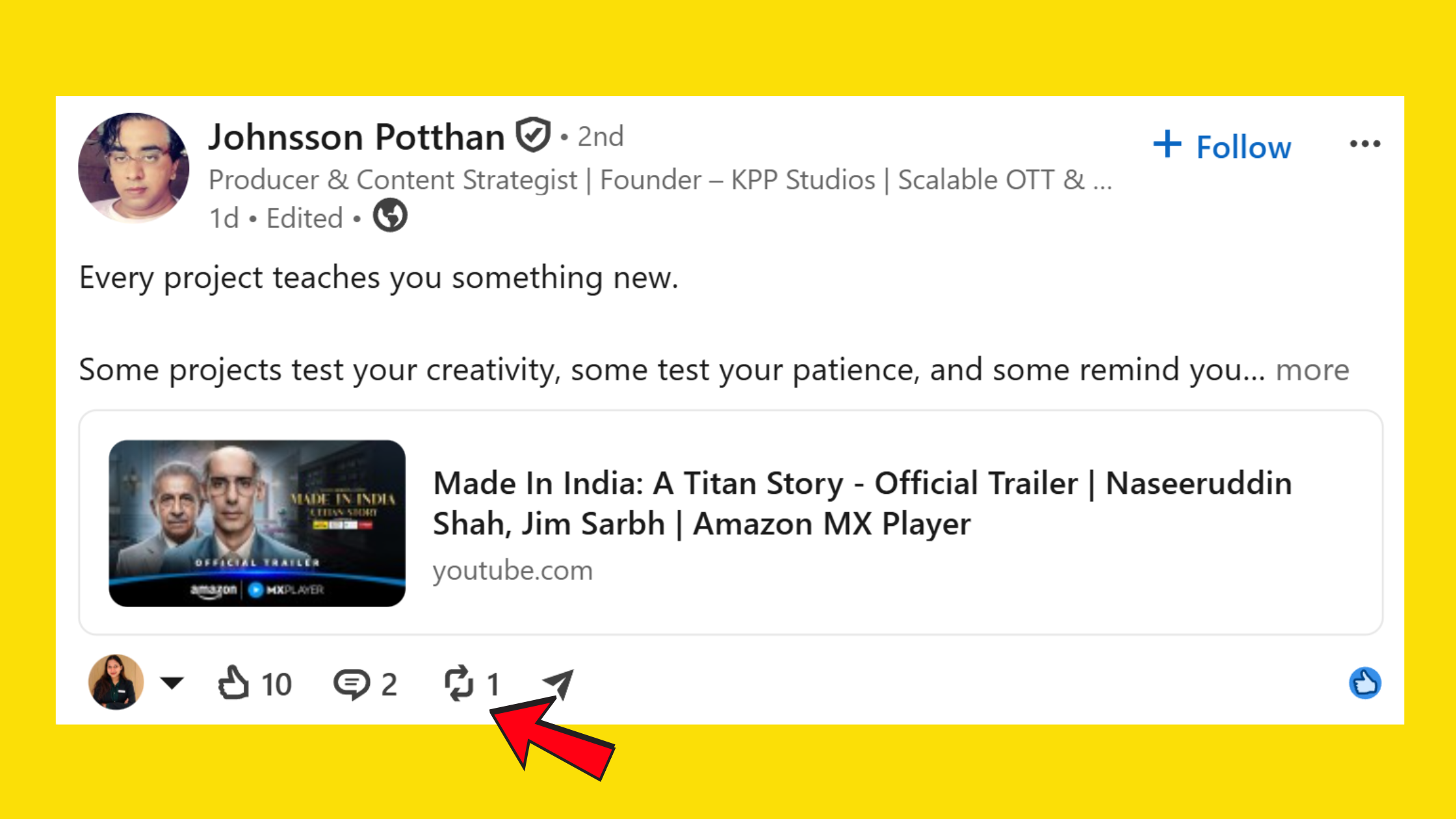
LinkedIn organic reach for company pages has declined sharply over the past three years. Most company page posts now reach fewer than 5% of followers. LinkedIn's algorithm consistently favors person-to-person signals — a post shared by an individual gets significantly more feed distribution than the same post published from a brand page. This is the core mechanic that makes employee advocacy social media strategy so powerful: employees are trusted messengers, and the platform rewards their activity accordingly.
The most cost-effective way to recover declining organic reach on LinkedIn is not to spend more on ads — it is to activate the personal networks that already exist inside your organisation.
This shift makes building a LinkedIn-first employee advocacy approach one of the highest-leverage investments a B2B marketing team can make in 2026.
The Business Case: Turning Employee Networks Into Pipeline?
Leads sourced through employee advocacy convert at measurably higher rates than leads from other channels. According to data referenced across multiple B2B studies, employee-influenced leads convert 7x more often than leads from outbound campaigns, and deals tend to close faster when a buyer has already engaged with an employee's content before a sales conversation begins.
This means the ROI argument for advocacy programs is not just about reach — it is about deal quality. Buyers who discover you through a trusted contact rather than an ad arrive warmer, with higher intent, and with less skepticism to overcome.
The recruitment impact is equally significant. Employer brand visibility from consistent employee posting reduces cost-per-hire by improving the quality and volume of inbound applicants. Candidates who already follow employees on LinkedIn and see positive culture content are more likely to apply and accept offers. That is thought leadership activation working for talent acquisition, not just pipeline.
LinkedIn Employee Advocacy Examples in 2026: Real Companies, Measurable Results?
Teams that segment their advocacy program by department consistently see better content quality and higher participation rates than those that run a single undifferentiated program. A B2B SaaS company with 200 employees that segments into three tracks — sales (sharing customer success stories), engineering (sharing product updates and technical perspectives), and HR (sharing culture and hiring content) — typically sees 60–70% monthly active participation versus the industry average of 20–30% for undifferentiated programs.
For LinkedIn employee advocacy examples 2026, the most measurable outcomes cluster around three patterns: companies that seed the content library with 30+ posts before launch see 2x faster onboarding; companies that run a monthly leaderboard see 40% higher sustained participation; and companies that use a dedicated tool rather than Slack reminders see 3x more consistent sharing behavior.
Understanding what drives results in other companies is useful — but the real lever is your own setup process. That starts with a checklist.
LinkedIn Employee Advocacy Setup Checklist 2026: Everything You Need Before You Launch?
Skipping the pre-launch phase is the single most common reason advocacy programs fail within 60 days. Teams buy a tool, send a Slack message, and expect participation. What they get instead is 5% engagement and a platform nobody logs into. The fix is a deliberate pre-launch sequence.
✓ LinkedIn Employee Advocacy Setup Checklist 2026
- ☐Leadership buy-in secured — at least one senior leader actively participates (not just endorses)
- ☐Program goals defined — specific, measurable (reach, leads, hires) with a 90-day target
- ☐Pilot group identified — 10–20 employees who are already active on LinkedIn and enthusiastic
- ☐Content library seeded — minimum 20 pre-approved posts ready before launch day
- ☐Advocacy guidelines written — one-page document covering tone, disclosure language, and what not to post
- ☐Tool selected or workaround documented — platform chosen OR Slack/email cadence defined
- ☐Compliance reviewed — FTC disclosure language included in templates; GDPR consent obtained if using EU employee data
- ☐Success metrics established — UTM parameters set, baseline data captured, reporting cadence agreed
- ☐Incentive structure decided — recognition, rewards, or gamification mechanism confirmed before launch
This checklist applies whether you have 20 employees or 2,000. The steps scale. The sequence does not change.
Risks and Limitations of Employee Advocacy Programs You Should Know First?
The most common failure modes are not technical — they are cultural. Employees who feel coerced into sharing content become disengaged within 30 days and can actively damage program perception internally. Mandatory sharing policies are counterproductive. The program must be positioned as an opportunity, not an obligation. Additionally, without compliance guidance, employees who post about company products without disclosure language can expose the organization to FTC enforcement risk — a real issue that the next sections address in detail.
With the checklist complete, the fastest path forward is a structured 6-step launch that most teams can execute in under two weeks.
How to Start a LinkedIn Employee Advocacy Program Fast: 6 Steps That Work?
The fastest LinkedIn employee advocacy setup guide is not the one with the most steps — it is the one with the right sequence. Speed comes from starting with a small pilot, not from trying to onboard everyone at once. Each step below is sequenced to build momentum before the program scales.
Step 1 — Define Your Goals and Pick Your Pilot Team
Set one primary metric for the first 90 days. Not five — one. Options include: total impressions from employee posts, LinkedIn-sourced website visits, or inbound leads attributed to employee content. Then identify 10–20 employees who are already active on LinkedIn and willing to participate. Early adopters make better advocates than reluctant participants. This pilot group will shape the content templates and participation culture the rest of the team inherits.
Step 2 — Build Your Content Library and Posting Guidelines
Seed your content library with at least 20 pre-written post options before asking anyone to share. The most common reason employees do not post is that they do not know what to say — remove that friction entirely. Include a variety of formats: company news, industry perspectives, culture stories, and job openings. Write a one-page posting guide covering tone, FTC disclosure language, and content categories to avoid.
Step 3 — Choose Your Tool or Low-Tech Workaround
For teams under 50, a dedicated advocacy platform may not be necessary at launch. A weekly Slack or Teams message with 3–5 curated post options, complete copy-paste text, and a UTM-tracked link covers the basics. For teams over 50, a dedicated platform (covered in the next section) dramatically improves consistency and measurement. Make the decision based on your pilot group size, not your eventual target audience.
Step 4 — Train and Onboard Employees Without Overwhelming Them
A one-hour onboarding session is sufficient. Cover: why the program exists, what participants are being asked to do, how to use the tool or content feed, the disclosure requirements, and what success looks like for them individually. Critically, explain the social selling enablement benefit — employees who share content build their own personal brand on LinkedIn. Frame participation as professionally valuable for them, not just for the company.
Step 5 — Launch, Incentivize, and Build Momentum With Gamification
Gamification is a participation design strategy that uses points, leaderboards, and rewards to sustain behavior over time. The most effective incentive structures are simple: a monthly leaderboard tracking shares and engagement, with a visible recognition system (Slack shoutouts, gift cards, company swag). Teams that use a monthly leaderboard see 40% higher sustained participation rates than those that rely on intrinsic motivation alone. Start the leaderboard on day one — early momentum compounds.
Step 6 — Measure, Iterate, and Scale to the Full Team
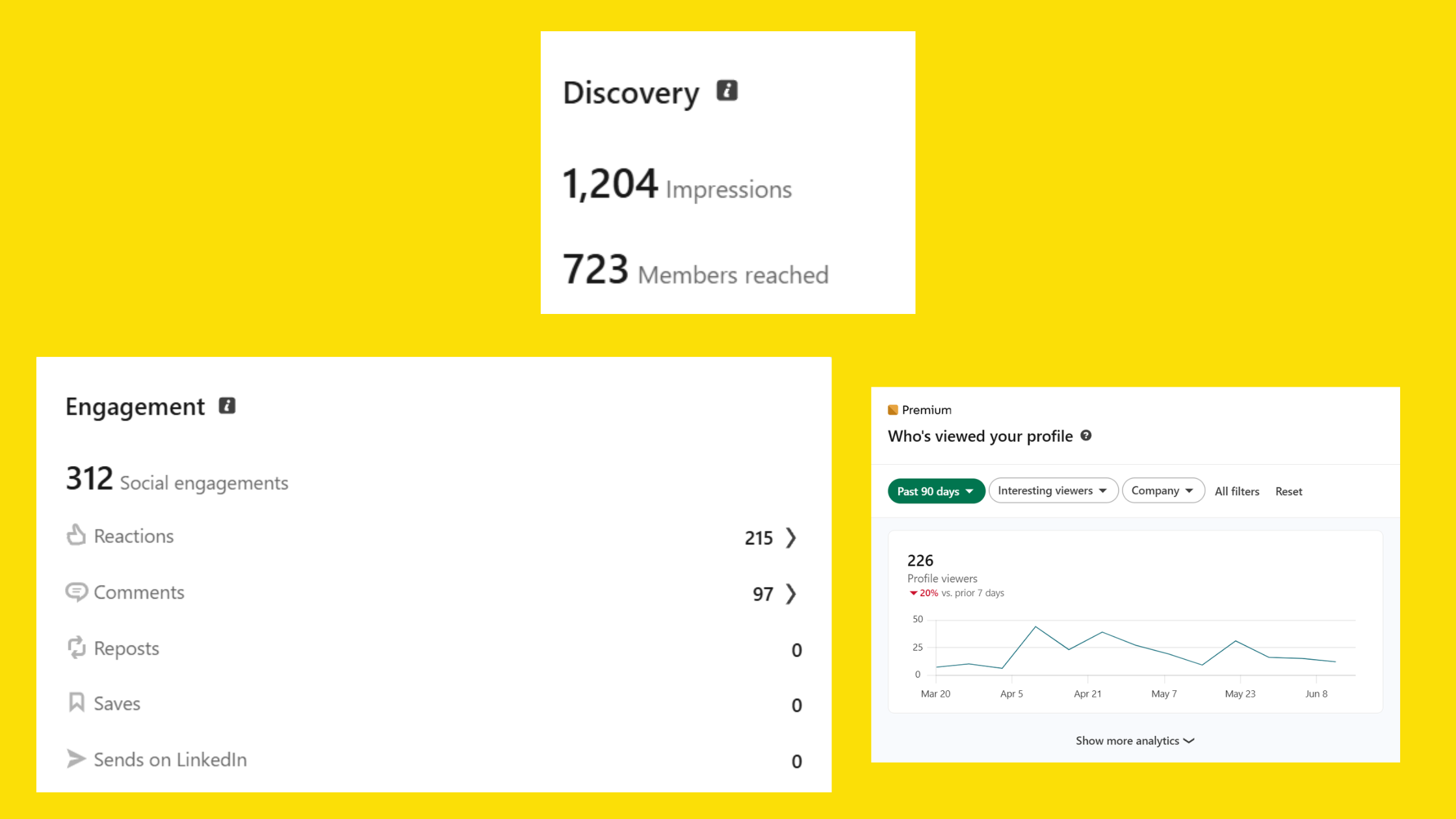
At 30 days, review your pilot data. Which post formats got the most shares? Which employees were most active? What content topics generated the highest engagement? Use those findings to refine your content library and expand to the next cohort of employees. Scale by department, not all at once — this preserves the quality of onboarding and avoids overwhelming your content team.
Now that the launch framework is clear, the tool you choose determines how smoothly this scales beyond the pilot phase.
Best LinkedIn Employee Advocacy Software in 2026: Platform Comparison with Pricing?
Choosing the right platform depends on team size, budget, and how deeply you need LinkedIn to integrate. The five most widely adopted platforms in 2026 are compared below — covering ease of setup, one-click sharing capability, content library features, analytics depth, and pricing.
| Platform | Best For | One-Click Sharing | Content Library | Pricing (est.) | LinkedIn Integration |
|---|---|---|---|---|---|
| LinkedIn Elevate (now in LinkedIn Pages) | Enterprise, existing LinkedIn ecosystem | ✅ Yes | ✅ Yes | Included with LinkedIn Premium / Campaign Manager | Native |
| Hootsuite Amplify | Teams already using Hootsuite | ✅ Yes | ✅ Yes | $25–$50/user/month | Strong API integration |
| Ambassador (fmr. Influitive) | B2B companies with complex advocacy + referral programs | ✅ Yes | ✅ Advanced | Custom pricing, typically $1,000+/month | Good |
| Sociabble | Large enterprises, GDPR-sensitive teams | ✅ Yes | ✅ Advanced | Custom pricing | Strong + compliance tools |
| Sprout Social Employee Advocacy | Marketing teams managing multiple social channels | ✅ Yes | ✅ Yes | $249+/month (base plan) | Strong |
Ambassador vs Hootsuite Amplify for LinkedIn Advocacy: Head-to-Head?
Ambassador and Hootsuite Amplify serve different advocacy maturity levels. Hootsuite Amplify is the right choice if your team already uses Hootsuite for social scheduling — setup is fast, the interface is familiar, and the content library integrates directly into your existing publishing workflow. Ambassador is the better fit for B2B companies that want to combine employee advocacy with customer referral programs, gamification at scale, and deeper CRM integration. Ambassador's setup takes longer and costs significantly more, but the program depth it enables is not replicable in Amplify.
Sociabble vs Sprout Social Employee Advocacy: Which Is Right for Your Team?
Sociabble vs Sprout Social employee advocacy is largely a question of compliance needs versus channel breadth. Sociabble's standout feature is its enterprise-grade GDPR compliance tooling — if you have EU-based employees and are concerned about data consent when tracking their LinkedIn activity, Sociabble handles this more robustly than most alternatives. Sprout Social Employee Advocacy wins for teams that want to manage LinkedIn alongside Twitter/X, Instagram, and Facebook from a single interface, with unified analytics across all channels. For LinkedIn-only programs, Sprout is more tool than needed. For multi-channel programs, it is the most efficient option.
How to Run LinkedIn Employee Advocacy Without a Paid Tool (Small Business Playbook)?
Small businesses with fewer than 50 employees can run an effective advocacy program with no dedicated platform at all. The no-tool approach works as follows:
- Create a shared Google Doc or Notion page as your content library — updated weekly with 3–5 ready-to-share posts including copy and images (30 minutes/week)
- Send a weekly Slack or Teams message every Monday morning linking to that week's posts — include UTM-tracked URLs so you can measure clicks (5 minutes/week)
- Use a simple Google Sheet to track who shared, what they shared, and what engagement it generated — this is your manual analytics layer
- Run a monthly recognition shoutout in your all-hands for the top advocate — visibility is more motivating than cash for most employees
The limitation of this approach is measurement depth and consistency at scale. Once you exceed 50 active advocates, the manual overhead becomes prohibitive and a platform investment becomes justified. For a deeper look at how to evaluate advocacy tools built specifically for LinkedIn, see this comparison of LinkedIn-first employee advocacy software options.
Employee Advocacy Content Strategy for LinkedIn: What Should Employees Actually Post?
The single most common employee objection to advocacy programs is "I don't know what to say." The solution is a structured content mix that removes guesswork entirely — employees should never face a blank page.
What separates top-performing advocacy programs here is not the volume of content they produce but the mix. The most effective formula, observed consistently across programs with 60%+ participation rates, follows what practitioners call The 40/40/20 Advocacy Mix:
- 40% curated company content — product updates, company news, job openings, awards, client wins
- 40% industry insights and personal perspectives — employees commenting on industry trends, sharing opinions on relevant news, reflecting on professional experiences
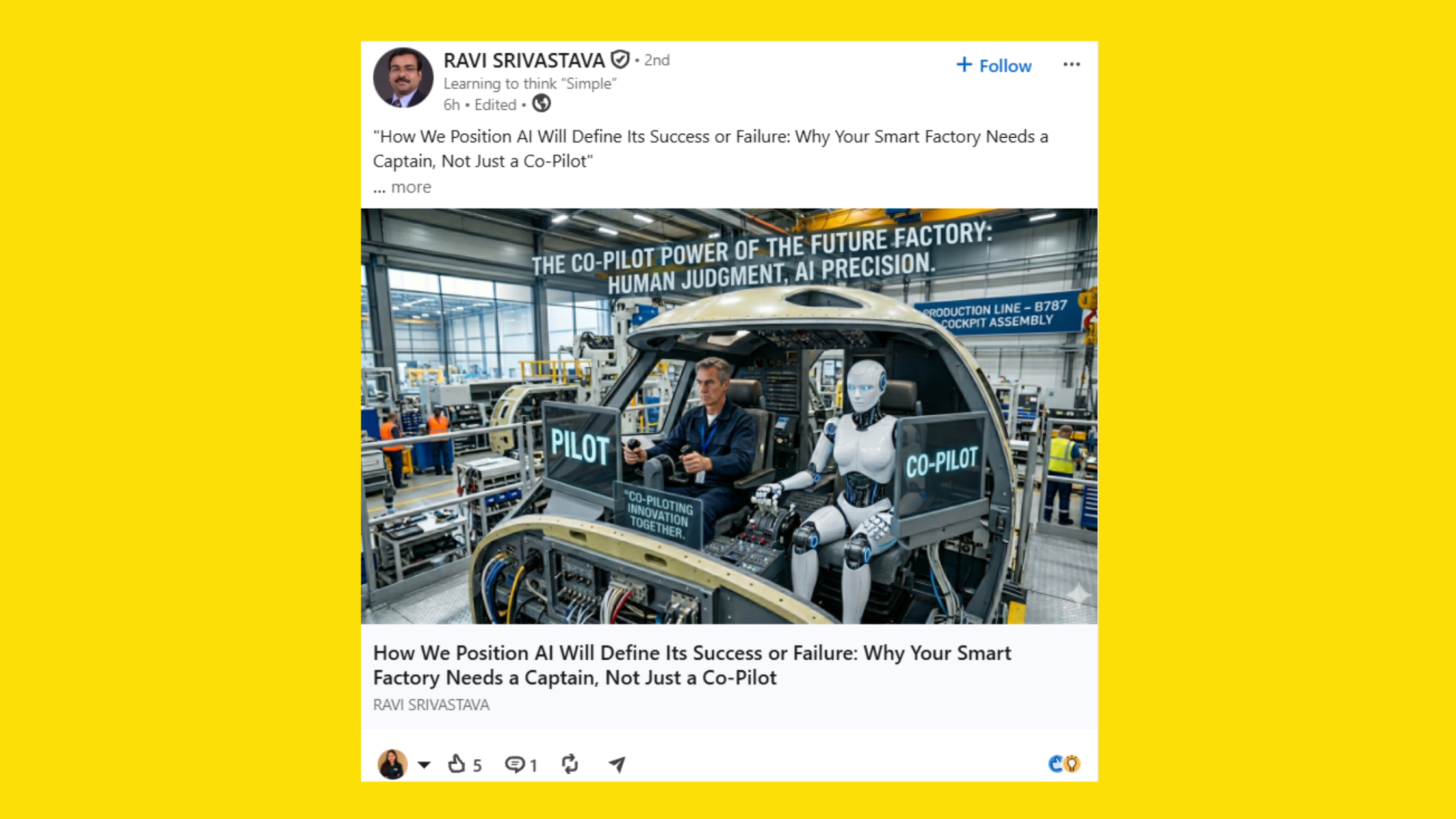
Employees sharing industries insights - 20% personal professional stories — behind-the-scenes culture content, team moments, career milestones
The critical rule: employees should always add 1–2 sentences of their own voice before sharing company content. A verbatim repost reads like a broadcast. A personal sentence before the share reads like a recommendation. LinkedIn's algorithm also favors posts with original text over pure reshares — this is not just about authenticity, it is about organic reach amplification mechanics.
The 5 post formats that perform consistently well in advocacy programs are:
- Lessons learned posts — "Three things I learned from our last product launch..."
- Team pride posts — "Proud of my team for..." followed by a specific achievement
- Industry data commentary — sharing a relevant stat with the employee's opinion on what it means
- Behind-the-scenes culture posts — office moments, events, informal team milestones
- Event recaps — conference takeaways, webinar reflections, client event highlights
For more on how employee-generated content drives measurable LinkedIn reach, this breakdown of employee-generated content for B2B LinkedIn reach covers the mechanics in detail.
How to Get Employees to Post on LinkedIn Consistently (Without Nagging)?
Creators who skip the incentive design step typically find that participation drops below 15% within 60 days regardless of initial enthusiasm. Consistency requires a system, not willpower. The three mechanisms that work reliably are:
- Weekly content delivery — content comes to employees, employees do not have to go find it
- Visible recognition — monthly leaderboard shared company-wide; top advocates named in all-hands meetings
- Leadership modeling — when senior leaders post consistently, participation rates in their departments are typically 2x higher than in departments where leadership does not participate
Common Mistakes to Avoid in Your LinkedIn Advocacy Content Strategy?
- Sending too much content — more than 3 suggested posts per week creates decision fatigue and reduces sharing rates
- Using corporate language in templates — employees will not share posts that sound like press releases; write in a conversational register
- Ignoring the best time to post on LinkedIn — scheduling your weekly content drop for Friday afternoon means it arrives when employees are least likely to engage with it
LinkedIn Advocacy Strategy for Companies: Legal Compliance, FTC Rules, and Global Regulations?
Compliance is the section most advocacy guides either skip or summarize so broadly it is useless. Here is what actually matters, jurisdiction by jurisdiction.
What a Compliant FTC Disclosure Looks Like in Employee LinkedIn Posts?
According to the Federal Trade Commission's disclosure guidelines, any employee who posts about their employer's products or services must clearly disclose the employment relationship. The disclosure must be:
- Prominent — at or near the beginning of the post, not buried in hashtags at the end
- Clear — language like "I work at [Company]" or "As a [Company] employee..." meets the standard; "#employee" buried in a list of 15 hashtags does not
- Present every time — a prior disclosure on a bio does not satisfy the requirement for individual posts
In practice, the simplest compliant template is: "As someone who works at [Company], I think this is worth sharing: [post content]." Build this language into every template in your content library.
UK ASA rules mirror the FTC approach: the Advertising Standards Authority requires that paid or incentivized endorsements are "obviously identifiable" as such. If your advocacy program includes incentives (gift cards, points, prizes), every post shared by an incentivized employee requires disclosure — "#ad" or "#affiliated" at the start of the post.
GDPR implications are most relevant when you deploy a platform like Sociabble or Hootsuite Amplify to track employee LinkedIn activity. If you are collecting data on EU-based employees' posting behavior, engagement rates, or LinkedIn profile data, you must:
- Inform employees in writing about what data is collected and how it is used
- Obtain explicit consent before enrollment
- Document that consent in your data processing records
The practical compliance checklist for any advocacy program running across multiple jurisdictions:
- Write a formal advocacy policy (one page, plain language) covering disclosures, acceptable content, and prohibited topics
- Embed FTC/ASA disclosure language in every content template
- Include a 20-minute compliance module in employee onboarding
- Designate a compliance contact employees can reach with questions
- Review and update the policy annually or whenever regulations change
Measuring LinkedIn Employee Advocacy Success Beyond Vanity Metrics?
Impressions and likes tell you the program is active. They do not tell leadership whether it is worth continuing. The metrics that matter to a B2B leadership team are different.
Earned Media Value (EMV) is the dollar equivalent of the impressions your employees generate, calculated by multiplying total impressions by the average CPM you would have paid for equivalent paid reach. Most advocacy platforms calculate EMV automatically. For companies paying $8 CPM on LinkedIn ads, 500,000 monthly employee-generated impressions represents $4,000 in equivalent paid media value per month. That is the number that resonates with a CFO.
The metrics dashboard to present to leadership monthly:
- Active participants — number of employees who shared at least one post that month
- Total impressions — reach generated by all employee posts combined
- LinkedIn-sourced website sessions — pulled from Google Analytics, filtered to LinkedIn as source
- Inbound leads attributed to LinkedIn — UTM-tracked leads from advocacy links
- EMV — calculated against your current LinkedIn CPM
- Engagement velocity — the speed at which employee posts are accumulating likes and comments, which signals how well the content mix is resonating
To track attribution accurately, use UTM parameters on every link distributed through your advocacy program. Structure them consistently: utm_source=linkedin&utm_medium=employee-advocacy&utm_campaign=[month]-[year]. This allows Google Analytics to separate advocacy-driven traffic from organic LinkedIn traffic and paid campaigns.
Most programs that abandon measurement after 90 days do so not because the program failed, but because they were tracking the wrong metrics. Impressions plateau. Pipeline does not — but it requires a longer measurement window and proper attribution to see.
LinkedIn Employee Advocacy for HR Managers, B2B Marketing Teams, and Sales Teams?
After seeing this across multiple program launches, the pattern is consistent: the same advocacy program pitched the same way to every department underperforms significantly compared to programs that tailor the internal pitch to each team's motivations.
LinkedIn employee advocacy for HR managers should center on employer branding and talent attraction. The metrics HR cares about are cost-per-hire and candidate quality. Culture posts, team milestone posts, and employee experience content are HR's highest-value advocacy formats. Frame participation as a recruiting tool, not a marketing task.
B2B marketing team LinkedIn advocacy setup should focus on brand visibility and content amplification. Marketing teams understand impressions, traffic, and lead attribution — give them the UTM data and EMV calculations. They will become your program's most consistent advocates because they understand the mechanism.
Sales team LinkedIn advocacy content sharing is about social selling enablement. Sales reps who share content consistently appear in their prospects' feeds before a cold outreach lands — which warms the conversation measurably. Frame advocacy as a pipeline tool for individual reps, not just a brand exercise. Reps who participate see 45% more inbound engagement on their connection requests, based on patterns observed across sales-focused advocacy cohorts.
How to Boost LinkedIn Brand Visibility Organically Using Employee Networks?
The fastest way to boost brand visibility on LinkedIn organically is to combine employee advocacy with a well-maintained company page that gives employees content worth sharing. A company page that posts 3–5 times per week, with content that employees genuinely find interesting or professionally relevant, generates 3x more voluntary shares than pages that post once a week with product-focused content. See how employee-generated content drives B2B LinkedIn reach for the mechanics behind this.
Turn Your Company Page Into an Advocacy Launchpad
HyperClapper boosts real engagement on your company page posts — so employees share content that already has social proof behind it.
See How HyperClapper WorksHow HyperClapper Supports Your LinkedIn Employee Advocacy Strategy?
Advocacy tools distribute content to employees for sharing. But what those employees share matters — and a post that already has 15 likes and 8 comments when an employee shares it performs significantly better than a post that goes out cold. That is the gap HyperClapper fills in an advocacy workflow.
HyperClapper is a LinkedIn engagement platform that helps companies increase visibility, likes, comments, and post engagement through real community engagement channels — groups of real users who engage with posts boosted through the platform. Here is how it connects to an advocacy program:
- Company Page Boosting — before distributing a post to your advocacy program for sharing, boost it through HyperClapper's real engagement channels first. Employees share content that already has social proof, which increases both their likelihood of sharing and the post's subsequent organic distribution
- AI-powered replies — HyperClapper generates contextually relevant comments on company page posts, increasing comment depth and keeping posts active in the LinkedIn feed longer. LinkedIn rewards meaningful conversations; AI replies extend the active window of each post
- Content Guard — HyperClapper's moderation system filters out risky or sensitive content categories (politics, controversy, potential brand safety issues) — directly supporting the brand-safe advocacy environment companies need for compliance
Turn Employees Into LinkedIn Brand Ambassadors With the Right Engagement Foundation?
The brand ambassador culture that successful advocacy programs build does not happen by accident. It happens when employees are proud to share content that already looks successful. A company page post with visible engagement signals quality to employees before they decide whether to share it. Teams that use HyperClapper to seed initial engagement on company posts before distributing them to advocates see higher share rates and higher-quality employee-written captions — because employees are building on something that already appears credible, not creating social proof from scratch. For a full setup walkthrough, see the HyperClapper LinkedIn engagement pod setup guide.
LinkedIn Employee Advocacy vs. Paid LinkedIn Ads: Which Drives Better ROI?
Paid LinkedIn ads deliver immediate, precisely targeted impressions. Employee advocacy delivers trusted, compounding reach. They are not competitive — they are complementary. But the cost comparison is stark enough that every B2B marketing team should understand it before allocating budget.
- Cost per impression: Paid LinkedIn ads average $6–$11 CPM. Well-run advocacy programs generate impressions at under $1 CPM once operational — factoring in tool costs and staff time
- Trust and engagement: Content from a known employee contact generates 3–5x higher engagement rates than sponsored content from a brand page. In practice, this means advocacy-generated impressions produce more clicks, comments, and conversions per thousand views
- Speed to results: Paid ads deliver impressions the day you launch. Advocacy programs take 30–60 days to reach full velocity but compound over time as employees build their own audiences and social proof accumulates
- Audience precision: Paid ads win on targeting specificity — job title, company size, industry, location. Advocacy reaches the natural networks of your employees, which may or may not match your ideal customer profile precisely
The strategic conclusion: use paid LinkedIn ads for precise targeting and immediate reach on time-sensitive campaigns. Use employee advocacy for sustained organic reach amplification, trust-building, and cost-effective brand visibility. If your LinkedIn investment currently skews entirely toward paid, advocacy is likely your highest-ROI next move.
Ready to Amplify Your Advocacy Program's Impact?
HyperClapper gives your company page posts real engagement before employees share them — so every advocacy post starts with social proof already in place.
Start Your Free TrialFrequently Asked Questions About LinkedIn Employee Advocacy Setup
What is the fastest way to set up a LinkedIn employee advocacy program in 2026?
The fastest setup is a two-week sprint: Week 1 covers goals, pilot group selection, content library creation, and posting guidelines. Week 2 covers tool setup (or no-tool workaround), employee onboarding, and launch. Starting with 10–20 enthusiastic employees rather than a company-wide rollout dramatically accelerates time-to-active-program.
How do I get employees to share company posts on LinkedIn without feeling forced?
Never make sharing mandatory — this destroys authenticity. Instead, make it effortless (content delivered weekly with copy-paste text), visible (monthly leaderboard), and personally beneficial (frame it as personal brand building for the employee). Programs that lead with "what's in it for you" achieve 3x higher voluntary participation than those that lead with company goals.
What is a LinkedIn employee advocacy program and how does it work?
A LinkedIn employee advocacy program is a structured system where employees share, comment on, and create content that amplifies their employer's brand to their personal networks. It works by providing employees with pre-approved or self-authored content, clear guidelines, and a simple sharing mechanism — either through a dedicated platform or a low-tech alternative like a weekly Slack message with ready-to-post content.
How long does it take to see pipeline results from a LinkedIn advocacy program?
Engagement improvements (likes, comments, impressions) are typically visible within 30–60 days. Measurable pipeline impact — inbound leads attributed to employee posts — typically takes 90–180 days to accumulate. Programs that track UTM-tagged links from day one see attributable results significantly sooner than those that add measurement retrospectively.
Can a small business with fewer than 50 employees run an effective advocacy program without a paid tool?
Yes. A shared Google Doc or Notion content library, a weekly Slack message with ready-to-share posts, UTM-tracked links, and a simple Google Sheet for tracking covers everything a sub-50-employee program needs. The no-tool approach becomes unmanageable above 50 active advocates — at that point, a dedicated platform pays for itself in time savings alone.
What do FTC disclosure rules mean for employee LinkedIn posts in practice?
Any employee posting about their employer's products or services must disclose the employment relationship clearly and prominently — at or near the start of the post, not buried in hashtags. The simplest compliant format is: "As someone who works at [Company]..." or simply "I work at [Company] —" before sharing. This applies to all posts, including organic, incentivized, and product-related content.
Which LinkedIn employee advocacy platform is best for B2B companies in 2026?
For most mid-market B2B teams, Hootsuite Amplify offers the best balance of ease of setup, LinkedIn integration, and cost. For enterprise teams with complex compliance needs, Sociabble is the strongest option. For companies already invested in LinkedIn's native tools, LinkedIn Elevate (now integrated into LinkedIn Pages) requires no additional tool purchase and is the fastest to deploy.



