A pattern observed consistently across high-performing LinkedIn accounts is that the professionals who grow fastest are not just good at knowing what to post — they're equally disciplined about knowing what not to post. The platform's audience includes hiring managers, senior clients, and industry peers who remember a tone-deaf post long after the likes fade. LinkedIn content ideas that feel inspired in the moment can become career liabilities within 24 hours — and unlike Twitter, LinkedIn posts are indexed, screenshot, and surfaced in Google results for months.
- LinkedIn punishes low-quality engagement bait with algorithmic suppression — not just social embarrassment.
- Oversharing personal struggles without professional framing is the single most-regretted category of post among working professionals.
- Video posts lead engagement in 2026 (5.90% avg. rate), but format alone won't save poor content choices.
- Niche-specific content consistently outperforms generic lists — a recruiter's content mix and a SaaS founder's are completely different.
- A pre-publish checklist removes most regrettable posts before they go live.
- The most counterintuitive finding: posting less frequently with more intentional content outperforms daily posting for long-term personal brand growth.
- Why So Many LinkedIn Content Ideas Blow Up in Your Face
- The LinkedIn Content Mistakes Professionals Make Most Often
- LinkedIn Content Ideas That Actually Work: Personal vs. Company Page
- Building a LinkedIn Content Strategy That Doesn't Backfire
- Frequently Asked Questions About LinkedIn Content Regrets
Why So Many LinkedIn Content Ideas Blow Up in Your Face
LinkedIn is a professional network first. Content that performs well on Instagram or X often reads as attention-seeking or tone-deaf here — and the LinkedIn algorithm engagement signals reflect that quickly. Low-quality engagement (comments like "🔥" with no substance, or one-word reactions from irrelevant accounts) actively suppresses distribution in ways most creators don't realise until their reach has already cratered.
The recurring pain point, observed across thousands of creator accounts, is that professionals default to trending formats or emotional oversharing when they run out of original ideas. That shortcut is where most regrettable posts originate. LinkedIn's audience — hiring managers, senior clients, prospective partners, industry peers — doesn't forget. A single poorly-judged post is indexed by Google, easily screenshot, and remembered far longer than on any other platform. According to research cited by Graphic Detail, posts with visuals receive 94% more views than text-only posts — but visual engagement bait without substance is still punished.
How the LinkedIn Algorithm Rewards (and Punishes) Your Content Choices
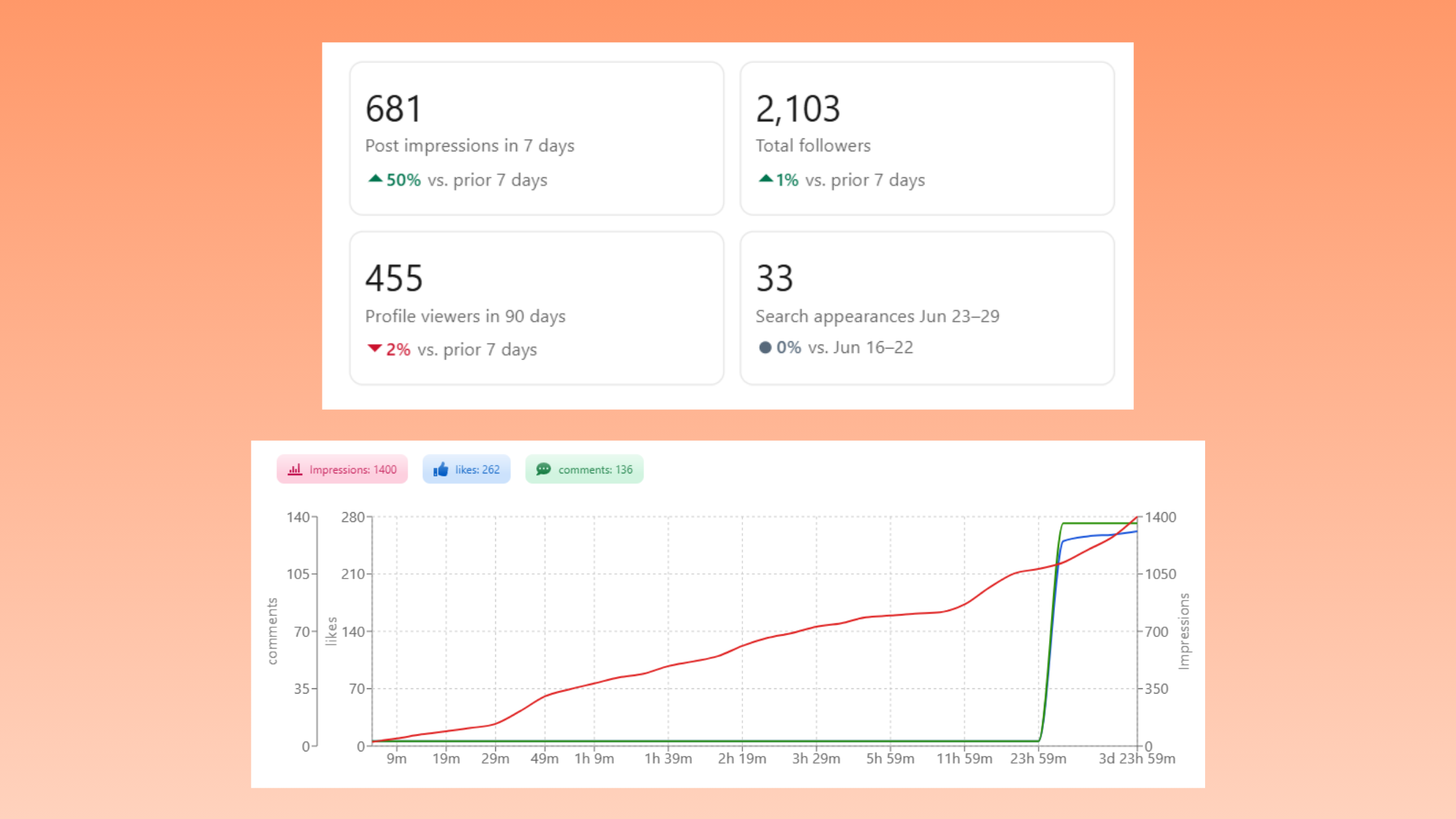
LinkedIn algorithm engagement signals are the quality metrics the platform uses to decide how broadly to distribute a post. Early engagement velocity (meaningful comments and shares in the first 60–90 minutes) signals high-quality content. Shallow engagement — mass reactions from unrelated industries, vague emojis, or self-congratulatory threads — signals the opposite. Accounts that repeatedly trigger low-quality engagement patterns typically see reach decay within 2–3 weeks, requiring a consistent run of genuinely strong content to recover distribution.
Understanding why posts backfire is the foundation of any personal brand narrative strategy that holds up long-term. The next section maps the specific categories professionals regret most — and why.
The LinkedIn Content Mistakes Professionals Make Most Often (And Regret)
Teams that audit their own LinkedIn performance consistently find the same failure patterns — and they're rarely about bad writing. They're about misjudging the platform's professional contract.
What Not to Post on LinkedIn: The Content Categories That Consistently Hurt Careers
Here are the LinkedIn content mistakes professionals make at the highest frequency — and the mechanism by which each one damages credibility:
- LinkedIn engagement bait backfire: Posts like "Type 1 for yes, 2 for no" or "Comment FIRE if you agree" spike vanity metrics but signal low content quality to the algorithm and low credibility to real readers. Hiring managers and senior professionals recognise bait immediately — and it tells them something unflattering about your content judgment.
- Oversharing on LinkedIn risks: Posting about personal health crises, relationship breakdowns, or raw grief without a clear professional framing crosses from relatable storytelling into TMI. The test: does this post teach something, or does it simply ask for sympathy? The latter erodes the professional image you've spent months building.
- Unprofessional LinkedIn content examples: Vague humblebrags ("Humbled to announce..."), passive-aggressive call-outs of unnamed former employers, and motivational platitudes recycled from other platforms. These are immediately recognisable and consistently cited by recruiters as credibility flags.
- What types of LinkedIn posts damage your reputation most: Political statements, religious opinions, and takes on divisive global events — especially when framed as industry insight when they're really personal belief. These posts frequently appear in creative linkedin posts examples threads as cautionary tales, not inspiration.
The most common failure mode is not ignorance of the rules — it's urgency. Professionals post the wrong thing when they feel pressure to stay visible and have nothing genuinely useful to say that day.
The Unwritten Rules of Professional LinkedIn Posting in 2026
The LinkedIn posts that hurt your personal brand most in 2026 share a common trait: they prioritise the poster's emotional state over the audience's professional needs. The unwritten rules that high-credibility professionals follow:
- Every post should offer value — insight, perspective, data, or a clear lesson — to the reader, not just the writer.
- If a post would feel uncomfortable on a first client meeting agenda, it doesn't belong on LinkedIn.
- Controversy is only useful when it's industry-relevant and backed by evidence — not when it's personal opinion dressed as thought leadership.
- Consistency of voice matters more than frequency. Ten posts that sound like you outperform thirty posts that chase trends.
Now that the failure modes are clear, the more useful question is what does work — and how the answer differs by page type and industry.
LinkedIn Content Ideas That Actually Work: Personal Page vs. Company Page
According to ContentIn's 2026 LinkedIn Content Statistics, video posts lead engagement at 5.90%, followed by image posts at 5.20% — up from 5.00% in Q4 2025 — with text-only posts at 4.30% and polls trailing at roughly 3.80%. Format matters, but only inside the right content strategy.
In practice, the distinction between personal page and company page strategy is where most LinkedIn content calendars fail. They apply the same template to both — and neither performs well.
Content Ideas by Industry: Why Generic Lists Fail and Niche Framing Wins
What separates top-performing accounts from average ones is not the format — it's the specificity. A SaaS founder's highest-engagement posts are typically product-decision stories and lessons from failed experiments. A recruiter's are candidate psychology insights and hiring trend data. A coach's are client transformation frameworks and contrarian career advice. Generic linkedin content ideas lists give everyone the same suggestions regardless of audience — which is exactly why most of them produce mediocre results.
The approach that works consistently: build a content pillar document with 20–30 specific topics anchored to your audience's actual professional problems. A B2B marketer's pillars look like: demand generation tactics, campaign post-mortems, and team structure learnings. A recruiter's look like: interview red flags, salary benchmarking, and workforce trend commentary. The format can be identical — the niche framing is what drives relevance and saves rates.
Best-performing formats in 2026 by use case:
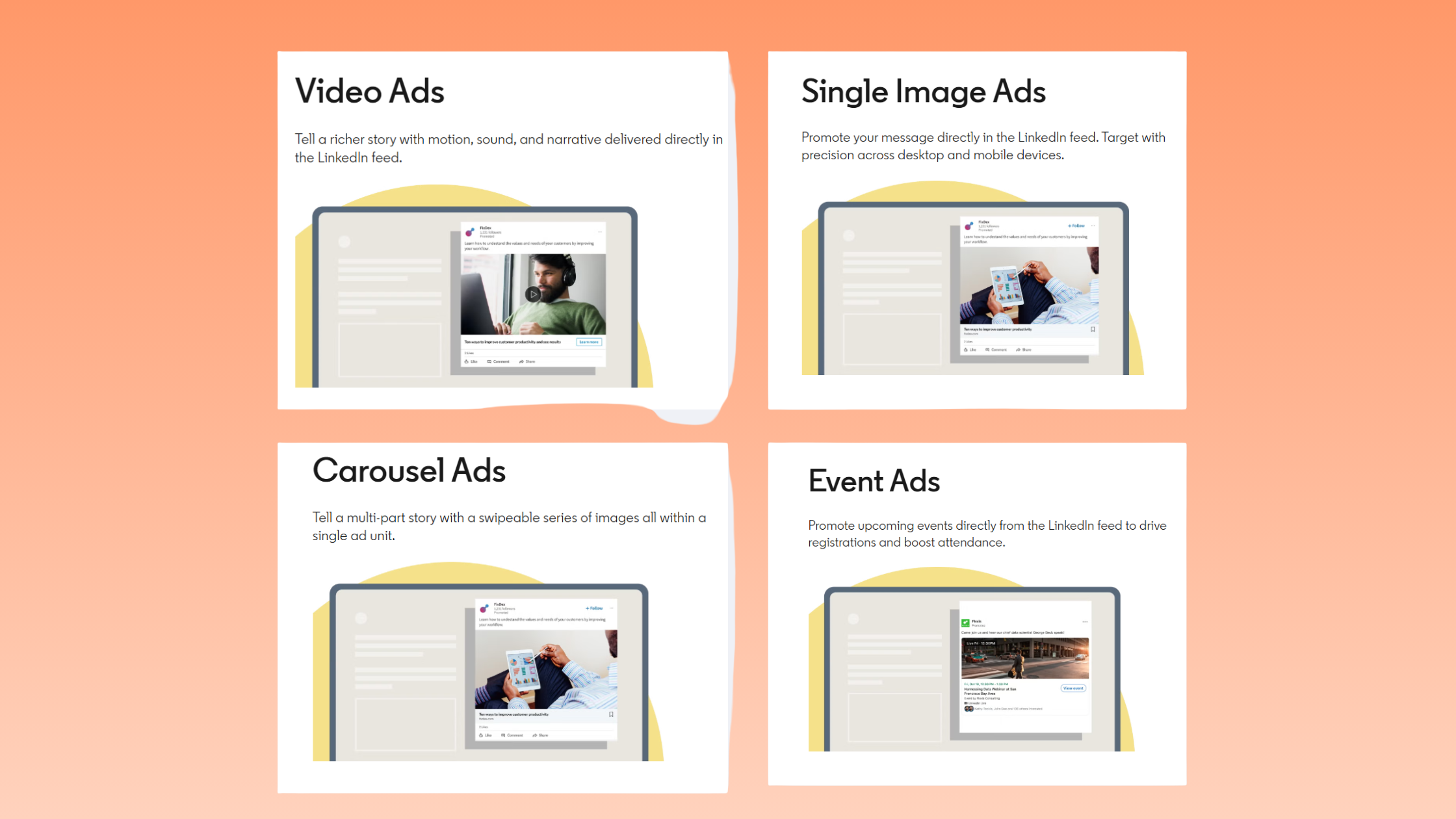
- Carousels: High save rate, strong dwell time — best for frameworks, step-by-step guides, or data breakdowns.
- Native video under 90 seconds: Highest engagement rate of any format; best for opinions, reactions, and behind-the-scenes moments.
- Text-only storytelling posts: Best for personal narrative, career lessons, and honest professional takes — when the writing is strong enough to stand alone.
- Single-question polls tied to a real industry debate: Drives comments when the question is genuinely contested; fails as engagement bait when the answer is obvious.
How to Repurpose Content From Other Platforms Without It Feeling Like Leftovers
The most common repurposing mistake is copy-pasting. A Twitter thread dropped into LinkedIn as a long post reads like a Twitter thread. A YouTube script posted as a text post reads like a script. Effective repurposing means reframing the same idea in LinkedIn's native language: first-person professional context, a clear lesson for your specific audience, and a format native to the platform (carousel instead of thread, story-driven text post instead of listicle).
For a deeper look at building a content strategy that reflects your personal brand, the full framework covers platform-by-platform repurposing with LinkedIn-native adaptations.
Want to boost the LinkedIn content that's actually working for you?
HyperClapper connects your best posts with real engagement communities — real likes, real comments, and AI-powered replies that keep conversations active.
See How HyperClapper WorksBuilding a LinkedIn Content Strategy That Doesn't Backfire: Calendar, Cadence, and Safeguards
3–5 posts per week outperforms daily posting for most professionals building a strong LinkedIn personal brand. Posting fatigue is the direct cause of rushed, regrettable content — when you post daily without a real content bank, you start reaching for emotional oversharing or hollow trending topics just to fill the calendar.
How long should LinkedIn posts be for maximum engagement? Short-form posts under 150 words work for punchy observations and quick takes. Long-form posts in the 900–1,300 character range work best for story-driven content and detailed professional insights. The dead zone is 200–400 characters — long enough to promise substance, short enough to deliver none. Avoid it entirely.
LinkedIn Content Performance Metrics: How to Know if Your Strategy Is Working
Most professionals track likes. The metrics that actually indicate a healthy thought leadership strategy are different:
- Save rate: Saves signal that a post is genuinely useful — readers are bookmarking it, not just scrolling past. High saves on carousels and frameworks indicate content worth repeating.
- Comment quality: Substantive replies (more than 5 words) from relevant professionals indicate topical authority. Emoji reactions from unrelated industries don't move the needle on professional credibility.
- Profile visits post-publish: A strong indicator that a post sparked enough curiosity to prompt a full profile review — the precursor to inbound connection requests and client interest.
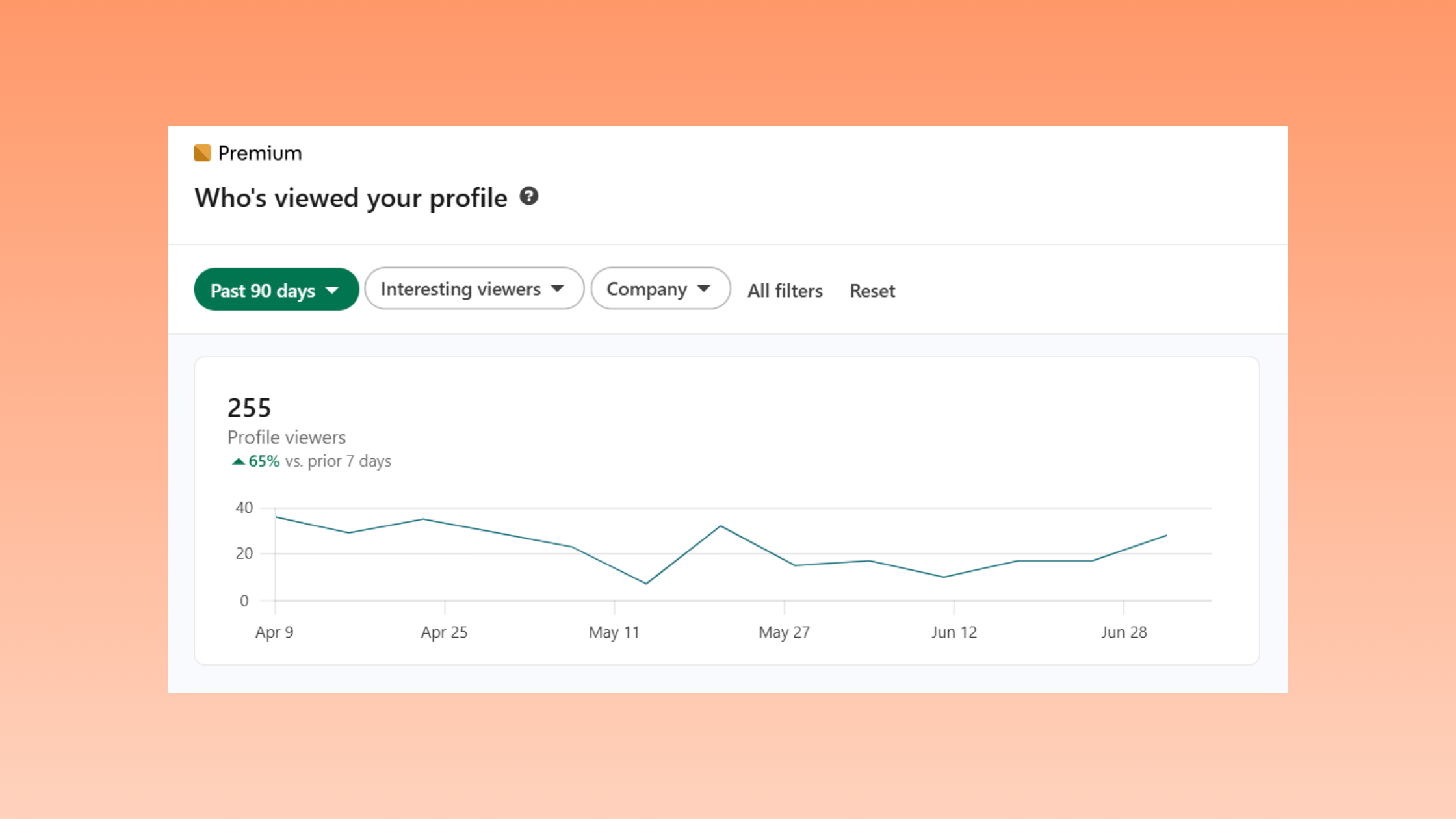
LinkedIn Profile visits - Follower growth rate per post: Tracks which content formats are expanding your audience vs. just engaging your existing one.
Tools like HyperClapper provide post-level analytics that track engagement quality alongside volume — so you can identify which content pillars are driving real professional growth, not just vanity metrics. The platform's Content Guard feature also flags sensitive or risky content before it publishes, which serves as a practical safeguard against the LinkedIn posts that hurt your personal brand covered earlier in this article.
For more on how to work with the LinkedIn algorithm without posting more content, the full breakdown covers distribution mechanics in detail.
✓ The LinkedIn Pre-Publish Checklist
- ☐Does this post offer clear value to my professional audience — not just to me?
- ☐Would I be comfortable if a senior client or hiring manager saw this post today?
- ☐Is any personal disclosure in this post framed around a professional lesson?
- ☐Have I avoided political, religious, or divisive opinions unrelated to my industry?
- ☐Is my hook specific enough that it wouldn't fit on any other professional's page?
- ☐Have I avoided engagement bait phrases that prompt hollow reactions?
- ☐Does this post add a perspective my audience hasn't read this week?
What consistently separates accounts that build real professional authority from those that plateau is not posting frequency or format diversity — it is the discipline to only publish what genuinely serves the audience. Every regrettable post is evidence that the discipline slipped, not that the idea was bad.
Ready to grow your LinkedIn presence without the guesswork?
HyperClapper's Content Guard flags risky posts before they go live, while real engagement channels amplify the content that's genuinely on-brand for you.
Try HyperClapper FreeFrequently Asked Questions About LinkedIn Content Regrets
What kinds of LinkedIn content do professionals most often regret posting?
The most-regretted category is emotionally driven oversharing — posts about personal grief, health crises, or relationship difficulties without professional framing. Close behind are political hot takes, passive-aggressive comments about former employers, and engagement bait posts that attracted hollow attention but damaged credibility with the audiences that actually matter for career growth.
Does posting controversial opinions on LinkedIn hurt your career?
Yes, when the opinion is divisive rather than industry-relevant. Controversial takes grounded in professional expertise — a counterintuitive hiring position, a contrarian market view — can build authority. Opinions on politics, religion, or polarising global events typically reduce perceived professionalism, particularly with hiring managers and senior clients who may not share those views.
How can oversharing on LinkedIn negatively impact your professional image?
Oversharing on LinkedIn erodes the professional image you've built by shifting how your network perceives your judgment. When personal disclosures lack a professional lesson or framing, readers — including recruiters and clients — question whether you understand the platform's professional norms. That perception, once formed, is slow to reverse.
Which LinkedIn post formats are considered unprofessional by hiring managers?
Engagement bait posts ("comment YES if you agree"), vague humblebrags, copy-pasted motivational quotes with no original context, and political opinion posts are consistently flagged by hiring managers as red flags. These formats signal poor content judgment — which, in a professional context, reflects on broader decision-making ability.
Can LinkedIn posts affect job opportunities — and how quickly?
Yes — and faster than most people expect. Recruiters routinely review LinkedIn activity before outreach, and a single controversial or unprofessional post can eliminate a candidate before contact is made. Because LinkedIn posts are indexed by Google, they can surface in searches months or years after publishing, even if deleted from the platform.
What are the unwritten rules of professional LinkedIn posting in 2026?
Every post should offer value to the reader, not just the writer. Personal disclosures need a professional lesson to justify the share. Controversy should be industry-grounded, not personal-belief-driven. Consistency of voice matters more than posting frequency. And the test for any post is simple: would this serve or embarrass you in a professional meeting?
Is it bad to post personal opinions on LinkedIn?
It depends on the type of opinion. Professional opinions — contrarian industry views, experience-backed career advice, honest post-mortems — are among LinkedIn's highest-performing content types. Personal opinions on politics, religion, or divisive cultural topics are a different matter: they routinely reduce professional credibility without adding equivalent value to your target audience.