
LinkedIn engagement pods — coordinated groups where members mutually like and comment on each other's posts to trigger algorithmic reach amplification — have been controversial since they went mainstream around 2020. A pattern consistently observed across accounts that rely on them is this: short-term visibility spikes, followed by plateau or decline once LinkedIn's detection systems catch up. In 2026, the question isn't just "do pods work?" — it's whether the algorithm now treats coordinated engagement as a signal to amplify or suppress. This article gives you the honest, current answer, plus a clear framework for deciding whether Lempod is the right tool for your stage of growth.
- Lempod automates LinkedIn engagement pods via a browser extension — members share post URLs and receive automated likes and comments within minutes.
- LinkedIn's 2026 algorithm rewards comment depth and dwell time, not raw like counts — making templated pod comments significantly weaker than in 2021–2023.
- Using Lempod violates LinkedIn's Terms of Service and risks post suppression, account restriction, or permanent ban.
- The biggest surprise: pods can still help brand-new accounts escape LinkedIn's cold-start penalty — but hurt established accounts more than they help.
- Safer alternatives exist — tools like HyperClapper use real community engagement channels and AI-powered replies instead of automated pod mechanics.
- The honest verdict on "is Lempod worth it 2026": conditional. It depends on your account stage, risk tolerance, and content strategy — not the tool itself.
- What Are LinkedIn Engagement Pods — and How Does Lempod Work?
- Do LinkedIn Engagement Pods Still Work in 2026?
- LinkedIn Engagement Pods Risks: Can LinkedIn Ban You?
- Lempod Review 2026: Is It Worth It?
- Lempod Alternatives 2026: Best LinkedIn Engagement Pod Tools
- Frequently Asked Questions
What Are LinkedIn Engagement Pods — and How Does Lempod Work?
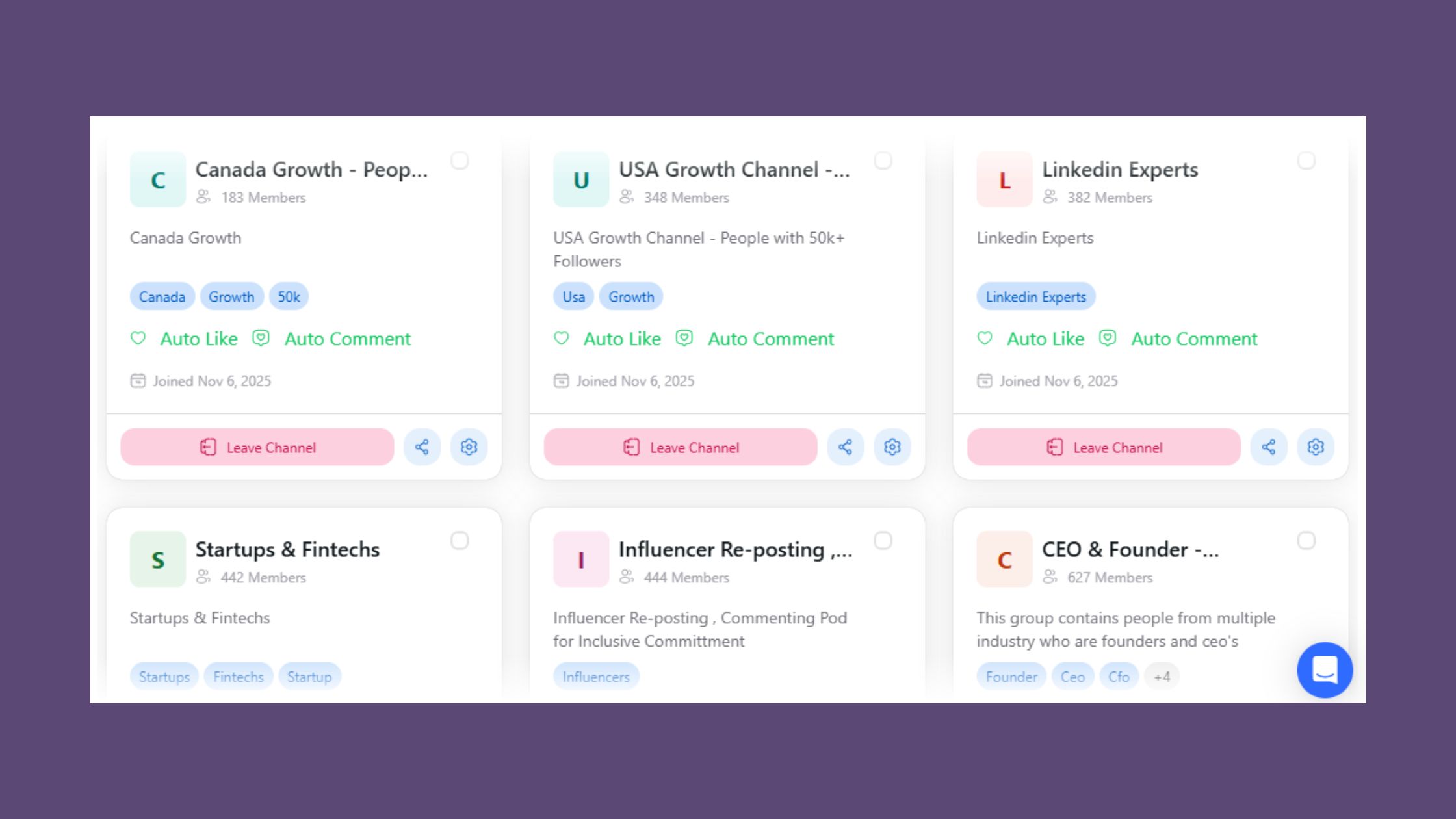
LinkedIn engagement pods are coordinated groups — private chats, Slack groups, or tool-based networks — where members agree to like and comment on each other's posts shortly after publishing. The logic: early engagement velocity is a known signal in LinkedIn's distribution model. More likes and comments in the first 60–90 minutes tells the algorithm the post is worth showing to a wider audience.
Lempod automates this process using a browser extension. Here's the mechanics:
How Lempod Works Step by Step
- Install the Lempod browser extension (Chrome-based).
- Join one or more pods filtered by industry or topic.
- Paste your LinkedIn post URL into the Lempod dashboard.
- Pod members' accounts automatically like your post and post pre-written or AI-generated comments — within minutes of submission.
- Your post receives a coordinated engagement burst designed to simulate organic early traction.
Lempod Pricing 2026
As of 2026, Lempod operates on a per-pod subscription model. Pricing is approximately $10–$15 per pod per month, with users typically joining 2–5 pods to see meaningful volume — putting monthly spend in the $20–$75 range. There is no free tier for active pod participation; a limited trial exists for new accounts. For teams or agencies managing multiple LinkedIn profiles, costs scale quickly.
With pricing clear, the more important question is whether that spend actually produces real LinkedIn distribution — or just inflated numbers.
Do LinkedIn Engagement Pods Still Work in 2026? The Algorithm Reality
Early engagement velocity still matters in 2026 — but the composition of that engagement now matters far more than raw volume. According to Digital Applied's 2026 LinkedIn Algorithm Guide, LinkedIn's algorithm now applies a Depth Score to posts — weighting comment thread length, reply activity, and dwell time over simple like counts. It also penalises engagement bait and external link posts by up to 60%.
Meanwhile, ConnectSafely's 2026 LinkedIn statistics report shows the average engagement rate on LinkedIn has risen to 3.85% — up 44% year-over-year. This means genuine content is performing better than it has in years. In practice, this makes pod-inflated metrics harder to distinguish from real growth — but also means authentic content no longer needs pods to compete.
Does Lempod Still Increase Post Reach — or Just Inflate Vanity Metrics?
What separates top-performing LinkedIn accounts from pod-dependent ones is what happens after the initial engagement burst. A recurring pattern among creators using Lempod is posts that accumulate hundreds of likes and comments from pod members — but show flat or declining impressions beyond the pod network itself. LinkedIn's algorithm appears to detect coordinated comment authenticity signals and discount them from broader distribution decisions.
Posts that get 1,000 pod-driven comments but no real replies, no saved posts, and no profile clicks are not going viral — they are performing for an audience that was paid to clap.
The short answer: for accounts with near-zero organic reach, pods can still trigger an initial visibility spike. For established accounts, the engagement quality scoring gap between pod comments and genuine engagement is now wide enough that pods frequently suppress organic reach amplification rather than boost it.
Lempod LinkedIn Algorithm Impact: What's Changed
LinkedIn's AI-driven distribution model has evolved significantly between 2023 and 2026. The platform now tracks behavioral signals beyond the post itself — including whether commenters engage with the poster's other content, whether they're connected to the poster's real network, and whether comment patterns appear across multiple posts simultaneously. These are precisely the signatures that tool-based pods generate. According to LinkedIn's own 2026 policy communications, the platform has explicitly flagged engagement groups as a practice it plans to penalise more aggressively.
LinkedIn Engagement Pods Risks: Can LinkedIn Ban You for Using Lempod?
Yes — and this is the part most pod-positive content glosses over. Using Lempod violates LinkedIn's Terms of Service directly, under the prohibition on artificial amplification of content and use of unauthorized third-party automation tools.
Does Lempod Violate LinkedIn Terms of Service?
Lempod does violate LinkedIn's Terms of Service. The enforcement spectrum runs from mild to severe:
- Most common: Post suppression — your content reaches fewer people than it would organically, defeating the purpose of using pods.
- Moderate: Temporary account restriction — loss of messaging, connection, or posting privileges for days or weeks.
- Least common but documented: Permanent account ban — especially for accounts showing repeated or high-volume pod usage patterns.
The browser extension model creates a specific fingerprint risk. LinkedIn can detect extension-driven behavior: simultaneous engagement from multiple accounts on the same post, within a short time window, using similar comment structures. This pattern is identifiable at scale.
When Should You Stop Using Engagement Pods?
Stop using engagement pods — including Lempod — when any of the following apply:
- Your account has over 2,000 followers and is generating consistent organic engagement.
- You've noticed post reach declining despite pod engagement (a common suppression signal).
- Your pods are off-topic for your content (mismatched engagement destroys quality scoring).
- LinkedIn has flagged your account with a warning or restriction — continued use dramatically increases permanent ban risk.
- Your LinkedIn profile is your primary sales or recruitment channel — the downside risk is simply too high.
For a deeper breakdown of when pods stop delivering value, see our complete 2026 LinkedIn growth playbook for what to do instead.
Lempod Review 2026: Is It Worth It — and Common Mistakes to Avoid
The most common failure mode with Lempod isn't the tool itself — it's how people use it. Most users join any available pod, boost every post they publish, and then wonder why their follower growth doesn't move despite strong engagement numbers. The creator distribution decay they experience isn't bad luck; it's a predictable consequence of low-quality engagement patterns.
Who Should (and Shouldn't) Use Lempod
Most likely to see value: New LinkedIn accounts with under 1,000 followers who are producing genuinely good content but can't escape LinkedIn's cold-start distribution penalty — the algorithm's tendency to give near-zero reach to accounts without established engagement history. For these users, a short-term pod boost can seed initial traction that organic momentum builds on.
Least likely to see value (and most at risk):
- Established personal brands with existing organic reach.
- Company pages — algorithm signals for pages differ, and pod patterns are more detectable.
- Anyone in a profession where LinkedIn is a regulated or high-trust channel (finance, legal, medical recruiting).
The three most common Lempod mistakes:
- Joining off-topic pods — engagement from irrelevant industries destroys engagement quality scoring and signals inauthenticity to the algorithm.
- Using generic or templated pod comments — these are the most easily identified coordinated comment authenticity signals LinkedIn now tracks.
- Boosting every post — consistent pod usage across all content creates a detectable behavioral fingerprint far faster than selective use.
For our full verdict on whether Lempod delivers, read the complete Lempod review 2026 with side-by-side performance analysis.
Want Real LinkedIn Engagement — Without the TOS Risk?
HyperClapper connects your posts with real engagement channels and AI-powered replies — no browser extension, no ban risk, no templated comments.
Try HyperClapper FreeLempod Alternatives 2026: Best LinkedIn Engagement Pod Tools
The best LinkedIn engagement pod tools in 2026 fall into two distinct categories — and understanding the difference is what the "Lempod alternatives 2026" question is really asking.
Lempod vs Podawaa: How They Compare
| Tool | Mechanism | TOS Risk | Est. Price/mo | Best For |
|---|---|---|---|---|
| Lempod | Browser extension pods | High | $20–$75 | New accounts, short-term traction |
| Podawaa | Browser extension pods | High | $19–$59 | Similar to Lempod, slightly more scheduling control |
| HyperClapper | Real engagement channels + AI replies | Lower | Varies by plan | Sustainable LinkedIn growth, safer engagement |
Both Lempod and Podawaa operate on functionally identical TOS risk profiles — browser-extension pod models that LinkedIn can detect through extension behavior fingerprinting. See our Lempod vs alternatives breakdown and LinkBoost review 2026 for further tool-by-tool comparison.
Why Real Engagement Channels Beat Automated Pods in 2026
Teams that switch from automated pod tools to community-based platforms consistently see better engagement quality scoring over time — even when raw engagement numbers are initially lower. The reason is structural: LinkedIn's algorithm now weighs who is engaging (relevant connections, genuine accounts with active profiles) over how many.
HyperClapper is built around this reality. Rather than routing your post through a browser extension to trigger automated likes, it connects your content with real engagement channels — real professionals who choose to engage — and uses AI-powered replies to generate genuine conversation depth. Its Content Guard system filters out risky or politically sensitive content before it reaches the platform, specifically to avoid the coordinated comment authenticity signal patterns LinkedIn now penalises.
For a full breakdown of why users are migrating away from Lempod, see why Lempod users are switching in 2026 — and what the move looks like in practice. If you're also running LinkedIn B2B campaigns, this pairs well with our proven LinkedIn B2B marketing strategies for 2026.
✓ The LinkedIn Engagement Pod Decision Checklist
- ☐My account has under 1,000 followers and organic reach is near-zero (pod use has highest upside here)
- ☐I will only join pods relevant to my industry (off-topic pods destroy engagement quality scoring)
- ☐I will NOT boost every post — selective use reduces fingerprint detectability
- ☐I have a real content strategy — pods supplement it, not replace it
- ☐I accept the TOS risk and understand the enforcement spectrum (post suppression → ban)
- ☐If my LinkedIn profile is a core business asset, I have evaluated a safer alternative (community-based engagement, AI replies)
Build LinkedIn Visibility That Compounds — Not Vanity Metrics That Fade
HyperClapper's real engagement channels and AI replies are built for creators, founders, and teams who want sustainable LinkedIn growth without the ban risk of automated pods.
See How HyperClapper WorksFrequently Asked Questions About Lempod and LinkedIn Engagement Pods
What are engagement pods on LinkedIn?
LinkedIn engagement pods are coordinated groups — in private chats, Slack, or tools like Lempod — where members agree to like and comment on each other's posts shortly after publishing. The goal is to trigger LinkedIn's algorithmic reach amplification by creating fast early engagement velocity, which signals to the platform that a post is worth distributing more broadly.
How do you find LinkedIn engagement pods?
You can find LinkedIn engagement pods through Facebook groups, Slack communities, Reddit threads (search "LinkedIn engagement pod"), or directly through tools like Lempod and Podawaa, which have built-in pod marketplaces. Manual pods tend to carry lower TOS risk than tool-based ones. Relevance matters — always join pods in your industry, not general-topic groups.
Is it still safe to use Lempod on LinkedIn in 2026 without getting banned?
No — using Lempod is not safe from a Terms of Service standpoint. LinkedIn explicitly prohibits artificial content amplification and unauthorized automation tools. The most common consequence is post suppression, but account restriction and permanent bans are documented outcomes. The risk is highest for accounts with established audiences or business-critical profiles.
Has LinkedIn's algorithm made engagement pods like Lempod ineffective?
Largely yes, for established accounts. LinkedIn's 2026 algorithm weights comment depth, reply threads, and dwell time over raw engagement counts — and now penalises engagement bait patterns by up to 60%. Automated pod comments, which are typically templated and shallow, score poorly on these signals. Pods can still provide a short-term visibility spike for brand-new accounts with near-zero reach.
Does using Lempod actually improve LinkedIn post engagement or just inflate vanity metrics?
Mostly the latter, for accounts past their initial growth stage. Pods inflate like and comment counts, but those numbers rarely translate to follower growth, profile visits, or pipeline activity — the metrics that actually matter. The algorithm increasingly discounts coordinated comment patterns, meaning pod engagement may not even reach beyond the pod network itself.
What are the best alternatives to Lempod for growing LinkedIn reach organically?
The strongest alternatives in 2026 are community-based engagement platforms that use real people rather than automated browser extensions. HyperClapper connects posts with real engagement channels and adds AI-powered replies to generate genuine conversation depth — without the TOS risk of extension-based pods. For manual options, niche-specific Slack pods with active, relevant members remain viable.
What is "engagement pods instagram" and does the same logic apply to LinkedIn?
Engagement pods instagram refers to the same coordinated mutual-engagement tactic applied to Instagram — members like and comment on each other's posts to beat the feed algorithm. The mechanics are similar to LinkedIn pods, but the platform risks differ. Instagram's algorithm in 2026 also penalises inauthentic coordinated engagement, and the pod detection methods are comparable. The core risk-reward logic — short-term visibility vs. long-term algorithm suppression — applies on both platforms.
What consistently separates accounts that build real LinkedIn audiences from those stuck in pod dependency is not the tools they use — it's whether the engagement they generate sparks genuine conversation. Accounts that earn both reach and replies compound. Accounts that inflate one without the other plateau, regardless of how many pods they join.



