LinkedIn has changed a lot in 2026. Old methods like engagement pods, generic motivational posts, hashtag stuffing, and low-quality automation no longer bring consistent results. The 2026 LinkedIn algorithm now favors real expertise, meaningful conversations, niche authority, and valuable professional content instead of fake engagement tricks. For creators, SaaS founders, consultants, agencies, recruiters, and B2B marketers, this change has completely transformed how viral LinkedIn posts are made and shared.
Today, successful LinkedIn marketing focuses on authentic storytelling, strong personal branding for executives, thought leadership, zero-click content, carousel posts, short videos, and audience-centered engagement strategies. Organic reach is more competitive than ever, but those who understand LinkedIn content strategy, optimizing time spent on posts, engagement signals, and keeping their audience interested are gaining better visibility, more inbound leads, and stronger brand authority faster than before.
This blog looks at the biggest LinkedIn growth trends shaping 2026. It explains how the LinkedIn algorithm works, which post formats get the most engagement, and the exact strategies behind viral LinkedIn posts. It also shows how AI tools like HyperClapper help professionals boost authentic content through smart AI-driven engagement, better audience interaction, optimized reach on LinkedIn, and faster content visibility—all without using old spammy tactics.
Understanding the LinkedIn Algorithm Update in 2026
To succeed with the LinkedIn algorithm, you first need to understand what it values most. In 2026, it’s surprisingly simple: relevance and authenticity.
Over the past year, LinkedIn has updated its algorithm, changing how it values engagement. Before, it rewarded volume—the more comments and likes you got quickly, the more your post was shown. Now, the system is much smarter.
Engagement speed still counts, but quality controls it. If your post gets 50 comments in two hours but they’re mostly low-effort replies like “Great post!” or just emojis, LinkedIn doesn’t give you full credit. The algorithm can tell real conversations apart from surface-level engagement.
Time spent on your content is now one of the strongest signals. This is a big deal that many creators overlook. LinkedIn tracks how long people actually stop to read your post—not just if they click “like.” Posts that make people pause for 45 seconds matter more than those that get quick reactions. That’s why longer text posts and detailed slide decks are doing better than short, fast content.
Your reach depends on sticking to clear topics. The algorithm tries to figure out what you focus on. If your posts jump between digital marketing, parenting tips, and cryptocurrency, LinkedIn gets confused about which audience to show your content to, so it limits your visibility. Aligning your posts with your professional expertise isn’t optional anymore—it's essential.
LinkedIn is also cracking down hard on fake engagement tactics like bots, engagement pods, and fake viewers. If your engagement looks unnatural—like sudden spikes or comments from inactive accounts—the algorithm will reduce how many people see your posts. Some accounts have lost 60–70% of their reach after being flagged. This isn’t a mistake—it’s intentional.
Key Trends Driving Viral Posts on LinkedIn in 2026
So what's actually working right now? Here's what the data — and real creator experience — is showing.
Video is the single biggest opportunity on LinkedIn right now. LinkedIn video marketing has seen 36% year-over-year growth in engagement rates, and the platform is actively prioritizing it in feeds. But not all video is created equal. Polished, corporate-looking videos are actually underperforming. What's winning is raw, direct-to-camera content — creators talking through real experiences, hard lessons, and genuine opinions. The less it looks like a production, the more it feels like a conversation, and that's exactly what the algorithm rewards.
Document posts and newsletters are quietly crushing it. Here's a trend most LinkedIn growth strategies overlook: PDFs and newsletters effectively bypass the main feed algorithm in some contexts. When someone subscribes to your LinkedIn newsletter, they get notified directly. It's one of the most direct ways to reach your audience without depending on algorithmic distribution. Document posts (multi-page PDFs rendered natively) get massive dwell time because readers spend minutes swiping through them. That dwell time translates directly into LinkedIn profile growth.
Text-only posts haven't died — they've evolved. The key shift is that LinkedIn text posts now need to actually say something. Vague "motivational" content that anyone could have written is tanking. But highly specific, experience-driven narratives — the kind that make readers think "I've never heard it put that way before" — are generating more saves and shares than ever.
Ghost scrollers are being filtered out. LinkedIn has been quietly addressing passive accounts that inflate impression counts without real engagement. This is actually great news for authentic creators, because it means your real engagement rate as a percentage is a much more meaningful signal now.
Posting frequency has shifted. The old wisdom was "post every day." In 2026, LinkedIn branding experts are converging on 3–4 high-quality posts per week as the sweet spot. Posting more than that, especially if quality dips, now actively hurts your reach. The algorithm is noticing — and penalizing — content farms.
Crafting Content That Aligns With the Algorithm's Priorities
The difference between a post that goes nowhere and a LinkedIn viral post often comes down to the first two lines. That's not an exaggeration.
Your hook is everything. LinkedIn truncates posts after about 2–3 lines with a "see more" button. If you don't grab attention before that cutoff, most people will never read the rest. The best LinkedIn hooks in 2026 are doing one of three things: making a counterintuitive claim ("Most LinkedIn advice will actually kill your reach"), creating immediate curiosity ("I lost 3,000 followers in a week. Here's what I learned"), or speaking directly to a painful experience ("If your posts are getting zero comments, this is probably why").
What doesn't work anymore: opening with "I'm excited to share..." or "I've been thinking about..." These are scroll-past phrases. They signal nothing interesting is coming.
Storytelling is your LinkedIn content framework. The algorithm measures dwell time, and nothing increases dwell time like a story. Not a vague anecdote, but a real narrative with stakes, tension, and a specific takeaway. The format that's working exceptionally well right now: situation → complication → resolution → lesson. Keep paragraphs to 1–2 lines for mobile readability. Use white space generously. Make it easy to read on a phone at 7am.
End with a genuine question. Not "what do you think?" — that's lazy. Ask something specific that your target audience actually has an opinion on. "If you've managed remote teams, what's the one thing you wish you'd done differently in year one?" That kind of question generates meaningful comments from the right people, which tells the algorithm exactly who your audience is.
.png)
LinkedIn content amplification now depends on saves, not just likes. Saves are an underrated signal. When someone saves your post, it means they found it genuinely useful. LinkedIn has started weighting saves more heavily in distribution decisions. Structure your content to be bookmark-worthy — frameworks, checklists, templates, or insights worth returning to.
Leveraging Content Formats for Maximum Engagement
1. LinkedIn Carousel Marketing: Best Practices for Carousel Posts
Carousel posts — or document posts as LinkedIn technically calls them — remain one of the most powerful formats for LinkedIn engagement in 2026. The reason is simple: they force dwell time. Someone swiping through a 10-slide carousel is spending 60–90 seconds on your content. That's gold.
For LinkedIn carousel marketing, the best practices have evolved. Slide one is your hook — treat it like a billboard. Bold text, minimal design, one clear promise. Slide two needs to immediately deliver on that promise or introduce a surprising angle. If slide two disappoints, people stop. The middle slides should deliver the core value — one idea per slide, clean layout, easy-to-scan text. The final slide should have a clear takeaway and a soft call-to-action.
B2B marketers and SaaS companies are using carousels brilliantly for LinkedIn B2B marketing — turning case studies, how-to guides, and industry data into visually scannable content. Tools like Hyperclapper have been helping LinkedIn creators analyze which carousel topics get the most saves and shares, so you can reverse-engineer what resonates in your niche before you even start designing.
Keep carousels between 7 and 12 slides. Fewer than 7 feels thin. More than 15 starts to feel like homework.
2. LinkedIn Short-Form Video: How Short-Form Videos Can Accelerate Audience Growth
Short-form video is having its moment on LinkedIn, and if you're not using it, you're leaving serious LinkedIn audience growth on the table.
The sweet spot for LinkedIn short-form video is 45–90 seconds. Long enough to make a real point, short enough to hold attention. Unlike TikTok or Instagram Reels, LinkedIn viewers expect professional context — but "professional" doesn't mean formal. It means relevant to their work or career.
What's working: talking through a lesson from a real project, breaking down a misconception in your industry, sharing a quick framework you actually use. What's not working: over-produced promotional content, generic tips anyone could Google, and anything that starts with a logo animation.
Caption your videos. A huge portion of LinkedIn video is watched without sound. If you're not captioning, you're losing a significant chunk of your potential audience.
For LinkedIn inbound marketing, short videos are exceptional at converting first-time viewers into followers. The format feels more personal than text, which builds trust faster. Pair a video post with a follow-up carousel or text post later in the week, and you create a content rhythm that keeps your LinkedIn business growth compounding.
Building Authority Through Consistency and Thought Leadership on LinkedIn in 2026
1. Niche Consistency: Why Mixed Messaging Kills Your Reach
This one is painful for people who have broad interests, but it's non-negotiable in 2026: niche consistency is now algorithmically enforced.
LinkedIn's system builds a topical profile for each creator based on the content they post. If your posts are consistently about sales strategy, LinkedIn starts showing you to people interested in sales. That's how you build a targeted, engaged audience. But the moment you start posting about parenting, travel, or cryptocurrency alongside your sales content, the system gets confused. It doesn't know which interest graph to plug you into, so it distributes you more conservatively to everyone.
This doesn't mean you can never be personal — in fact, personal stories anchored in professional lessons perform extremely well. But the lesson, the takeaway, the professional relevance should always be clear. "I learned this from watching my 6-year-old" is fine — if the lesson connects meaningfully to your professional domain.
For LinkedIn thought leadership marketing, niche consistency also builds audience expectation. When your followers know what to expect from you, they're more likely to seek out your content, comment regularly, and recommend you to colleagues.
2. Positioning Yourself as a Thought Leader Within Your Professional Domain
Thought leadership on LinkedIn in 2026 isn't about claiming expertise — it's about demonstrating it consistently through the quality and specificity of your content.
The creators winning right now are taking genuine positions. Not "here are five things to consider about AI in marketing" — but "AI is making most marketing teams lazier, and here's the data to prove it." Strong, specific, defensible opinions generate discussion. Discussion signals authority.
Share things that only you could share — your actual data, your real failures, your specific frameworks developed through real work. The more specific you are, the less competition you have, and the more trust you build with the right audience.
LinkedIn executive branding has also become a major focus for companies. When senior leaders build genuine thought leadership on LinkedIn, they don't just grow their personal brand — they drive awareness, trust, and LinkedIn lead conversion for the entire organization. If you're in a leadership role, this is one of the highest-leverage things you can invest time in.
3. Verified Profiles: The Trust Signal You Can't Ignore
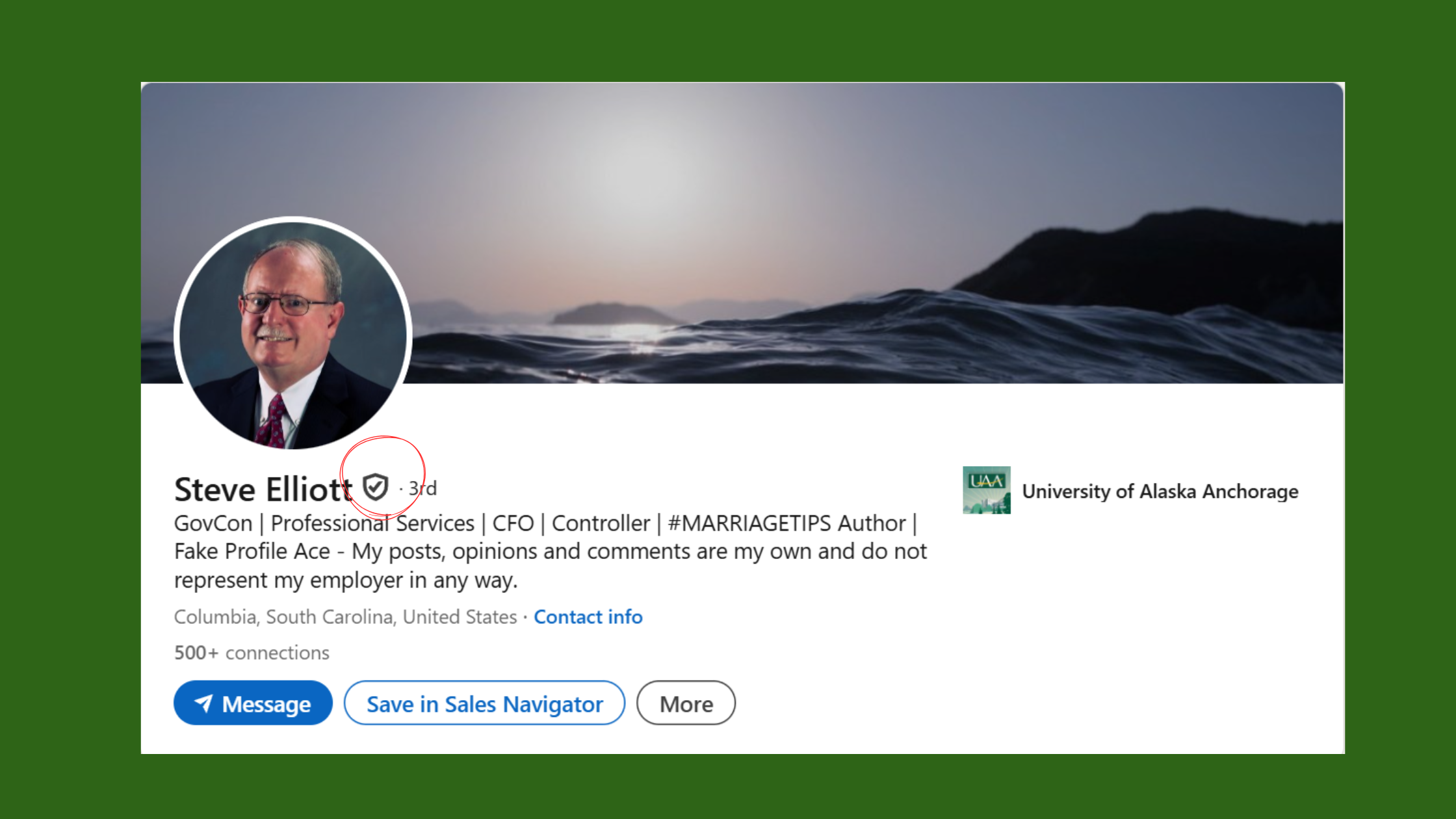
LinkedIn's verified profile feature has become significantly more important in 2026. Verified profiles — where LinkedIn confirms your identity and workplace — get a meaningful boost in both credibility perception and algorithmic reach.
The data is fairly consistent: verified creators see higher comment rates, higher connection acceptance rates, and better distribution on the same quality content compared to unverified accounts. If you haven't completed the verification process yet, make it a priority this week. It takes about 10 minutes and the benefits compound over time.
For brands investing in LinkedIn brand authority, encouraging leadership and key team members to verify their profiles is a simple, zero-cost way to improve overall content performance.
Authentic Engagement Strategies That Beat Artificial Growth Hacks on LinkedIn in 2026
1. Why Artificial Engagement Tactics Are Penalized Under the New Algorithm Rules
Let's call it what it is: engagement pods, comment bots, and follower-buying services are LinkedIn growth hacks that are now actively destroying accounts.
LinkedIn's 2026 algorithm has sophisticated pattern recognition for unnatural engagement. It looks at comment timing, commenter account activity levels, commenter geographic clustering, and engagement-to-impression ratios. If your post gets 40 comments from accounts that have posted twice in the last six months and are all connected to the same few nodes, the system flags it.
The result: suppressed reach, sometimes for weeks. Repeat offenses can result in account restrictions. Beyond the algorithmic punishment, there's a reputational cost — other genuine creators notice these patterns, and it signals that you don't have the real influence you're presenting.
The irony is that artificial engagement actually undermines the real goal. You're training LinkedIn to show your content to the wrong people, which tanks your real engagement rate, which makes everything worse.
2. Effective Organic Strategies to Foster Meaningful Comments and Shares
So if pods are out, what actually works for building genuine LinkedIn audience engagement?
Comment first, post second. Spend 20–30 minutes each morning genuinely engaging with posts from people in your niche before you publish your own content. Not "great post!" — but real, thoughtful responses that add value or a different perspective. When you're active in your community's conversations, your own posts get noticed and engaged with more naturally.
Notify your genuine network. If you publish a post you're proud of, personally message 5–10 real connections who you know would find it valuable. Not a mass blast — specific people, specific reason. "Hey, I just wrote about X, thought of you because of your work in Y." That kind of outreach generates real, high-quality first engagement that kickstarts distribution.
Ask collaborators for genuine input. If you reference someone's work or ideas in a post, tag them thoughtfully and give them a reason to engage. Real commentary from respected voices in your space is the kind of engagement that triggers broader distribution.
Use LinkedIn comments strategically on your own posts. Responding to every comment within the first hour of posting is still one of the most effective ways to signal to the algorithm that your post is generating real conversation. And it builds genuine relationships with your most engaged followers.
3. Utilizing AI Tools Responsibly to Support Authentic Interactions Without Triggering Spam Filters
AI tools are everywhere in 2026, and LinkedIn creators are using them — the question is how.
Used well, AI-driven engagement tools can help you identify optimal posting times, suggest topics based on trending conversations in your niche, draft content for your review, and analyze which of your past posts drove the most meaningful engagement. Platforms like Hyperclapper, for instance, offer LinkedIn analytics that help creators understand engagement patterns, identify their highest-performing content types, and get data-driven recommendations — all while keeping the actual content and interactions authentic and human.
Used poorly, AI tools that auto-comment, auto-engage, or generate content that doesn't reflect your actual voice will get you flagged. LinkedIn's spam filters are better than ever at detecting AI-generated bulk engagement.
The rule of thumb: use AI to inform and assist your strategy, but keep the actual human interaction — the words, the responses, the voice — genuinely yours.
Advanced Strategies to Expand Your Reach and Build Community on LinkedIn in 2026
1. Ways to Share Content Beyond Your Immediate Network by Building Communities
To get your LinkedIn content seen by people beyond your current followers, you need to create connections outside your direct network.
LinkedIn newsletters are one of the most overlooked ways to reach people right now. Every time you publish a newsletter, subscribers get a notification. This gives you direct access to your audience without relying on the feed algorithm. Grow your newsletter by mentioning it regularly in your posts and adding it to your profile’s call-to-action.
LinkedIn collaborative articles and community posts let you connect with people who don’t follow you yet. Sharing real expertise in group discussions or joint content helps you reach new audiences who are interested in what you have to say.
Share your LinkedIn content on other platforms, but don’t spam. If you’re active in emails, newsletters like Substack, or industry groups, let those audiences know when you post something valuable on LinkedIn.
Co-creating content is very effective. Team up with another creator in a related field for a joint post, LinkedIn Live session, or shared newsletter. Both of your audiences see the content, so you both benefit from reaching more people.
2. Using Social Selling Techniques to Build Leads Naturally Through Engaging Posts
Social selling on LinkedIn means building relationships that lead to business opportunities—without making people feel like they’re being sold to.
The main idea: offer so much helpful and honest value in your posts that when someone messages you or fills out a contact form, they already trust you. Your content becomes your sales funnel.
Practically, this means focusing your posts on your audience’s problems instead of just talking about your product. Discuss the challenges your ideal clients face, share ways to solve those problems, and show that you really understand their needs.
Building leads through content works best when you’re consistent, clear, and genuinely helpful. It takes time—weeks or months—but when leads do come through, they’re warm, qualified, and much easier to work with.
Leveraging Professional Networking to Enhance Post Impressions and Conversions
Your LinkedIn network isn't just an audience — it's a distribution channel, a referral system, and a trust multiplier.
Your LinkedIn post formatting affects networking outcomes more than most people realize. Posts that are easy to share — clear takeaways, quotable moments, actionable frameworks — get forwarded in DMs, shared in team Slack channels, and referenced in meetings. This kind of organic amplification is the holy grail, and it starts with writing content that people want to pass on.
Strategic connection-building compounds over time. Every week, connect with 10–20 people who are either your ideal audience, respected peers in your niche, or influential voices you genuinely admire. Personalize the request — reference something specific. Build a network of people who actually know what you're about, and your LinkedIn post reach will grow with it.
Prioritize LinkedIn impressions that come from the right people. A post seen by 5,000 people in your exact niche is more valuable than one seen by 50,000 random accounts. Everything about your strategy should be optimizing for relevance, not raw numbers.
The Real Secret to LinkedIn Growth in 2026: Authentic Expertise + Smart AI Amplification
LinkedIn in 2026 has become one of the most powerful platforms for professional creators, founders, consultants, recruiters, agencies, and B2B brands — not because growth is easier, but because the standard for quality content is finally higher. The LinkedIn algorithm update now rewards expertise, niche authority, meaningful engagement, and genuine professional conversations while aggressively suppressing spammy automation, engagement bait, and low-value viral hacks. This creates a major advantage for creators who consistently share authentic insights, real business experiences, and valuable industry knowledge.
Modern LinkedIn growth is no longer about chasing vanity metrics or gaming the feed. It is about building long-term trust, audience credibility, personal branding, and professional visibility through high-quality LinkedIn content strategy. Successful creators are focusing on zero-click content, thought leadership, founder-led storytelling, short-form video, carousel posts, and community-driven engagement that increases dwell time and meaningful interaction. Consistency, audience relevance, and authentic communication now outperform artificial growth tactics almost every time.
.png)
At the same time, AI-powered tools are becoming essential for scaling visibility in an increasingly competitive feed. Platforms like HyperClapper help creators, SaaS founders, sales professionals, and B2B marketers maximize LinkedIn reach without relying on outdated spam automation. HyperClapper supports LinkedIn content amplification through AI-driven engagement, smart interaction workflows, audience engagement optimization, post momentum acceleration, analytics tracking, and visibility enhancement designed specifically for the modern LinkedIn algorithm. By helping quality content gain stronger early engagement signals, HyperClapper increases the chances of broader organic distribution while still keeping the creator’s authentic voice at the center of the strategy. In 2026, the creators and brands winning on LinkedIn are not the ones trying to manipulate the algorithm — they are the ones combining real expertise with intelligent AI-powered amplification to build authority, trust, and sustainable long-term growth.
FAQs (Frequently Asked Questions)
What are the key changes in the LinkedIn algorithm in 2026 that affect viral posts?
In 2026, LinkedIn's algorithm has evolved to prioritize authentic engagement and penalize artificial growth tactics like engagement pods and comment bots. Understanding these updates is crucial to crafting content that resonates and gains visibility.
Which content formats are most effective for maximizing engagement on LinkedIn in 2026?
Carousel posts (document posts) and short-form videos have emerged as top-performing content formats on LinkedIn in 2026. Leveraging these formats aligns with current user preferences and the platform's algorithm priorities, accelerating audience growth.
How important is niche consistency for building authority on LinkedIn in 2026?
Niche consistency is vital; mixed messaging can dilute your reach and confuse your audience. Focusing on a specific professional domain helps position you as a thought leader, enhancing credibility and fostering deeper connections.
Why should I avoid artificial engagement tactics on LinkedIn in 2026?
Artificial engagement tactics such as engagement pods, comment bots, and spammy practices are penalized under the new algorithm rules. They can reduce your post visibility and damage your professional reputation. Authentic interactions are now rewarded.
How can AI tools be used responsibly to enhance LinkedIn engagement without triggering spam filters?
AI tools should be utilized to support authentic content creation and meaningful interactions rather than automate spammy behaviors. Responsible use includes personalizing messages, generating ideas, and optimizing posting times while maintaining genuine human engagement.
What advanced strategies can help amplify my LinkedIn reach and build a community in 2026?
Beyond immediate networks, building communities through targeted groups and integrating social selling principles helps nurture leads organically. Engaging posts that foster relationships combined with smart AI amplification create sustainable growth on LinkedIn.



